
My grandmother used to raise her hands in dua after every prayer. I remember asking her once, “Why do you always cry when you make dua?” She smiled through her tears and said, “Because I’m talking to اللَّهُ , and He’s listening to every word.”
That moment taught me that dua isn’t just about asking for things it’s about building a relationship with your Creator.
Understanding the Etiquettes of Making Dua in Islam transforms how we communicate with اللَّهُ. It’s not just what we ask for, but how we ask that matters.
The Prophet Muhammad ﷺ taught us specific ways to make our duas more accepted and meaningful.
Let me share everything you need to know about making dua the right way according to Islamic teachings and Sunnah practices in 2026.
What is Dua and Why It Matters
Dua literally means “to call upon” or “to invoke.” It’s your direct line to اللَّهُ no intermediaries, no appointments needed, no formalities required. The Etiquettes of Making Dua in Islam help us use this incredible gift properly.
The Prophet Muhammad ﷺ said:
اَلدُّعَاءُ هُوَ الْعِبَادَةُ
“Dua is worship.”
This simple statement shows how important dua is in Islam. When you raise your hands and call upon اللَّهُ, you’re performing one of the highest forms of worship. اللَّهُ promises to respond to every dua.
The Quran says:
وَإِذَا سَأَلَكَ عِبَادِي عَنِّي فَإِنِّي قَرِيبٌ ۖ أُجِيبُ دَعْوَةَ الدَّاعِ إِذَا دَعَانِ
“And when My servants ask you concerning Me, indeed I am near. I respond to the invocation of the supplicant when he calls upon Me.” (Quran 2:186)
Sometimes اللَّهُ gives us exactly what we ask for. Sometimes He gives us something better. Sometimes He protects us from harm we didn’t know about. And sometimes He saves the reward for the Hereafter. Every dua is answered just not always in the way or timing we expect.
Understanding the Etiquettes of Making Dua in Islam helps us approach اللَّهُ with proper respect, humility, and hope. These etiquettes aren’t restrictions they’re guidelines that increase the chances of our duas being accepted and help us build a stronger connection with اللَّهُ.
Essential Etiquettes Before Making Dua
Begin with Praise and Salutations
Don’t jump straight into asking for what you want. The Etiquettes of Making Dua in Islam teach us to start properly.
Praise اللَّهُ first
Begin by praising اللَّهُ using His beautiful names and attributes. Say “اَلْحَمْدُ لِلّٰهِ” (All praise is for اللَّهُ), “سُبْحَانَ ٱللّٰهِ” (Glory be to اللَّهُ), or use phrases that glorify Him.
Send blessings upon the Prophet ﷺ
Say “اللَّهُمَّ صَلِّ عَلَى مُحَمَّدٍ وَعَلَى آلِ مُحَمَّدٍ” (O اللَّهُ, send blessings upon Muhammad ﷺ and his family). The Prophet ﷺ taught that any dua that begins and ends with salawat (blessings upon him) is more likely to be accepted.
Why this matters
Starting with praise shows gratitude and respect. It reminds you of اللَّهُ greatness and your position as His servant. It puts your requests in proper perspective.
Be in a State of Purity
While you can make dua anytime and anywhere, being in a state of wudhu (ablution) is preferred. The Etiquettes of Making Dua in Islam emphasize cleanliness both physical and spiritual.
Having wudhu isn’t strictly required for dua, but it shows respect and seriousness. Think about it if you were meeting someone important, you’d present yourself properly. How much more should we prepare when speaking to اللَّهُ?
Face the Qibla
When possible, face the direction of the Kaaba in Makkah. This isn’t mandatory for all duas, but it’s from the Sunnah for important supplications. It unifies Muslims worldwide in their direction of worship and shows respect.
Choose the Right Time
Certain times are more likely for dua acceptance:
| Best Times for Dua | Why It’s Special |
|---|---|
| Last third of the night | اللَّهُ descends to the lowest heaven asking “Who is calling upon Me?” |
| Between Adhan and Iqamah | Prophet ﷺ said dua at this time isn’t rejected |
| While prostrating in prayer | The closest a person is to اللَّهُ is during sujood |
| On Fridays (especially last hour before Maghrib) | There’s an hour on Friday when duas are accepted |
| While fasting (especially at iftar) | The fasting person’s dua is accepted |
| During rain | A time of اللَّهُ mercy |
| When traveling | The traveler’s dua is answered |
| When oppressed | The oppressed person’s dua reaches اللَّهُ without barriers |
| For parents making dua for children | A parent’s dua for their child is powerful |
| On the Day of Arafah | The best day of the year for dua |
Understanding these timings as part of the Etiquettes of Making Dua in Islam helps you plan your important supplications strategically.
During the Dua: Proper Manner and Attitude
Raise Your Hands
The Sunnah way is to raise your hands when making dua, with palms facing upward toward the sky. This is a sign of humility and need. You’re essentially saying, “O اللَّهُ, I’m empty handed and in need of Your generosity.”
Different positions for hands:
- Palms up, hands raised to shoulder level: Most common position
- Hands raised higher: For very important duas
- Wiping face after dua: The Prophet ﷺ sometimes did this, though scholars differ on whether it’s necessary
Use اللَّهُ Beautiful Names
اللَّهُ has 99 names mentioned in Islamic texts, each describing His attributes. Using these names in your dua is part of the Etiquettes of Making Dua in Islam.
Examples:
- “يَا رَحْمَانُ يَا رَحِيمُ” (O Most Merciful, O Most Compassionate) when asking for mercy
- ” يَا رَزَّاقُ“ (O Provider) when asking for sustenance
- “يَا شَافِي” (O Healer) when asking for health
- “يَا حَافِظُ” (O Protector) when seeking protection
This shows you know who you’re asking from and understand His attributes.
Speak with Humility and Need
Cry if you can. Show your weakness and need before اللَّهُ. The Etiquettes of Making Dua in Islam include approaching اللَّهُ with complete humility.
The Prophet ﷺ said tears shed in fear of اللَّهُ or while making dua are beloved to اللَّهُ. If you can’t cry, that’s okay but at least feel the emotion in your heart.
Don’t make dua mechanically like reading from a script. Put emotion into it. Imagine you’re begging اللَّهُ for what you truly need because that’s exactly what you’re doing.
Be Specific and Clear
Don’t be vague. If you need a job, ask for a good job. If you want to get married, ask for a righteous spouse. If you’re struggling with something specific, mention it to اللَّهُ.
اللَّهُ knows everything already, but being specific shows you’ve thought about what you need and that you’re sincerely asking for it.
Include Asking for Forgiveness
Always ask اللَّهُ to forgive your sins. Say “أَسْتَغْفِرُ اللهَ” (I seek forgiveness from اللَّهُ). Include “رَبِّ اغْفِرْ لِي” (O Lord, forgive me) in your duas.
This shows humility and acknowledges that we’re sinners in need of اللَّهُ mercy. It’s a key part of the Etiquettes of Making Dua in Islam that often gets overlooked.
Make Dua for Others
Don’t only ask for yourself. Make dua for your parents, family, friends, and all Muslims. The Prophet ﷺ taught that when you make dua for your brother in faith without his knowledge, an angel says “And for you the same.”
Making dua for others shows you’re not selfish and care about the ummah. It’s actually a smart move because the angel’s dua for you is guaranteed sincere!
Avoid Rushing
Don’t make dua once and give up if you don’t see immediate results. The Prophet ﷺ warned against saying “I made dua but it wasn’t answered” and then stopping.
Keep making dua. Repeat your requests. اللَّهُ loves when His servants persistently call upon Him. Your continuous dua itself is worship, and each dua adds to your good deeds even if you don’t see the result you wanted immediately.
What to Avoid When Making Dua
Don’t Ask for Sinful Things
This should be obvious, but it’s worth stating. The Etiquettes of Making Dua in Islam forbid asking اللَّهُ to help you commit sins or harm innocent people.
Don’t ask for:
- Help in doing something haram
- Harm to befall others out of jealousy or spite
- Success in dishonest dealings
- Anything that goes against Islamic teachings
If you’re making such requests, you’re violating the basic purpose of dua, which is to come closer to اللَّهُ and His guidance.
Don’t Rhyme or Be Overly Poetic
Keep it simple and sincere. The Prophet ﷺ warned against making duas very elaborate with rhyming words and complex language just to show off.
Dua is between you and اللَّهُ. It’s not a performance for people to admire. Use your own words, your own language, and speak from your heart.
Don’t Say “If اللَّهُ Wills” in Your Dua
When asking اللَّهُ for something, ask with certainty and conviction. Don’t say “O اللَّهُ, forgive me if You will” or “Give me this if You want.”
The Prophet ﷺ said: “None of you should say, ‘O اللَّهُ, forgive me if You will.’ Rather, he should be firm in his request.”
This doesn’t mean you’re commanding اللَّهُ it means you’re showing complete trust that He can and will answer, even if His answer isn’t what you expected.
Don’t Make Dua While in Sin
If you’re earning haram income, eating haram food, or living in obvious sin, your duas are less likely to be answered. The Prophet ﷺ mentioned someone on a long journey, disheveled, raising his hands saying “O Lord, O Lord,” but his food is haram, his drink is haram, his clothing is haram how can his dua be answered?
Clean up your life as much as possible. Understanding the Etiquettes of Making Dua in Islam includes understanding that our actions affect our duas.
Don’t Cut Family Ties
The Prophet ﷺ said that the dua of someone who has cut ties with relatives is not accepted. If you’re not talking to your parents, siblings, or close family over some dispute, your duas are blocked.
Fix those relationships. Forgive, apologize, reconnect. Your duas depend on it.
After Making Dua: Completing the Process
End with Praise and Salutations
Just as you started with praising اللَّهُ and sending blessings on the Prophet ﷺ, end the same way. This is crucial among the Etiquettes of Making Dua in Islam.
Say “ٱلْحَمْدُ لِلَّهِ رَبِّ ٱلْعَالَمِينَ” (All praise is due to اللَّهُ, Lord of all the worlds) and send salawat on Prophet Muhammad ﷺ again.
Say Ameen
Conclude your dua by saying “Ameen” which means “O اللَّهُ, accept this.” When making group dua, everyone says Ameen together.
Wipe Your Face (Optional)
Some scholars say wiping your face with your hands after dua is Sunnah, while others say it’s not established. Either way is acceptable. The important thing is the sincerity of your dua, not the hand movements afterward.
Have Certainty in اللَّهُ Response
Believe firmly that اللَّهُ heard your dua and will respond in the best way. Don’t doubt. Don’t think “Will اللَّهُ really give me this?”
The Prophet ﷺ said:
ادْعُ اللَّهَ وَأَنْتَ مُوقِنٌ بِالإِجَابَةِ
“Call upon اللَّهُ while being certain of His response.”
This confidence comes from truly knowing اللَّهُ and trusting His wisdom and mercy.
Special Duas from the Quran and Sunnah
The Etiquettes of Making Dua in Islam include using the blessed duas taught by اللَّهُ and His Prophet ﷺ. Here are some powerful ones:
From the Quran
رَبَّنَا آتِنَا فِي الدُّنْيَا حَسَنَةً وَفِي الْآخِرَةِ حَسَنَةً وَقِنَا عَذَابَ النَّارِ
(Our Lord, give us good in this world and good in the Hereafter, and protect us from the punishment of the Fire
Quran 2:201)
رَبِّ اغْفِرْ لِي وَلِوَالِدَيَّ وَلِلْمُؤْمِنِينَ يَوْمَ يَقُومُ الْحِسَابُ
(My Lord, forgive me and my parents and the believers the Day the account is established
Quran 14:41)
From the Sunnah
اللَّهُمَّ إِنِّي أَسْأَلُكَ الْجَنَّةَ وَأَعُوذُ بِكَ مِنَ النَّارِ
(O اللَّهُ, I ask You for Paradise and seek refuge in You from the Fire)
اللَّهُمَّ إِنِّي أَعُوذُ بِكَ مِنَ الْهَمِّ وَالْحَزَن
(O اللَّهُ, I seek refuge in You from worry and grief)
These duas are guaranteed to be good and acceptable since they come directly from revelation and prophetic teaching.
For important decisions in life, Muslims are also encouraged to perform Dua Istikhara, a special supplication taught by the Prophet ﷺ to seek Allah’s guidance. Learn more about Dua Istikhara here to make informed choices with Allah’s blessing.
Common Mistakes People Make
Making dua only when in trouble
We should make dua in good times too. Thank اللَّهُ when things are going well, and your duas in hard times will be answered more readily.
Making dua without effort
If you want a job, make dua but also send out applications. If you want good health, make dua but also exercise and eat well. Dua and effort go together.
Giving up too quickly
Keep making dua even if you don’t see immediate results. Your persistence shows sincerity.
Making dua without changing yourself
If you’re asking اللَّهُ to change your life but you’re not willing to change your habits, that’s problematic. Work on yourself while making dua.
Only making dua in Arabic
While Arabic duas are beautiful and carry special blessings, you can make dua in any language. اللَّهُ understands all languages. Speak to Him in the language of your heart.
Conditions for Dua Acceptance
Understanding the Etiquettes of Making Dua in Islam includes knowing what increases chances of acceptance:
| Condition | Why It Matters |
|---|---|
| Halal income and food | Your sustenance should be lawful |
| Sincerity | Asking only from اللَّهُ, not showing off |
| Focus and presence of heart | Not making dua while distracted |
| Not asking for sin | Staying within Islamic boundaries |
| Maintaining family ties | No broken relationships with relatives |
| Being patient | Not giving up quickly |
| Certainty in اللَّهُ | Believing He will respond |
| Avoiding haram | Living within Islamic guidelines |
Teaching Dua to Children
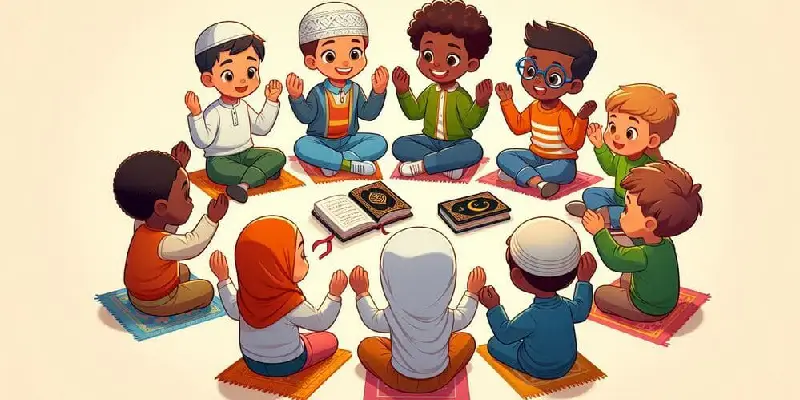
Part of the Etiquettes of Making Dua in Islam is passing this knowledge to the next generation.
Start young
Teach children to make simple duas as soon as they can speak.
Make it natural
Make dua part of daily routine before meals, before sleep, when scared, when happy.
Lead by example
Let children see you making dua regularly.
Explain why
Help them understand they’re talking to اللَّهُ who loves them and listens to them.
Keep it simple
Use easy words and short duas at first.
Make dua for them
Let children hear you making dua for them. It teaches them the format and shows your love.
The Power of Group Dua
While individual dua is powerful, group dua has special blessings:
After prayers
When Muslims gather after fard prayers and make dua together
In gatherings
When believers meet for religious purpose
Family duas
Parents and children making dua together
Traveler’s dua
When traveling togetherel
The Prophet ﷺ said when Muslims gather and remember اللَّهُ, angels surround them. This makes group settings special for dua.
FAQs
What are the most important Etiquettes of Making Dua in Islam?
Start with praising اللَّهُ, send blessings on the Prophet ﷺ, be humble, ask with certainty, make dua at blessed times, and end with praise and salawat.
Can I make dua in my own language or must it be in Arabic?
You can make dua in any language اللَّهُ understands all languages, though learning some Arabic duas from Sunnah is beneficial.
What time is best for making dua?
The last third of the night, while prostrating in prayer, between adhan and iqamah, on Fridays, while fasting, and during rain.
Do I need wudhu to make dua?
Wudhu is not required but highly recommended as it shows respect and follows the Etiquettes of Making Dua in Islam.
How long should I wait for dua to be answered?
There’s no fixed time; keep making dua persistently as اللَّهُ answers in His perfect timing, which is always best for you.
Can I make dua for non-Muslims?
Yes, you can make dua for their guidance, health, or good in this world, but not for forgiveness if they died as non-believers.
Why are some duas not answered immediately?
اللَّهُ answers every dua in one of three ways: gives what you asked, gives something better, saves reward for akhirah, or protects you from harm.
Should I raise my hands when making dua?
Yes, raising hands is from the Sunnah and recommended, though not absolutely required for every dua.
Can I make dua during menstruation?
Yes, women can make dua anytime including during menstruation; only formal salah is restricted during this time.
Why does اللَّهُ answer some people’s duas faster?
اللَّهُ timing is based on His infinite wisdom; the purity of one’s intentions, actions, and adherence to Etiquettes of Making Dua in Islam also matter.
Conclusion
The Etiquettes of Making Dua in Islam aren’t complicated rules they’re beautiful guidelines that help us communicate effectively with our Creator. When you understand and follow these etiquettes, your duas become more meaningful and powerful.
Remember my grandmother’s tearful duas? She understood that dua isn’t just about getting what you want it’s about building your relationship with اللَّهُ, showing your dependence on Him, and growing in faith. The Etiquettes of Making Dua in Islam facilitate this beautiful connection.
Start simple: praise اللَّهُ, send salawat, ask with sincerity and humility, use اللَّهُ beautiful names, and end properly. Don’t let fear of doing it wrong stop you from making dua.
اللَّهُ is merciful and listens even when we’re imperfect. But learning the Etiquettes of Making Dua in Islam shows respect and makes your duas more powerful.
Make dua your constant companion. Talk to اللَّهُ about everything. In 2026 and beyond, as life gets more complex, your connection through dua becomes vital.
Let these timeless teachings strengthen your relationship with اللَّهُ, the Most Merciful, who never tires of giving to those who ask.
Dua is the weapon of the believer when used properly according to the Etiquettes of Making Dua in Islam, it becomes your most powerful tool in this life and the next.