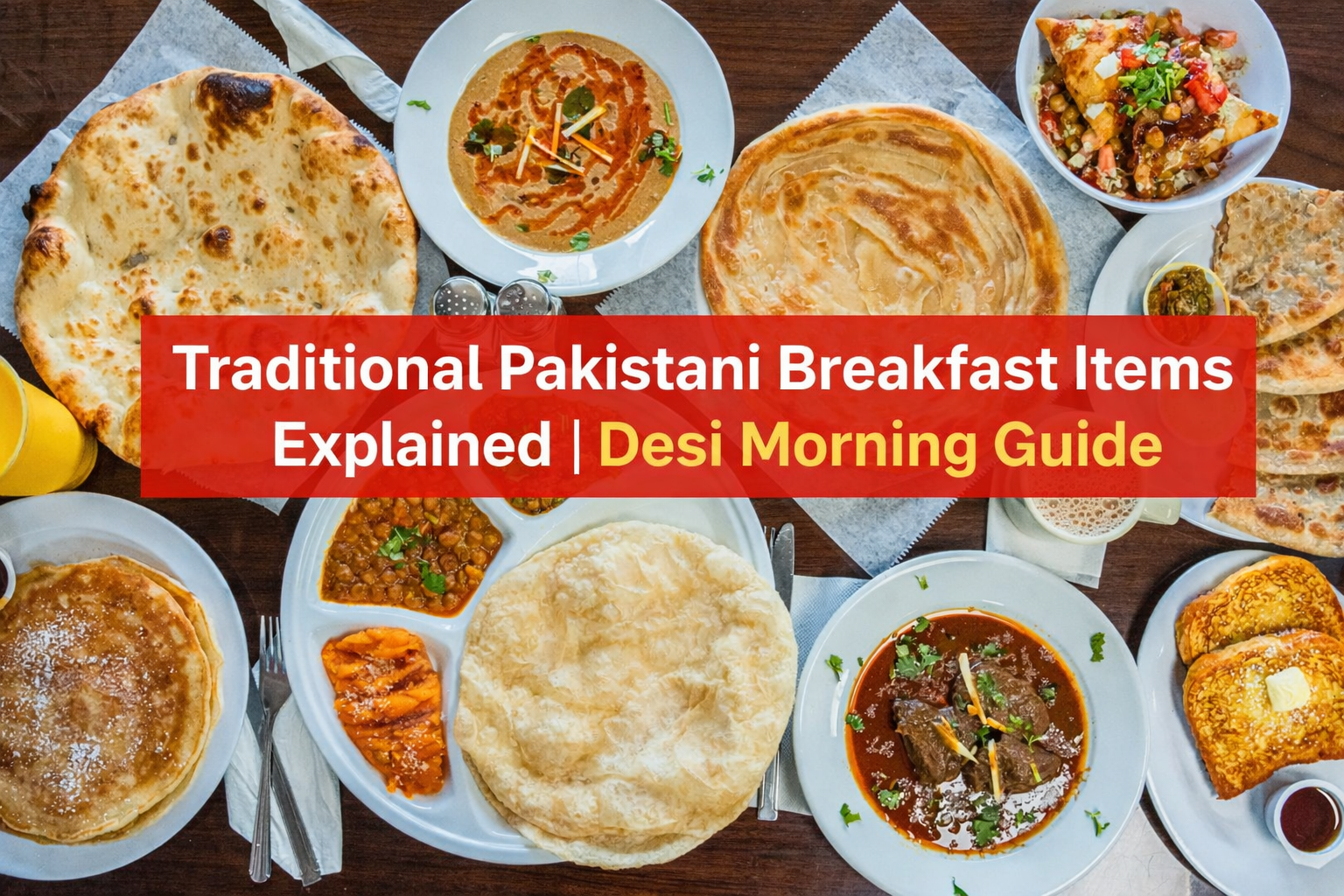

My grandmother used to say that breakfast tells you everything about a household. Walk into any Pakistani home around 8 AM, and the smell will hit you fresh parathas sizzling in ghee, the aroma of chai brewing, maybe halwa puri if it’s Sunday. That’s the magic of desi breakfast.
Let me walk you through Traditional Pakistani Breakfast Items the way my mother taught me with stories, practical tips, and honest talk about what actually happens in Pakistani kitchens every morning. Because honestly, our breakfast culture is way more than just food. It’s family, tradition, and starting your day the right way.
The Essential Traditional Pakistani Breakfast Items
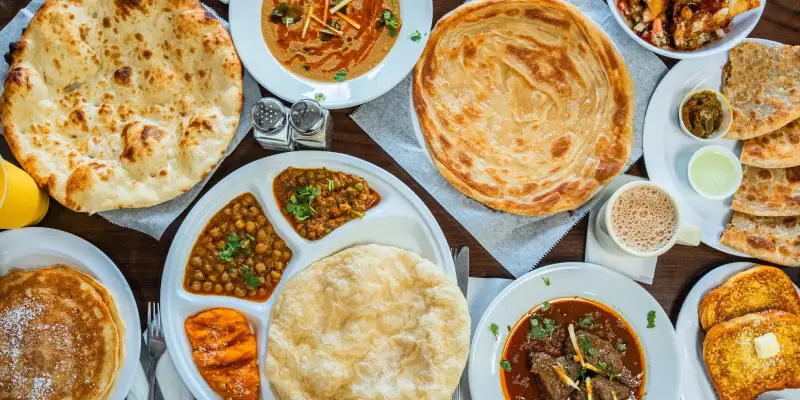
Before we get into recipes and details, here’s what you’ll actually find on most Pakistani breakfast tables. These are the real stars, not fancy fusion stuff nobody actually eats on weekdays.
Quick Reference Guide to Popular Items
| Breakfast Item | Type | Best Served With | Prep Time | Typical Days |
|---|---|---|---|---|
| Paratha | Bread | Chai, Achar, Eggs | 30 mins | Daily |
| Halwa Puri | Special meal | Cholay, Aloo | 1 hour | Weekends |
| Nihari | Heavy curry | Naan, Garnish | 3-4 hours | Sundays |
| Channay | Curry | Puri, Paratha | 45 mins | Weekends |
| Aanda (Eggs) | Protein | Paratha, Roti | 10 mins | Daily |
| Khageena | Egg scramble | Paratha, Roti | 15 mins | Weekdays |
| Paaye | Soup/Curry | Naan, Garnish | 3-4 hours | Sundays |
| Lassi | Drink | Any breakfast | 5 mins | Summers |
These Traditional Pakistani Breakfast Items form the foundation of desi morning meals. Now let’s break down each one properly.
Daily Breakfast Champions
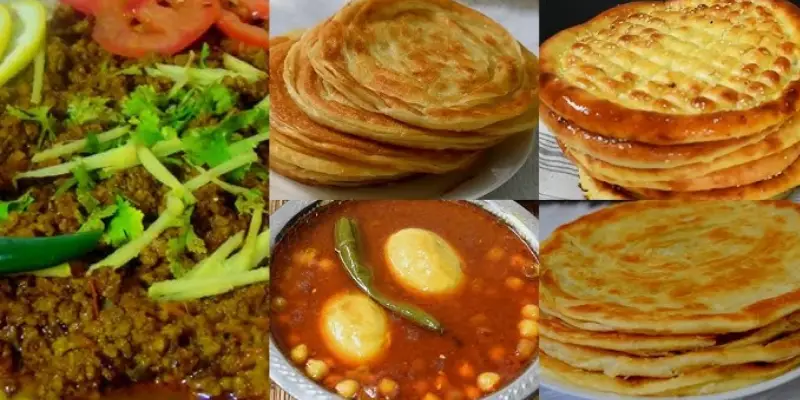
Paratha | The Everyday Hero
If there’s one thing that defines Traditional Pakistani Breakfast Items, it’s paratha. Walk into any home on a Tuesday morning, and someone’s making parathas. They’re our bread, our comfort, our reliable friend.
What makes it special
Layers of flaky dough cooked in ghee or oil until golden and crispy. Some people make them plain, others stuff them with aloo (potato), qeema (minced meat), or mooli (radish).
Why we love it
Parathas are filling, delicious, and work with literally everything. Dip them in chai, eat with eggs, wrap around achar (pickle), or just tear and eat plain. My father used to eat three parathas every morning with nothing but a green chili. That’s how good they are.
The real deal
Making perfect parathas takes practice. The dough needs the right consistency not too soft, not too hard. The layers come from technique – rolling, adding ghee, folding, rolling again. My mother spent years perfecting hers. Now I’m still learning.
Types you’ll find
- Plain paratha: Just dough, ghee, and skill
- Aloo paratha: Stuffed with spiced mashed potatoes
- Qeema paratha: Filled with spiced minced meat
- Mooli paratha: Radish stuffed, slightly spicy
- Lachha paratha: Extra layered, looks fancy
- Egg paratha: Egg mixed into or cooked with paratha
Understanding Traditional Pakistani Breakfast Items means mastering paratha. It’s not optional – it’s fundamental.
Eggs (Aanda) The Protein Staple
Eggs appear on Pakistani breakfast tables in more forms than you’d think. We’re not just talking scrambled or fried we have our own egg culture.
Anda paratha
Egg cooked right into the paratha while it’s on the tawa. The egg fries into the bread, creating this perfect combination where you get protein and carbs in one delicious package.
Omelet desi style
Not your basic omelet. Onions, tomatoes, green chilies, coriander all mixed in. Cooked with generous oil. Served with ketchup and paratha. Some people add qeema for extra heartiness.
Half fry
Simple fried eggs but cooked in enough oil that the edges get crispy and golden. Broken over hot paratha with a sprinkle of salt and red chili powder. Perfection.
Khageena
This deserves its own section but it’s basically spiced scrambled eggs Pakistani style. Way more flavorful than regular scrambled eggs.
Boiled eggs
The quickest option. Boil eggs, peel, quarter them, sprinkle salt and chaat masala, eat with paratha and chai. Done in ten minutes.
Eggs in Traditional Pakistani Breakfast Items provide that protein punch that keeps you going until lunch. Plus they’re affordable and quick to make crucial for busy mornings.
Chai | The Non Negotiable Drink
Pakistani breakfast without chai is like a car without wheels. It just doesn’t work. Our chai isn’t your delicate green tea or those fancy herbal infusions. It’s strong, milky, sweet (usually), and absolutely essential.
How we make it
Black tea leaves boiled with water, milk added, sugar mixed in, boiled together until it’s the perfect brown color. Some people add elaichi (cardamom) or ginger for extra flavor.
Why it matters
Chai wakes you up, helps digest heavy breakfast, and gives you that moment of peace before the day starts. Plus, dipping paratha in chai is a whole experience. Don’t knock it until you’ve tried it.
The culture
Making chai isn’t just cooking it’s art. Every household has their method. Too much boiling makes it bitter. Too little makes it weak. The milk to water ratio matters. The sugar amount is personal. My mother could tell if someone else made the chai just by tasting it.
No discussion of Traditional Pakistani Breakfast Items is complete without acknowledging chai’s role. It’s the thread that ties everything together.
Weekend Special Breakfasts
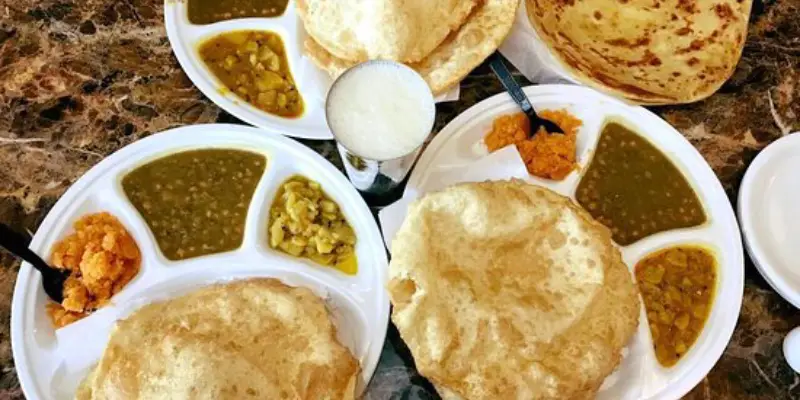
Halwa Puri | The Sunday Celebration
If paratha is the everyday hero, halwa puri is the special guest. Most families make this on weekends, especially Sundays. It’s not quick, it’s not light, but it’s absolutely worth it.
What it includes
- Puri: Deep fried bread that puffs up like a balloon. Crispy, golden, and should be eaten fresh
- Halwa: Sweet semolina pudding cooked with ghee, sugar, and food coloring (usually orange)
- Cholay: Spiced chickpeas cooked in a tangy gravy
- Aloo bhaji: Spiced potatoes, sometimes with tomatoes
The experience
You tear the puri, dip it in halwa for sweetness, then in cholay for spice. The combination sounds weird but works perfectly. Some people eat halwa first as dessert, others mix everything together.
Why weekends
Making halwa puri takes time and effort. The puris need to be fried fresh. The halwa requires constant stirring. The cholay need slow cooking for the right flavor. It’s a labor of love that families do together.
Halwa puri represents Traditional Pakistani Breakfast Items at their festive best. It’s not daily food it’s celebration food that happens to be breakfast.
Nihari | The Ultimate Sunday Indulgence
Nihari is serious business. This isn’t breakfast it’s an experience. Slow-cooked meat curry that’s been simmering since the night before, served with naan, garnished with ginger, green chilies, lemon, and coriander.
The traditional way
Start cooking Saturday night. Beef or mutton with bones, slow-cooked with special spices until the meat falls apart and the curry becomes thick and rich. The longer it cooks, the better it tastes.
How to eat it
Tear pieces of naan, dip in the curry, add garnish to taste. The combination of tender meat, rich gravy, and fresh garnish is incredible. Some people add a squeeze of lemon for tang.
When and why
Traditionally eaten on Sundays, especially during winter. It’s heavy, warming, and meant to be enjoyed slowly. Families sit together, eat at a leisurely pace, and savor every bite.
The reality
Most people don’t make nihari at home regularly. It’s special occasion food or you buy it from a trusted restaurant. But when it appears on the table, you know it’s a good day.
Nihari shows how Traditional Pakistani Breakfast Items can be elaborate celebrations, not just quick morning meals.
Paaye | The Acquired Taste
Paaye (goat or cow trotters) divides people. You either love it or you don’t understand the appeal. There’s rarely middle ground.
What it is
Trotters slow-cooked until tender, creating a rich, gelatinous soup. Served with naan, garnished similarly to nihari ginger, chilies, lemon, coriander.
Why people love it
The flavor is deep and unique. The texture is interesting. It’s considered healthy for joints (though that’s debatable). And there’s something about eating a traditional food that connects you to culture.
The practical side
Like nihari, paaye need hours of cooking. Most people buy them from specialty restaurants rather than making at home. They’re Sunday breakfast food, usually eaten when someone’s craving them specifically.
Paaye represent the more adventurous side of Traditional Pakistani Breakfast Items, showing our cuisine’s diversity and depth.
Regional Breakfast Variations
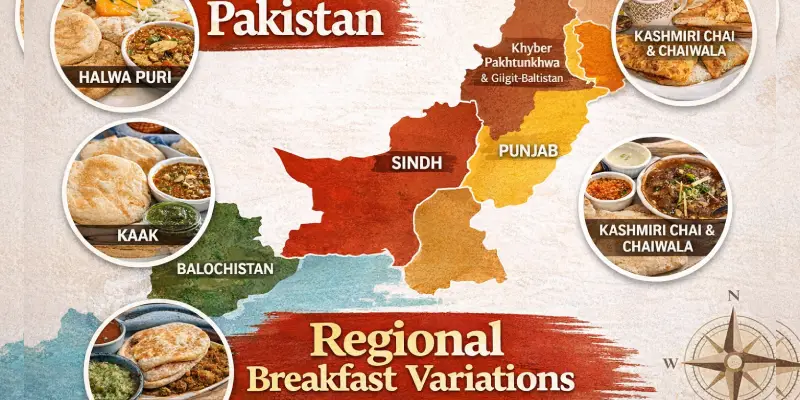
Pakistan’s four provinces each add their own flavors to breakfast culture. Understanding Traditional Pakistani Breakfast Items means recognizing these regional differences.
Punjabi Breakfast Style
Punjab loves its parathas and puris. Breakfast here is hearty and rich. Lots of ghee, generous portions, and emphasis on flavor.
Signature items
- Aloo paratha with white butter
- Lassi (yogurt drink) in summers
- Sarson ka saag with makki ki roti (winter breakfast)
- Puri cholay combination
The vibe
Big meals meant to fuel you for the day. No one’s counting calories at Punjabi breakfast tables.
Sindhi Breakfast Traditions
Sindhi breakfast often features unique items you won’t find elsewhere. The flavors are distinct, often spicier than Punjabi food.
Signature items
- Koki (thick, crispy flatbread with onions)
- Khato (sour curry with meat)
- Dal pakwan (crispy bread with lentils)
The approach
More emphasis on spice and tang. Breakfast is flavorful and distinctive.
Pashtun/KPK Breakfast Culture
Breakfast in Khyber Pakhtunkhwa is simpler but no less satisfying. Less elaborate preparation, more focus on fresh, quality ingredients.
Signature items
- Fresh naan with local butter
- Fried eggs with tomatoes
- Qahwa (green tea with cardamom)
- Rabri (thick milk dessert, sometimes for breakfast)
The style
Simple, clean flavors. Quality over complexity. Fresh ingredients prepared well.
Balochi Breakfast Approach
Baloch cuisine emphasizes meat and simpler preparations. Breakfast reflects this preference.
Signature items
- Sajji leftovers from dinner
- Kaak (local bread)
- Kishk (yogurt based dish)
These regional variations show how Traditional Pakistani Breakfast Items adapt to local tastes, ingredients, and traditions while maintaining core similarities.
Quick Weekday Options
Not every morning allows time for elaborate meals. Here are the Traditional Pakistani Breakfast Items that work for busy weekdays.
The 10 Minute Breakfast
Bread and eggs
Commercial bread (double roti) fried in butter with eggs. Add ketchup, salt, pepper. Grab and go.
Paratha and chai
Pre made frozen parathas heated on tawa. Cup of chai. Simple, fast, traditional enough.
Cereal Pakistani style
Cornflakes with warm milk, some people add sugar and elaichi. Getting common in urban households.
Toast and omelet
Western influence but common now. Especially in cities where mornings are rushed.
The 20 Minute Breakfast
Fresh paratha
If you’re quick and practiced, one or two fresh parathas with tea works.
Khageena and roti
Scrambled eggs Pakistani style with leftover roti from dinner.
Instant noodles
Not traditional but incredibly common now, especially with students and working people.
Make Ahead Options
Freeze parathas
Make batch on weekend, freeze, heat as needed during week.
Pre-cook filling
Keep aloo filling ready. Make stuffed parathas quickly in morning.
Boiled eggs
Boil eggs night before. Reheat quickly in morning.
Modern life has changed how we approach Traditional Pakistani Breakfast Items, but the flavors and combinations remain rooted in tradition.
The Sweet Side of Breakfast
Halwa | More Than Sunday Treat
We’ve mentioned halwa with puri, but different halwa types appear at Pakistani breakfast tables.
Sooji halwa: Semolina based, the classic orange halwa served with puri.
Gajar halwa: Carrot halwa, more of a dessert but some families eat it for breakfast in winter.
Aate ka halwa: Wheat flour halwa, denser and richer than sooji version.
How it’s eaten: Usually with puri or paratha. Some people eat it first as a sweet start, others save it for last as dessert.
Sweet Vermicelli (Meethi Seviyan)
Vermicelli cooked in milk with sugar, dry fruits, and cardamom. Common during Eid but some families make it for special breakfast occasions.
Served: With a side of paratha or sometimes alone as a complete sweet breakfast.
The appeal: Sweet, comforting, festive. Makes regular mornings feel special.
Beverages Beyond Chai
Lassi | The Summer Essential
Yogurt blended with water, salt (namkeen lassi) or sugar (meethi lassi). Some people add fruit, others keep it simple.
Why summer
Lassi cools you down. In Pakistan’s hot summers, a cold lassi with paratha and eggs is perfect. Hydrating and filling without being too heavy.
Regional variations
Punjabi lassi is thick and topped with malai (cream). Sindhi lassi might be thinner. Every region has their preferred consistency.
Doodh (Milk)
Simple glass of milk, sometimes with a spoonful of rooh afza (rose syrup) or other syrups. Common for children’s breakfast.
Nutritious and quick
Parents love it because it’s healthy. Kids tolerate it because of the added flavor.
Qahwa
Green tea with cardamom, popular in Pashtun culture. Some people drink it instead of regular chai.
The difference
Lighter than chai, different flavor profile. Considered good for digestion.
These drinks complement Traditional Pakistani Breakfast Items, adding hydration and variety to morning meals.
Side Dishes and Accompaniments
No Pakistani breakfast is complete without these additions:
Achar (Pickle)
Mango pickle, mixed vegetable pickle, chili pickle every household has their jar of achar. A spoonful adds kick to paratha and eggs.
Why it matters
That tangy, spicy punch wakes up your taste buds. Breakfast without achar feels incomplete to many Pakistanis.
Fresh Vegetables
Sliced cucumbers, tomatoes, onions, green chilies simple, fresh, crunchy. Provides balance to heavy items.
Yogurt (Dahi)
Plain yogurt on the side cools down spicy food and aids digestion. Some people mix it with salt and cumin (zeera).
Butter/White Butter
Fresh butter (desi makkhan) or white butter with parathas is pure indulgence. Not healthy, but delicious.
These accompaniments make Traditional Pakistani Breakfast Items complete, adding layers of flavor and texture to every meal.
Breakfast Etiquette and Culture
Understanding Traditional Pakistani Breakfast Items isn’t just about food it’s about the culture surrounding it.
Eating Together
Pakistani breakfast is ideally eaten together. Family sits around the table (or on the floor with a dastarkhan), shares food, talks about the day ahead.
The reality
Modern life makes this harder. Weekday mornings are rushed. But weekends still maintain this tradition in many households.
Hospitality Rules
Guest at breakfast time? You feed them. No discussion. Even unexpected visitors get offered chai at minimum, full breakfast if possible.
The generous approach
Make extra, always. Someone might drop by. Better to have too much than too little.
Respecting Food
Wasting food is frowned upon. Take what you’ll eat. Finish what you take. Leftovers get repurposed yesterday’s paratha becomes today’s paratha roll.
Health Considerations
Let’s be honest: Traditional Pakistani Breakfast Items aren’t always the healthiest. Ghee, oil, fried food, sugar it’s all there.
The Traditional View
Our grandparents ate this food daily and lived fine. Hard physical work burned the calories. Fresh, home cooked ingredients made a difference.
Modern Reality
Sedentary lifestyles mean traditional breakfast might be too heavy for everyday. Office workers don’t need the same calories as farmers.
Finding Balance
Healthier approaches
- Use less oil/ghee in cooking
- Add more vegetables
- Choose boiled eggs over fried
- Drink less sweet chai
- Portion control on heavy items like halwa puri
- Save elaborate breakfasts for weekends
The key
Don’t abandon tradition entirely. Adapt it to your lifestyle. Make smart choices without losing the essence of what makes Pakistani breakfast special.
Cost Effective Breakfast Planning
| Breakfast Type | Approximate Cost (Family of 4) | Frequency |
|---|---|---|
| Simple Paratha + Chai + Eggs | 150-250 PKR | Daily |
| Halwa Puri with Cholay | 400-600 PKR | Weekly |
| Nihari with Naan | 800-1200 PKR | Monthly |
| Bread + Eggs + Tea | 100-150 PKR | Daily |
| Paaye with Naan | 600-900 PKR | Monthly |
Budget tips
- Make parathas at home (cheaper than buying)
- Buy ingredients in bulk
- Use seasonal vegetables
- Eggs are affordable protein
- Halwa puri once weekly instead of dining out
Traditional Pakistani Breakfast Items can fit various budgets with smart planning.
Modern Adaptations
Pakistani breakfast is evolving. Urban households blend tradition with convenience.
Common Modern Changes
Frozen parathas
Ready made, just heat and eat. Not as good as fresh but practical.
Store bought puri
Some shops sell fresh puri in morning. You buy, make halwa at home.
Quick breakfast mixes
Instant halwa, ready to eat options appearing in markets.
Western additions
Cereal, toast, jam entering Pakistani breakfast tables, especially in cities.
The balance
Most families mix traditional and modern. Paratha some days, cereal others. Halwa puri on Sunday, quick toast on Monday.
Final Thoughts
Traditional Pakistani Breakfast Items represent more than food they’re family memories, the smell of fresh parathas, that first sip of chai that makes everything better.
Modern life makes elaborate breakfasts harder, and that’s okay. The beauty of Traditional Pakistani Breakfast Items is their flexibility. Adapt them to your lifestyle while keeping the essence alive. Make fresh chai one morning. Try paratha on the weekend. Share breakfast with family when possible.
Whether you’re having a full spread or just chai and toast tomorrow, you’re part of a rich breakfast tradition spanning generations. And that’s worth savoring.
Good food, good company, strong chai that’s the Pakistani way to start any day.
FAQs
Q1: What is the most common Traditional Pakistani Breakfast Item?
Paratha with chai is the most common, eaten daily in most Pakistani households across all regions.
Q2: Is Pakistani breakfast healthy?
Traditional Pakistani Breakfast Items can be heavy and oil-rich, but using less oil and adding vegetables makes them healthier.
Q3: What do Pakistani kids eat for breakfast?
Kids typically eat paratha with eggs, cereal with milk, or bread with butter and jam, depending on family preference.
Q4: How long does it take to prepare traditional breakfast?
Simple breakfast takes 20-30 minutes; elaborate meals like halwa puri need 1-2 hours preparation time.
Q5: What’s the difference between halwa puri and nihari?
Halwa puri is sweet and savory combination with fried bread; nihari is slow-cooked meat curry, both are special occasion breakfasts.
Q6: Can vegetarians enjoy Traditional Pakistani Breakfast Items?
Yes, many options are vegetarian: parathas, halwa puri, cholay, eggs (if you eat them), and various vegetable preparations.
Q7: What makes Pakistani breakfast different from Indian breakfast?
While similar, Traditional Pakistani Breakfast Items emphasize meat more (nihari, paaye), and have regional flavors unique to Pakistan.
Q8: Is chai essential with Pakistani breakfast?
For most Pakistanis, yes chai is considered the soul of breakfast and pairs perfectly with almost every item.
Q9: Can I make Traditional Pakistani Breakfast Items ahead of time?
Yes, freeze parathas, pre cook fillings, make halwa base earlier many items prep well in advance.
Q10: Why is Pakistani breakfast so filling?
Traditional Pakistani Breakfast Items were designed for people doing physical labor, hence the high calorie and satisfying nature.