

Eid ul Adha, also known as the “Festival of Sacrifice,” is one of the most significant holidays in the Islamic calendar. It commemorates the willingness of Prophet Ibrahim (Abraham) to sacrifice his son as an act of obedience to God.
This article will delve into the expected dates for Eid ul Adha in 2026, the logic behind determining these dates, and the various traditions associated with the festival.
When is Eid ul Adha?
Eid ul Adha is celebrated on the 10th day of Dhul-Hijjah, the last month of the Islamic lunar calendar. The exact date depends on the sighting of the moon, which marks the beginning of Dhul-Hijjah.
For 2026, Eid ul Adha is expected to fall on
May 26, 2026
In countries that rely on astronomical calculations. Countries like Saudi Arabia, the United Arab Emirates, and several Gulf nations typically announce their dates based on scientific predictions. This approach allows for advance planning and coordination across different regions.
May 27, 2026
In countries that depend on the actual moon sighting, such as Pakistan, India, Bangladesh, and parts of North Africa. These countries maintain the traditional method of physically observing the new moon, which sometimes results in dates differing by one day from those determined through calculations.
The difference in dates reflects the diversity in Islamic practices worldwide, with both methods being accepted and respected within the Muslim community.
Logic Behind the Date Determination
The Islamic calendar, also known as the Hijri or lunar calendar, is based on the moon’s phases. Each month starts with the sighting of the new moon, making the calendar about 10-12 days shorter than the Gregorian calendar. This means Islamic holidays shift earlier each year when compared to the solar calendar.
Moon Sighting
The sighting of the new moon is essential in determining the start of each month. Islamic scholars and authorities in different countries observe the moon to declare the beginning of Dhul-Hijjah. This practice can lead to slight variations in the date of Eid ul Adha across different countries.
The traditional method involves trained observers scanning the horizon shortly after sunset on the 29th day of the previous Islamic month. If the crescent moon is visible, the new month begins the following day. If not, the current month completes 30 days.
Moon sighting committees exist in most Muslim countries, comprising religious scholars, astronomers, and government officials. These committees receive reports from multiple locations. The sighting must be confirmed by reliable witnesses who meet specific criteria of trustworthiness.
Weather conditions, geographical location, and the moon’s position relative to the sun all affect visibility. Countries closer to the equator often have better viewing conditions. The reliance on actual moon sighting connects Muslims to their heritage and the practices of Prophet Muhammad (peace be upon him).
Astronomical Calculations
In some countries, like Saudi Arabia, astronomical calculations are also used to predict the moon’s visibility. These calculations provide a more consistent way to determine Islamic dates in advance, though they are sometimes adjusted based on actual moon sightings.
Modern astronomical science can predict the moon’s position with remarkable accuracy. Scientists use complex calculations involving the moon’s orbit, the earth’s rotation, and the sun’s position to determine when the crescent moon should be visible from any location on Earth.
The advantage of astronomical calculations is that they allow for advance planning. Governments can announce holiday schedules months ahead, helping businesses, schools, and individuals organize their activities.
Key Dates in Dhul-Hijjah 2026
May 16, 2026
Expected start of Dhul-Hijjah, subject to moon sighting. This date marks the beginning of the most sacred month in the Islamic calendar, when Muslims worldwide increase their acts of worship and charity.
May 25, 2026
Day of Arafat, observed by Hajj pilgrims. This is considered the most important day of the Islamic year. Pilgrims performing Hajj spend the day on the plains of Arafat in prayer. Muslims not performing Hajj are encouraged to fast on this day.
May 26-27, 2026
Eid ul Adha, depending on moon sighting. The celebration begins after Fajr prayer and continues for three days. The first day is the main celebration when the Eid prayer is performed and animals are sacrificed.
The first ten days of Dhul-Hijjah are considered among the most sacred days in Islam, with good deeds performed during these days being especially beloved to Allah.
Eid ul Adha 2026 in Pakistan

Eid ul Adha is a public holiday in Pakistan, with celebrations lasting for three days. It is marked by several key activities that bring communities together and strengthen bonds of faith and brotherhood.
In Pakistan, the celebration is deeply rooted in cultural traditions passed down through generations. Pakistani cities transform during Eid ul Adha. Markets become bustling as families shop for new clothes, purchase animals for sacrifice, and prepare homes for guests.
Government offices, schools, and most businesses close for the three day holiday period. Major cities experience significant population shifts as urban residents return to their ancestral villages to celebrate with extended family.
Significance of Sacrifice in Eid ul Adha
The sacrifice performed during Eid ul Adha commemorates the profound test of faith faced by Prophet Ibrahim (Abraham). According to Islamic tradition, Allah commanded Ibrahim in a dream to sacrifice his beloved son. Both father and son submitted to God’s will, demonstrating complete obedience.
As Ibrahim prepared to carry out the sacrifice, Allah intervened and provided a ram instead, acknowledging Ibrahim’s willingness to sacrifice his most precious possession for God. This act established Ibrahim as a model of faith for all believers.
The ritual sacrifice is not merely about the physical act. It carries deep spiritual symbolism representing the willingness to sacrifice our desires and material attachments in submission to Allah’s will.
The meat distribution ensures that even those who cannot afford meat regularly can enjoy it, reinforcing Islamic principles of social justice.
Sacrifice (Qurbani)
Families across Pakistan purchase animals such as goats, sheep, cows, and camels to sacrifice. The selection is important, with families choosing healthy animals that meet Islamic requirements.
The meat is divided into three parts: one third for the family, one-third for relatives and friends, and one-third for the less fortunate. This distribution ensures that the blessings reach all segments of society.
The sacrifice typically occurs after the Eid prayer on the first day, though it can be performed over the next two or three days. Many families perform the sacrifice themselves or have it done by professional butchers.
In recent years, charitable organizations facilitate sacrifices on behalf of donors and distribute the meat to deserving families across the country. The economic impact is substantial, with the livestock industry experiencing its peak season.
Prayers
Muslims gather in large numbers for the Eid prayer, held in open fields, mosques, or Eidgahs. The prayer is performed shortly after sunrise, bringing together Muslims from all walks of life in a display of unity and faith.
The Eid prayer consists of two units with additional takbirs. The congregation stands shoulder to shoulder, symbolizing equality before God regardless of social status or wealth.
After the prayer, the imam delivers a sermon highlighting the significance of sacrifice, obedience to Allah, and helping those in need. The sermon includes reminders about Prophet Ibrahim’s exemplary faith.
In major Pakistani cities, large areas are specially prepared to accommodate massive crowds. Following the prayer, people exchange Eid greetings and embrace one another.
Festivities
Eid ul Adha is a time for family reunions and communal feasts. Traditional dishes like biryani, kebabs, korma, and nihari are prepared using the freshly sacrificed meat. Pakistani cuisine shines during Eid.
Sweet dishes like sheer khurma, kheer, and gulab jamun are prepared and shared. People dress in new or their finest clothes, with children receiving new outfits and money (Eidi) from elders.
Visiting relatives, friends, and neighbors is an important tradition. Families open their homes throughout the three day celebration, serving meals and refreshments to all who visit. This strengthens social bonds and creates opportunities for reconciliation.
Eid ul Adha and Hajj

Eid ul Adha coincides with the culmination of the Hajj pilgrimage, one of the five pillars of Islam. Hajj takes place from the 8th to the 12th of Dhul-Hijjah in Mecca, Saudi Arabia. The festival’s significance is deeply connected to the rituals performed during Hajj.
The connection between Eid ul Adha and Hajj is profound. While millions perform Hajj in Mecca, Muslims worldwide participate spiritually by performing the sacrifice and engaging in increased worship.
Hajj is one of the largest annual gatherings, with approximately 2-3 million Muslims from over 180 countries converging on Mecca. The pilgrimage represents Islamic brotherhood, as people from diverse cultures come together in identical simple white clothing.
Hajj 2026
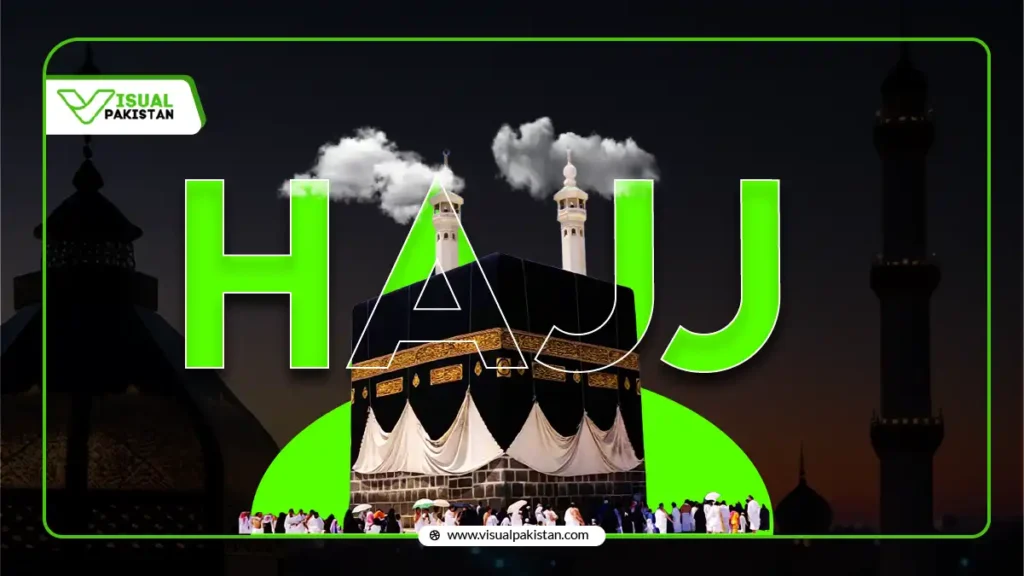
In 2026, Hajj will be observed from May 24-29. Pilgrims will engage in various rites, including Tawaf (circumambulating the Kaaba), Sa’i (walking between the hills of Safa and Marwah), and standing on the plains of Arafat. The ritual sacrifice is performed on Eid ul Adha.
The Hajj journey begins with pilgrims entering ihram, wearing simple white garments. This uniform dress emphasizes equality before God.
Major rituals include Tawaf, where pilgrims circle the Kaaba seven times. During Sa’i, pilgrims walk seven times between Safa and Marwah, commemorating Hagar’s search for water.
On the 9th of Dhul-Hijjah, pilgrims gather on the plains of Arafat from noon until sunset in prayer. This is considered the most important part of Hajj. Pilgrims also perform the stoning of the Jamarat, symbolizing rejection of evil.
Islamic Calendar and Key Dates
The Islamic calendar is purely lunar, with months consisting of 29 or 30 days. This makes the Islamic year approximately 354-355 days long, about 10-11 days shorter than the Gregorian calendar. Islamic dates move backward through the seasons over a 33-year cycle.
This lunar system has been used since Prophet Muhammad’s time and was officially established during Umar ibn al-Khattab’s caliphate. The calendar begins from the year of Hijra when Prophet Muhammad moved from Mecca to Medina in 622 CE.
Key Islamic dates in 2026 include:
Ramadan
Expected to start around February 18, 2026. Ramadan is the holiest month for Muslims. During this month, Muslims fast from dawn to sunset and engage in increased prayer and Quran recitation.
Eid ul Fitr
Expected to be on March 20, 2026. This festival marks the end of Ramadan and is celebrated with prayers, feasting, and charitable giving.
Dhul-Hijjah
Expected to start on May 16, 2026. The twelfth and final month of the Islamic calendar, during which Hajj is performed and Eid ul Adha is celebrated.
Eid ul Adha Holidays

In Pakistan, Eid ul Adha is observed with public holidays to allow families to celebrate together. Typically, a three-day holiday is announced, providing time for communal prayers, sacrifices, and festive gatherings.
The announcement is made officially by the government several weeks in advance, though exact dates remain subject to moon sighting confirmation. Schools, colleges, universities, and government offices close for the entire period.
The three day structure serves multiple purposes. The first day is dedicated to Eid prayers, sacrificing animals, and initial family gatherings. The second and third days allow for extended visits and continued celebrations.
Pakistan’s major cities experience significant changes during Eid holidays. Traffic patterns shift as millions travel between cities. Railway stations, bus terminals, and airports operate at maximum capacity.
Conclusion
Eid ul Adha 2026 is anticipated to be a joyous occasion marked by spiritual reflection, communal prayers, and acts of charity. Understanding the Islamic calendar and the significance of the festival enhances appreciation of this important celebration.
As the date approaches, Muslims worldwide prepare to observe this festival with reverence and joy, maintaining traditions passed down through generations.
The festival serves as a powerful reminder of sacrifice, obedience to God, and care for the less fortunate. It brings together families and communities, creating a shared experience of faith and celebration.
For Muslims in Pakistan and worldwide, Eid ul Adha represents not just a religious obligation but a cherished tradition that strengthens faith, reinforces family bonds, and promotes social cohesion.
FAQs
When is Eid ul Adha 2026 in Pakistan?
Eid ul Adha 2026 in Pakistan is expected to be on May 27, 2026, subject to moon sighting. The exact date will be confirmed by the Ruet-e-Hilal Committee after observing the moon.
Why does Eid ul Adha date change every year?
Eid ul Adha follows the Islamic lunar calendar, which is 10-11 days shorter than the solar calendar. This causes the date to shift earlier each year in the Gregorian calendar.
What is the significance of sacrifice in Eid ul Adha?
The sacrifice commemorates Prophet Ibrahim’s willingness to sacrifice his son in obedience to Allah. It symbolizes submission to God and sharing blessings with family and those in need.
How long are Eid ul Adha holidays in Pakistan?
Pakistan typically observes three public holidays for Eid ul Adha, allowing families to perform prayers, sacrifice animals, and celebrate together with relatives and friends.
What is the Day of Arafat?
The Day of Arafat falls on the 9th of Dhul-Hijjah, when Hajj pilgrims gather on the plains of Arafat. Muslims not performing Hajj are encouraged to fast on this day for spiritual rewards.
Can you perform Qurbani on all three days of Eid?
Yes, the sacrifice can be performed on the 10th, 11th, or 12th of Dhul-Hijjah (the three days of Eid), though the first day immediately after Eid prayer is preferred.
What animals can be sacrificed for Qurbani?
Acceptable animals include goats, sheep, cows, buffalo, and camels. The animals must meet specific age and health requirements as outlined in Islamic guidelines.
How is Eid ul Adha connected to Hajj?
Eid ul Adha coincides with the culmination of Hajj. The sacrifice performed worldwide mirrors the sacrifice performed by Hajj pilgrims on the same day in Mina, near Mecca.
For more informative blogs must visit Visual Pakistan.