

My friend Sara visited Lahore for the first time last summer. She called me after her second day, voice full of excitement. “I had no idea Lahore was this beautiful! I’ve spent two days just exploring old buildings and I’m not even halfway through my list.
” That’s Lahore for you a city where history lives and breathes on every corner.
Lahore isn’t just Pakistan’s cultural capital. It’s a living museum where Mughal emperors, Sikh rulers, and British colonizers all left their mark. The Historical Places in Lahore tell stories spanning centuries, and visiting them is like walking through Pakistan’s rich past.
Let me take you through the top 10 places you absolutely must visit when you’re in Lahore in 2026. These aren’t just tourist spots they’re pieces of history you can actually touch and experience.
Quick Reference Guide | Must Visit Historical Sites
| Place | Era | Entry Fee | Best Time to Visit | Time Needed |
|---|---|---|---|---|
| Badshahi Mosque | Mughal (1673) | Free | Early morning/evening | 1-2 hours |
| Lahore Fort | Mughal (11th century) | PKR 500 | Morning | 2-3 hours |
| Shalimar Gardens | Mughal (1641) | PKR 300 | Spring/autumn | 1-2 hours |
| Wazir Khan Mosque | Mughal (1634) | Free | Morning | 1 hour |
| Jahangir’s Tomb | Mughal (1637) | PKR 200 | Morning | 1-2 hours |
| Minar-e-Pakistan | Modern (1968) | PKR 100 | Evening | 30 mins – 1 hour |
| Lahore Museum | British (1894) | PKR 300 | Anytime | 2-3 hours |
| Anarkali Bazaar | Mughal era | Free | Late afternoon | 2-3 hours |
| Kim’s Gun (Zamzama) | Mughal (1757) | Free | Anytime | 15 mins |
| Tomb of Allama Iqbal | Modern (1951) | Free | Morning/evening | 30 mins |
These Historical Places in Lahore offer different experiences, from architectural marvels to cultural immersion. Now let’s explore each one in detail.
1. Badshahi Mosque | The Crown Jewel
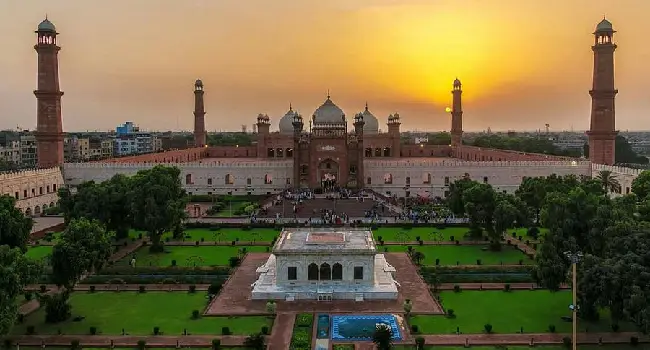
If you visit only one place in Lahore, make it Badshahi Mosque. Built by Emperor Aurangzeb in 1673, this massive red sandstone mosque is one of the largest in the world.
Walking through the massive gateway, you enter a courtyard that can hold 100,000 worshippers. The sheer scale hits you immediately. The four minarets stand 196 feet tall, visible from across the city.
The main prayer hall features beautiful frescoes and marble work that survived centuries. What makes Badshahi special among Historical Places in Lahore is how it’s still a working mosque.
You’re not just looking at history you’re experiencing it alongside people who pray here daily. The evening view when the mosque is lit up is absolutely stunning.
Practical tips
- Remove shoes before entering
- Dress modestly (head covering required for women)
- Visit during non prayer times for peaceful exploration
- Photography allowed in courtyard
- Free entry but donations appreciated
- Adjacent to Lahore Fort, visit both together
The mosque’s architecture represents the peak of Mughal design. Red sandstone walls, white marble domes, and intricate tile work create visual harmony. The library inside holds rare manuscripts and relics, including a hair believed to be from Prophet Muhammad’s beard.
2. Lahore Fort (Shahi Qila) | A Royal City Within a City
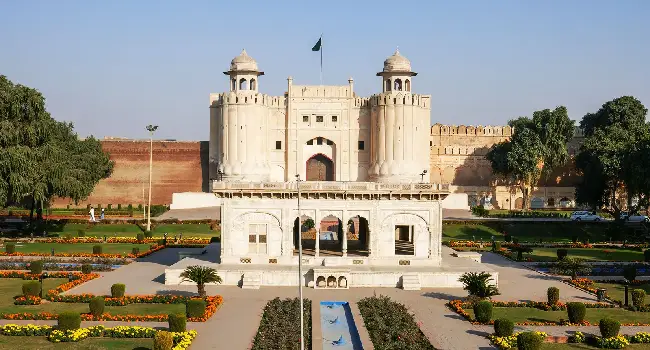
Lahore Fort isn’t just a fort it’s a massive complex containing palaces, gardens, mosques, and pavilions. Several Mughal emperors expanded it over centuries, each adding their own architectural style.
The fort’s highlights include Sheesh Mahal (Palace of Mirrors), where thousands of tiny mirrors create magical light effects. The Alamgiri Gate, built by Aurangzeb, is an architectural masterpiece. The Picture Wall contains beautiful frescoes showing court life, angels, and nature scenes.
Among Historical Places in Lahore, the fort offers the most comprehensive look at Mughal royal life. You can walk through the same halls where emperors held court, relax in gardens where queens strolled, and see the intricate craftsmanship that defined Mughal aesthetics.
What to see inside
- Sheesh Mahal (Palace of Mirrors) absolutely stunning
- Naulakha Pavilion exquisite marble work
- Diwan-e-Aam (Hall of Public Audience)
- Diwan-e-Khas (Hall of Private Audience)
- Picture Wall colorful tile mosaics
- Shahi Hammam (Royal Baths)
The fort underwent significant restoration in recent years. The Picture Wall, damaged over time, has been carefully restored showing its original colors and artistry. Walking through the fort takes 2-3 hours minimum, and you could easily spend a full day exploring every corner.
Entry details for 2026
- Pakistanis: PKR 500
- Foreigners: PKR 1000
- Guide services available (PKR 500-1000)
- Sound and light show in evenings (additional fee)
3. Shalimar Gardens | Paradise on Earth
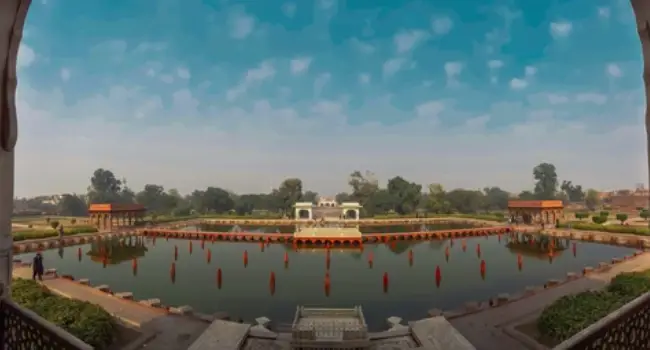
The Mughals called their gardens “paradise,” and Shalimar Gardens shows why. Built by Emperor Shah Jahan in 1641, these gardens spread across 80 acres with three descending terraces.
The water features are engineering marvels 410 fountains create a symphony of water and light. The gardens were designed so royalty could enjoy them from different vantage points. The upper terrace was for the emperor, the middle for nobility, and the lower for the public.
The Historical Places in Lahore include several Mughal gardens, but Shalimar is the grandest. Despite being nearly 400 years old, the hydraulic system still works, pushing water through hundreds of fountains without modern pumps.
Best time to visit
Spring (March-April) when flowers bloom, or autumn (October-November) when weather is perfect. Summer gets extremely hot, and fountains provide welcome relief.
The gardens contain 450 types of trees and plants. The pavilions feature intricate marble work and colorful tile mosaics. The central pavilion, where the emperor sat, offers views of the entire garden complex.
Current status in 2026
- Well maintained by archaeology department
- Some restoration work ongoing
- Most fountains operational
- Guards protect the property
- Picnicking allowed in designated areas
- Entry fee: PKR 300
4. Wazir Khan Mosque | A Masterpiece of Tile Work
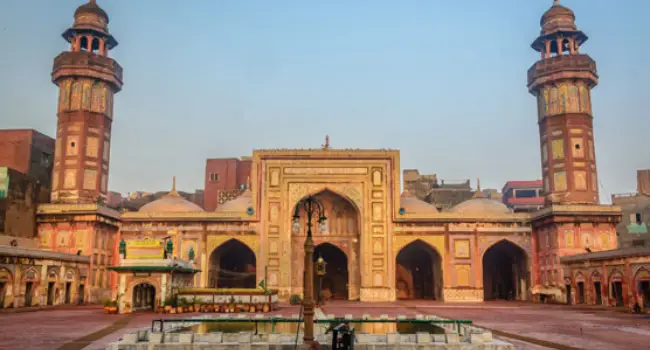
Hidden in the narrow lanes of the Walled City, Wazir Khan Mosque is a jewel box of colors. Built in 1634 during Shah Jahan’s reign, every inch of this mosque features intricate tile work and frescoes.
Unlike Badshahi’s grand scale, Wazir Khan impresses through detailed artistry. The calligraphy, floral patterns, and geometric designs showcase master craftsmen’s work. The main entrance features a massive dome covered in brilliant blue and white tiles.
This mosque represents the Historical Places in Lahore that reward patient exploration. The more time you spend looking at the walls, ceiling, and floors, the more details you discover. Each section tells stories through its artwork.
What makes it special
- Finest tile work in South Asia
- Beautiful calligraphy throughout
- Four corner minarets with unique designs
- Small mosque with intimate atmosphere
- Still active place of worship
- Recently restored to original glory
The restoration project completed in 2021 brought back the mosque’s original colors and patterns. Centuries of grime and paint were carefully removed, revealing stunning artwork underneath.
Visiting tips
- Located in dense Walled City area
- Best reached by rickshaw or on foot
- Dress modestly
- Visit during non prayer times
- Free entry
- Local guides available at entrance
- Combined with Shahi Hammam and Delhi Gate for full Walled City experience
5. Jahangir’s Tomb | Resting Place of an Emperor
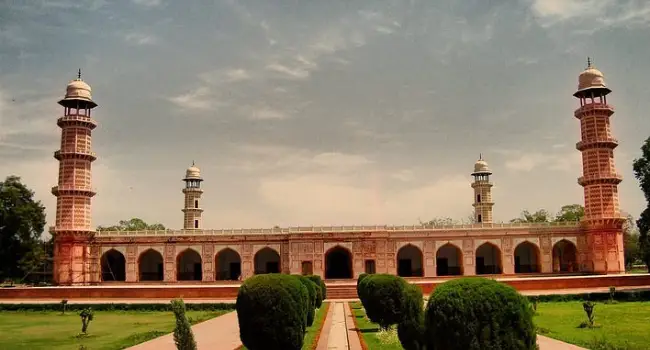
Emperor Jahangir’s tomb sits in peaceful gardens in Shahdara, across the Ravi River. His son Shah Jahan built this mausoleum, which combines Mughal architecture with Persian influences.
The tomb structure features four minarets at corners, similar to the Taj Mahal (which Shah Jahan also built). The interior contains Jahangir’s cenotaph made of white marble with beautiful inlay work. The walls feature frescoes depicting angels and floral patterns.
Among Historical Places in Lahore, Jahangir’s Tomb offers a quieter, more contemplative experience than the busier sites. The gardens surrounding the tomb provide peaceful spaces to relax and reflect.
Features
- Four 100 foot tall minarets
- Marble cenotaph with intricate inlay
- Original Mughal era frescoes
- Beautiful garden setting
- Nearby Akbari Sarai and Nur Jahan’s tomb
The tomb underwent restoration, and the frescoes now display their original brilliant colors. The garden’s water channels and pathways follow the original Mughal design.
Practical information
- Entry fee: PKR 200
- Less crowded than main city attractions
- Good for photography
- Plan 1-2 hours visit
- Combine with nearby Asif Khan’s tomb
- Accessible by car or public transport
6. Minar-e-Pakistan | Symbol of Independence
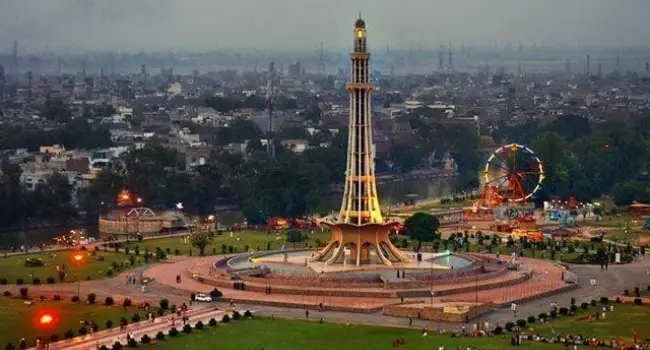
Unlike other Mughal-era Historical Places in Lahore, Minar-e-Pakistan is relatively modern, completed in 1968. But its historical significance is immense it marks the spot where the Pakistan Resolution was passed in 1940.
The 70 meter tall minaret combines Mughal and modern Islamic architecture. The base features flower petal shapes representing Pakistan’s progress. You can climb to the top for panoramic city views (though this depends on current security protocols in 2026).
The park surrounding Minar-e-Pakistan is popular with families, especially in evenings. The monument is beautifully lit at night, creating spectacular photo opportunities.
Why visit
- Marks Pakistan’s founding moment
- Modern architecture with traditional elements
- Great city views from top
- Beautiful gardens around it
- Light show in evenings
- Central location in Lahore
Current facilities (2026)
- Museum at base with historical exhibits
- Elevator to viewing platform
- Landscaped gardens
- Food stalls nearby
- Security checkpoints
- Entry fee: PKR 100
7. Lahore Museum | Treasure Trove of History
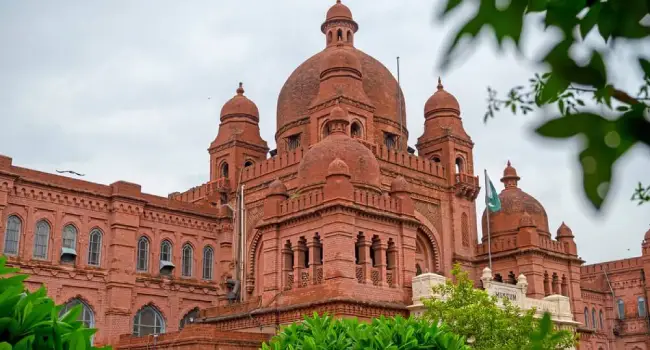
The Lahore Museum, built by British in 1894, houses one of Pakistan’s finest collections of art and artifacts. It’s among the Historical Places in Lahore where you learn history through objects rather than buildings.
The museum contains over 250,000 artifacts covering 5,000 years. The Gandhara Gallery features ancient Buddhist sculptures. The Miniature Painting Gallery displays Mughal and Persian artwork. The Islamic Gallery contains manuscripts, calligraphy, and decorative arts.
Must see sections
- Gandhara Buddhist sculptures (world renowned)
- Fasting Buddha statue
- Mughal miniature paintings
- Arms and armory gallery
- Coins collection spanning centuries
- Independence Movement gallery
The museum building itself is beautiful red brick Victorian architecture with Islamic elements. The main hall’s domed ceiling and arched galleries create an impressive space.
Visitor information
- Entry fee: PKR 300
- Open daily except Mondays
- Photography allowed (additional fee)
- 2-3 hours recommended
- Air conditioned galleries
- Small cafeteria inside
- Located on Mall Road
8. Anarkali Bazaar | Living History
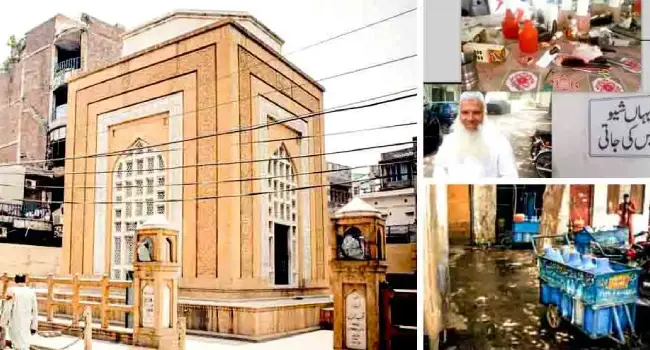
Anarkali isn’t a building or monument, but it’s absolutely among Historical Places in Lahore you must experience. This bazaar dates back to Mughal times, named after the legendary courtesan Anarkali.
The narrow lanes packed with shops sell everything clothes, jewelry, shoes, fabrics, traditional foods, and handicrafts. Many shops are centuries old, passed down through generations. The architecture shows different eras Mughal archways, British era buildings, modern additions.
What to experience
- Traditional shopping atmosphere
- Mughal era tomb of Anarkali (in government building, limited access)
- Old havelis and buildings
- Street food vendors
- Local handicrafts
- Traditional jewelry shops
Walking through Anarkali connects you with Lahore’s commercial history. The same streets where Mughal courtiers shopped now serve modern Lahoris. It’s living history where the past and present mix seamlessly.
Shopping tips
- Bargaining expected and required
- Best visits in late afternoon
- Very crowded on weekends
- Watch belongings carefully
- Try local snacks from street vendors
- Combine with nearby Lakshmi Chowk area
9. Kim’s Gun (Zamzama) | The Roaring Lion
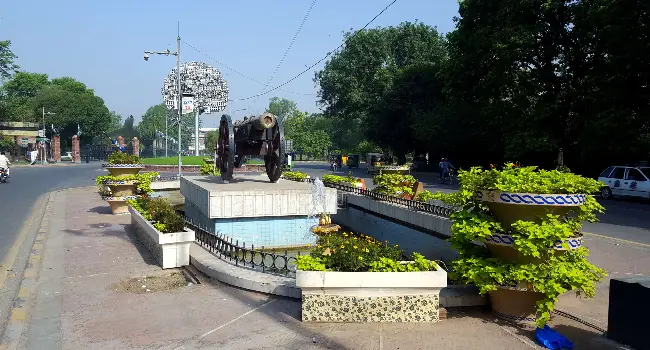
The Zamzama cannon, famously mentioned in Rudyard Kipling’s novel “Kim,” sits outside Lahore Museum on Mall Road. Cast in 1757, this massive bronze cannon weighs 30,000 pounds.
The cannon represents Historical Places in Lahore from the pre British era. Various rulers used it in battles across Punjab. The British eventually captured it and placed it as a monument. Locals call it “Bhangianwali Toop” after the Bhangi Misl Sikhs who once owned it.
While you can’t enter or touch the cannon (it’s behind barriers), it’s an iconic Lahore landmark. The inscription and decorative work on the cannon are still visible.
Quick facts
- 14 feet long
- Decorated with floral patterns
- Featured in Kipling’s “Kim”
- Located on Mall Road
- Free to view
- Good photo opportunity
- 5 minute stop
10. Tomb of Allama Iqbal | Pakistan’s Poet Philosopher
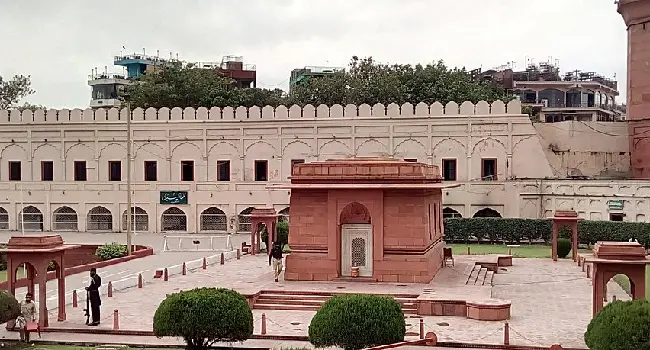
Near Badshahi Mosque lies the mausoleum of Allama Iqbal, Pakistan’s national poet. Built in 1951, this red sandstone structure reflects Mughal architecture while being distinctly modern.
Iqbal’s poetry inspired Pakistan’s creation. His tomb has become a pilgrimage site for people wanting to pay respects to the visionary who dreamed of a separate Muslim state.
The Historical Places in Lahore include this tomb because of Iqbal’s monumental influence on Pakistan’s history. The simple yet elegant structure features beautiful calligraphy of his poetry on the walls.
Features
- Red sandstone construction
- Mughal style dome
- Calligraphy of Iqbal’s poetry
- Peaceful gardens
- Guards maintain respectful atmosphere
- Free entry
The tomb is particularly moving during Iqbal Day (November 9) when official ceremonies honor his legacy.
Planning Your Historical Tour of Lahore
Best Time to Visit
Spring (February-April)
Perfect weather, gardens in bloom. Busy tourist season means crowds but also fully operational facilities.
Autumn (October-November)
Comfortable temperatures, clear skies. Excellent for photography and long walks through historical sites.
Winter (December-January)
Cool but pleasant. Fewer tourists mean easier exploration of Historical Places in Lahore.
Summer (May-September)
Very hot. Visit early morning or evening. Many indoor sites like museums offer air conditioned relief.
How to Plan Your Days
Day 1: Mughal Grandeur
- Morning: Badshahi Mosque and Lahore Fort (combined visit)
- Lunch: Food Street near fort
- Afternoon: Wazir Khan Mosque
- Evening: Minar-e-Pakistan
Day 2: Gardens and Tombs
- Morning: Shalimar Gardens
- Afternoon: Jahangir’s Tomb
- Evening: Iqbal’s Tomb and surrounding area
Day 3: Museum and Markets
- Morning: Lahore Museum
- Afternoon: Anarkali Bazaar shopping
- Evening: Mall Road and Kim’s Gun
Transportation Options
Rickshaws: Best for short distances within city. Negotiate fare before starting.
Uber/Careem: Available throughout Lahore. Convenient and reliable.
Private Car: Hire a car with driver for full day tours. Costs PKR 5,000-8,000 daily.
Metro/Bus: Not practical for most historical sites. Better for getting between major areas.
What to Bring
- Comfortable walking shoes (you’ll walk a lot)
- Sun protection (hat, sunglasses, sunscreen)
- Water bottle
- Camera/phone with good charge
- Cash (many places don’t accept cards)
- Modest clothing (especially for mosques)
- Small backpack for belongings
Cost Breakdown for Historical Tour
| Expense Category | Budget Range (PKR) |
|---|---|
| Entry fees (all 10 sites) | 2,000 – 3,000 |
| Transportation (daily) | 1,000 – 3,000 |
| Food (daily) | 1,500 – 4,000 |
| Guide services (optional) | 2,000 – 5,000 |
| Shopping/souvenirs | Variable |
| Total for 3 days | 15,000 – 40,000 |
Safety and Etiquette
The Historical Places in Lahore are generally safe, but follow these guidelines:
At Mosques
- Remove shoes
- Dress modestly
- Women cover head
- Respect prayer times
- No loud talking
- Photography restrictions vary
General Safety
- Keep valuables secure
- Avoid isolated areas after dark
- Use registered transportation
- Stay hydrated in hot weather
- Follow site rules
- Be respectful of local customs
Photography
- Allowed in most places
- Some sites charge extra
- Ask before photographing people
- Respect privacy and prayer areas
- Tripods may require permission
Local Food to Try Near Historical Sites
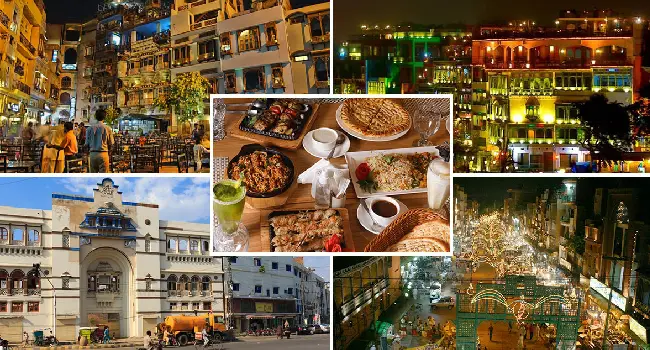
Near Badshahi Mosque/Lahore Fort
- Food Street for traditional Pakistani cuisine
- Cooco’s Den for rooftop dining with fort view
- Street vendors for local snacks
Anarkali Bazaar Area
- Lakshmi Chowk for chaat and street food
- Traditional sweet shops
- Fresh lassi vendors
Mall Road
- Numerous restaurants and cafes
- Modern and traditional options
- Gourmet coffee shops
Conclusion
The Historical Places in Lahore offer more than just sightseeing they provide a journey through centuries of history, architecture, and culture.
From the magnificent Badshahi Mosque to the intricate Wazir Khan Mosque, from the grandeur of Lahore Fort to the peaceful Shalimar Gardens, each site tells unique stories of emperors, poets, and ordinary people who shaped this city.
Lahore wears its history proudly. Walking through these sites, you’re not just observing the past you’re experiencing it. The same marble that Mughal emperors touched, the same gardens where queens walked, the same walls that witnessed centuries of change.
These Historical Places in Lahore connect modern visitors with a rich legacy spanning from ancient times to Pakistan’s independence. Whether you have three days or three weeks, make time for these historical treasures.
They represent the soul of Lahore and by extension, Pakistan’s cultural identity. Come with curiosity, respect for the past, and willingness to let history speak to you through these incredible monuments. The Historical Places in Lahore await your visit in 2026, ready to share their timeless stories with anyone willing to listen.
Lahore’s history isn’t locked away in books it’s alive in every brick, tile, and stone of these magnificent sites.
FAQs
What are the top Historical Places in Lahore to visit?
Badshahi Mosque, Lahore Fort, Shalimar Gardens, Wazir Khan Mosque, and Jahangir’s Tomb are the must visit historical sites.
How many days needed to see Historical Places in Lahore?
Minimum 3 days to comfortably visit all major sites; 5-7 days for thorough exploration including nearby attractions.
What is the best time to visit Historical Places in Lahore?
October to March offers pleasant weather spring (February-April) shows gardens in full bloom.
Are Historical Places in Lahore safe for tourists?
Yes, these sites are generally safe with security presence follow basic safety precautions and respect local customs.
Do I need a guide for Historical Places in Lahore?
Not required but recommended for deeper understanding; guides available at major sites for PKR 500-1,000.
Is photography allowed at Historical Places in Lahore?
Generally yes, though some sites charge extra fees always check specific rules at each location.
Are Historical Places in Lahore wheelchair accessible?
Major sites like Badshahi Mosque and Lahore Museum have some accessibility older sites have limited facilities.
What should I wear when visiting Historical Places in Lahore?
Modest clothing covering shoulders and knees; women need head covering for mosques comfortable walking shoes essential.
Can I combine multiple Historical Places in Lahore in one day?
Yes, Badshahi Mosque and Lahore Fort are adjacent plan geographically close sites together to save time.
Are there restaurants near Historical Places in Lahore?
Yes, Food Street near Lahore Fort, various options on Mall Road, and street vendors throughout Walled City.
Do Historical Places in Lahore have parking facilities?
Major sites have parking areas; Walled City locations better accessed on foot or by rickshaw.