

Have you ever wondered why two people doing the exact same action might receive completely different rewards from Allah? The answer lies in something invisible but incredibly powerful: niyyah, your intention.
I’ll never forget what my Islamic studies teacher told us years ago. She said, “You could pray five times daily for years, but if your heart isn’t in it, if you’re just going through motions to impress people, what do you think Allah sees?”
That question shook me. It made me realize that the importance of niyyah in Islam goes deeper than I ever imagined.
Your intention is the engine behind every action. It’s what transforms ordinary movements into worship, and it’s what can turn apparently good deeds into worthless acts.
Understanding the importance of niyyah in Islam changes how you approach every single thing you do as a Muslim.
What Exactly Is Niyyah?
Niyyah means “Intention” in Arabic. It’s the purpose and resolve in your heart when you perform any action. Your niyyah is what you truly mean to accomplish, the real reason driving your behavior.
Here’s what makes niyyah fascinating: it’s entirely internal. Nobody can see your intention except Allah. You might perform salah perfectly with correct movements, but only Allah knows whether you’re doing it for Him or for people watching you.
The importance of niyyah in Islam stems from this reality. Allah judges what’s in your heart, not just what others can observe. Your niyyah determines whether your deed counts as worship or just empty movement.
The Foundation | What Prophet Muhammad (PBUH) Taught About Niyyah
The Most Important Hadith on Intention
The Prophet Muhammad (peace be upon him) gave us the clearest teaching about the importance of niyyah in Islam:
إِنَّمَا الأَعْمَالُ بِالنِّيَّاتِ، وَإِنَّمَا لِكُلِّ امْرِئٍ مَا نَوَى، فَمَنْ كَانَتْ هِجْرَتُهُ إِلَى اللَّهِ وَرَسُولِهِ فَهِجْرَتُهُ إِلَى اللَّهِ وَرَسُولِهِ، وَمَنْ كَانَتْ هِجْرَتُهُ
. لِدُنْيَا يُصِيبُهَا أَوِ امْرَأَةٍ يَنْكِحُهَا فَهِجْرَتُهُ إِلَى مَا هَاجَرَ إِلَيْهِ
“Actions are judged by intentions, and every person will be rewarded according to their intention. So whoever migrated for the sake of Allah and His Messenger, then his migration was for Allah and His Messenger. And whoever migrated for worldly gain or to marry a woman, then his migration was for whatever he migrated for.”
(Sahih al-Bukhari 1, Sahih Muslim 1907)
This hadith is so crucial that Islamic scholars call it one third of Islam’s knowledge. Some scholars placed it as the very first hadith in their collections because it sets the foundation for everything else.
Think about what this means. Two people could leave their homes, travel the same distance, face the same hardships. One migrates purely for Allah’s sake. The other migrates hoping to make money. Same action, completely different rewards. That’s the importance of niyyah in Islam right there.
When Intention Transforms Everything
The Prophet (PBUH) also taught us:
. مَنْ طَلَبَ الْعِلْمَ لِيُمَارِيَ بِهِ السُّفَهَاءَ، أَوْ لِيُبَاهِيَ بِهِ الْعُلَمَاءَ، أَوْ لِيَصْرِفَ بِهِ وُجُوهَ النَّاسِ إِلَيْهِ، فَهُوَ فِي النَّارِ
“Whoever seeks knowledge to argue with the foolish, or to show off before the scholars, or to attract people’s attention, will be in the Fire.”
(Sunan Ibn Majah 253)
Seeking knowledge is among the best deeds in Islam. But see how intention flips it completely? The same studying, the same learning, becomes a path to destruction when your niyyah is corrupt.
What the Quran Says About Intention
Allah tells us directly in the Quran:
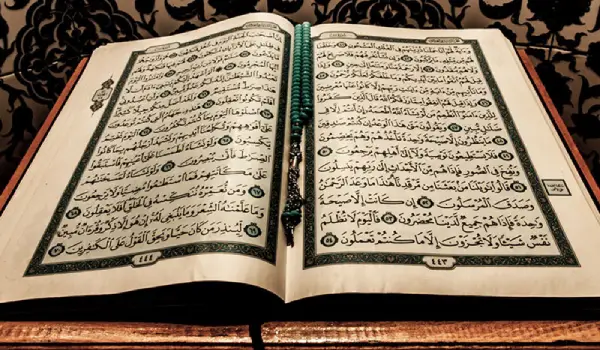
وَمَا أُمِرُوا إِلَّا لِيَعْبُدُوا اللَّهَ مُخْلِصِينَ لَهُ الدِّينَ حُنَفَاءَ وَيُقِيمُوا الصَّلَاةَ وَيُؤْتُوا الزَّكَاةَ ۚ وَذَٰلِكَ دِينُ الْقَيِّمَةِ
“And they were not commanded except to worship Allah, being sincere to Him in religion, inclining to truth, and to establish prayer and to give zakah. And that is the correct religion.”
(Quran 98:5)
The word “sincere” here comes from the Arabic word “mukhlisin,” which means purifying your intention for Allah alone. Allah commands sincerity in worship before even mentioning prayer and zakah. That shows you the importance of niyyah in Islam.
Another powerful verse states:
فَمَنْ يَعْمَلْ مِثْقَالَ ذَرَّةٍ خَيْرًا يَرَهُ وَمَنْ يَعْمَلْ مِثْقَالَ ذَرَّةٍ شَرًّا يَرَهُ
“So whoever does an atom’s weight of good will see it, and whoever does an atom’s weight of evil will see it.”
(Quran 99:7-8)
Even the tiniest good deed, when done with pure intention for Allah, carries weight. Even the smallest action matters when your niyyah is right.
Allah also warns us:
يَا أَيُّهَا الَّذِينَ آمَنُوا لَا تُبْطِلُوا صَدَقَاتِكُم بِالْمَنِّ وَالْأَذَىٰ كَالَّذِي يُنفِقُ مَالَهُ رِئَاءَ النَّاسِ وَلَا يُؤْمِنُ بِاللَّهِ وَالْيَوْمِ الْآخِرِ
“O you who have believed, do not invalidate your charities with reminders or injury as does one who spends his wealth to be seen by the people and does not believe in Allah and the Last Day.”
(Quran 2:264)
Your charity becomes worthless when you do it for people’s praise instead of Allah’s pleasure. The importance of niyyah in Islam means your intention can either validate or invalidate your deeds.
How Niyyah Works in Daily Worship

1. Salah: Prayer with Intention
Before you start any prayer, you make niyyah in your heart. You don’t have to say it out loud. The intention forms when you consciously decide, “I’m praying Dhuhr for Allah’s sake.”
Some people make elaborate verbal declarations of intention, but scholars agree this isn’t necessary. The importance of niyyah in Islam for salah is about heart presence, not tongue announcement.
When you stand for prayer knowing why you’re there and Whom you’re standing before, that’s your niyyah.
Your prayer’s quality depends heavily on this intention. Are you praying because it’s your duty to Allah? Or because someone might judge you if you skip it? That difference determines your prayer’s value.
2. Fasting: More Than Just Hunger
The Prophet (PBUH) said:
مَنْ لَمْ يُبَيِّتِ الصِّيَامَ قَبْلَ الْفَجْرِ فَلَا صِيَامَ لَهُ
“Whoever does not intend to fast before Fajr, there is no fast for him.”
(Sunan an-Nasa’i 2331)
You must form the intention to fast before Fajr prayer begins. This requirement shows the importance of niyyah in Islam for fasting. Your hunger and thirst mean nothing without the intention that you’re doing this for Allah.
During Ramadan, your niyyah can be general for the whole month, or you can renew it each night. Either way, that conscious decision to fast for Allah’s sake is what makes your sacrifice count.
3. Charity: The Heart Behind Giving
You could give thousands in charity, but if you’re doing it for reputation or tax benefits, Allah might not accept it. Conversely, you might give just a little amount with pure intention to please Allah, and that small gift could be worth more than massive donations given for show.
The importance of niyyah in Islam for charity means checking your heart before opening your wallet. Ask yourself honestly: am I giving this for Allah or for people’s approval?
The Power of Pure Intention

When Sleep Becomes Worship
Here’s something beautiful about the importance of niyyah in Islam: your intention can turn mundane activities into worship. The Prophet (PBUH) taught:
إِذَا أَنْفَقَ الْمُسْلِمُ نَفَقَةً عَلَى أَهْلِهِ وَهُوَ يَحْتَسِبُهَا كَانَتْ لَهُ صَدَقَةً
“When a Muslim spends on his family seeking reward for it from Allah, it counts as charity for him.”
(Sahih al-Bukhari 55, Sahih Muslim 1002)
Feeding your children is your obligation anyway. But when you do it with the intention of obeying Allah and seeking His reward, that ordinary act becomes worship. Your niyyah transformed a basic responsibility into something spiritually valuable.
Even sleep can become worship. If you sleep intending to rest so you can wake up for Fajr prayer, or so you’ll have energy to work and provide halal income, that sleep earns reward. That’s the importance of niyyah in Islam working in your favor.
Working for Allah’s Sake
Going to work to earn money is necessary for survival. But if you intend through your work to provide for your family in a halal way, to be independent and not burden others, to have means for charity, then your workday becomes an act of worship.
This understanding of the importance of niyyah in Islam changes everything. Your entire life can become worship when your intentions align with pleasing Allah.
When Bad Intention Ruins Good Deeds
The Scholar Who Ends in Hellfire
The Prophet (PBUH) described people who will be judged on the Day of Judgment. Among them:
رَجُلٌ تَعَلَّمَ عِلْمًا فَعَلَّمَهُ وَتَلَاهُ القُرْآنَ فَيُؤْتَى بِهِ فَيُذَكِّرُهُ اللَّهُ نِعَمَهُ فَيُقِرُّ بِهَا، فَيَقُولُ اللَّهُ: مَاذَا عَمِلْتَ بِهَا؟ فَيَقُولُ: تَعَلَّمْتُ عِلْمًا فَعَلَّمْتُهُ، وَتَلَاهُ القُرْآنَ لِوَجْهِكَ. فَيَقُولُ اللَّهُ: كَذَبْتَ، تَعَلَّمْتَهُ لِيُقَالَ عَلِمْتَ، وَتَلَاهُ لِيُقَالَ قَرَأْتَ، وَقِيلَ. فَيُأْمَرُ أَنْ يُسَاقَ عَلَى وَجْهِهِ فَيُرْمَى فِي النَّارِ
“A man who learned knowledge and taught it, and who recited the Quran. He will be brought, and Allah will remind him of His favors, and he will acknowledge them. Then Allah will say: ‘What did you do with them?’ He will say: ‘I learned knowledge and taught it, and I recited the Quran for Your sake.’ Allah will say: ‘You have lied. You learned so that it would be said you are a scholar, and you recited so that it would be said you are a reciter, and it has been said.’ Then he will be ordered to be dragged on his face and thrown into the Fire.”
(Sahih Muslim 1905)
This terrifying hadith shows the importance of niyyah in Islam from the negative angle. Even learning and teaching Islam, among the best deeds possible, leads to punishment when done for people’s praise rather than Allah’s pleasure.
The Danger of Showing Off
Allah warns about riya, which means showing off in worship:
فَوَيْلٌ لِلْمُصَلِّينَ الَّذِينَ هُمْ عَنْ صَلَاتِهِمْ سَاهُونَ الَّذِينَ هُمْ يُرَاءُونَ
“So woe to those who pray, who are heedless of their prayer, those who make show of their deeds.”
(Quran 107:4-6)
You might pray beautifully with a melodious voice, but if you’re performing for people watching rather than for Allah, your prayer is in danger. The importance of niyyah in Islam means constantly checking that you’re worshipping Allah alone, not people’s opinions.
Different Types of Niyyah in Islamic Practices
Niyyah for Different Prayers
Each prayer requires its own specific intention in your heart:
For Fajr: “I intend to pray the two rakah of Fajr for Allah.”
For Dhuhr: “I intend to pray the four rakah of Dhuhr for Allah.”
For Asr: “I intend to pray the four rakah of Asr for Allah.”
For Maghrib: “I intend to pray the three rakah of Maghrib for Allah.”
For Isha: “I intend to pray the four rakah of Isha for Allah.”
Again, you don’t need to verbalize these. The importance of niyyah in Islam for prayer is about heart awareness, not spoken formulas. When you know in your heart which prayer you’re performing and that you’re doing it for Allah, your intention is complete.
Niyyah for Hajj and Umrah
For major acts of worship like Hajj and Umrah, you make niyyah at specific points. For Umrah, you form the intention when you enter the state of ihram at the miqat.
The importance of niyyah in Islam for Hajj is emphasized because the entire journey should be for Allah’s sake alone. Pilgrims who travel for tourism or business mixed with Hajj must purify their intentions to ensure they’re seeking Allah’s pleasure primarily.
Niyyah for Seeking Knowledge
Before studying anything Islamic, make intention: “I’m learning this to understand my religion better, to practice it correctly, and to please Allah.”
This simple internal statement transforms your study session from just reading into worship. The importance of niyyah in Islam for seeking knowledge means the same book read with different intentions yields completely different spiritual results.
Specific Duas and Statements of Niyyah
1. General Dua for Pure Intention
اللّهُمَّ إِنِّي أَسْأَلُكَ عِلْمًا نَافِعًا، وَرِزْقًا طَيِّبًا، وَعَمَلاً مُتَقَبَّلًا
“Allahumma inni as’aluka ‘ilman nafi’an, wa rizqan tayyiban, wa ‘amalan mutaqabbalan”
“O Allah, I ask You for beneficial knowledge, good provision, and accepted deeds.”
This dua is often recited after Fajr prayer, asking Allah to purify your intentions for the day ahead.
2. Before Starting Any Good Deed
اللّهُمَّ أعِنِّي عَلَى ذِكْرِكَ وَشُكْرِكَ وَحُسْنِ عِبَادَتِكَ
“Allahumma a’inni ‘ala dhikrika wa shukrika wa husni ‘ibadatik”
“O Allah, help me to remember You, to thank You, and to worship You in the best manner.”
The Prophet (PBUH) taught this dua to Muadh ibn Jabal. It’s perfect for setting your intention before worship.
3. For Sincerity in Action
اللّهُمَّ إِنِّي أَعُوذُ بِكَ أَنْ أُشْرِكَ بِكَ شَيْئًا وَأَنَا أَعْلَمُ، وَأَسْتَغْفِرُكَ لِمَا لَا أَعْلَمُ
“Allahumma inni a’udhu bika an ushrika bika shay’an wa ana a’lamu, wa astaghfiruka lima la a’lam”
“O Allah, I seek refuge in You from associating anything with You knowingly, and I seek Your forgiveness for what I do unknowingly.”
This dua helps guard against shirk (associating partners with Allah) in your intentions, recognizing the importance of niyyah in Islam.
4. Before Giving Charity
اللّهُمَّ اجْعَلْهَا صَدَقَةً مَقْبُولَةً
“Allahumma-j’alha sadaqatan maqbulah”
“O Allah, make this an accepted charity.”
When giving charity, this simple dua helps center your intention on Allah’s acceptance rather than people’s recognition.
5. Before Seeking Islamic Knowledge
رَبِّ زِدْنِي عِلْمًا
“Rabbi zidni ‘ilma”
“My Lord, increase me in knowledge.”
(Quran 20:114)
This Quranic dua is perfect before studying, reminding you that you’re seeking knowledge for Allah’s sake.
6. For Purity in All Actions
اللّهُمَّ طَهِّرْ قَلْبِي مِنَ النِّفَاقِ، وَعَمَلِي مِنَ الرِّيَاءِ، وَلِسَانِي مِنَ الكَذِبِ، وَعَيْنِي مِنَ الخِيَانَةِ
“Allahumma tahir qalbi min an-nifaq, wa ‘amali min ar-riya, wa lisani min al-kadhib, wa ‘ayni min al-khiyanah”
“O Allah, purify my heart from hypocrisy, my deeds from showing off, my tongue from lying, and my eyes from treachery.”
This comprehensive dua addresses multiple aspects of intention and sincerity.
You can also visit our site to know about detail and barakah of safar ki dua.
How to Keep Your Niyyah Pure
Regular Self Examination
The importance of niyyah in Islam requires that you constantly check your intentions. Before any act of worship, pause and ask yourself: “Why am I really doing this? Is it for Allah or for something else?”
This isn’t about being paranoid. It’s about being honest with yourself. Your nafs (ego) is sneaky. It can convince you that you’re doing something for Allah when really you’re seeking people’s admiration.
Avoid Announcing Good Deeds
When you do something good, resist the urge to broadcast it. The Prophet (PBUH) taught us that hidden good deeds are often more valuable because they’re more likely to be purely for Allah.
Of course, sometimes announcing good deeds is necessary to encourage others or for organizational purposes. But examine whether your announcement is needed or whether it’s your ego wanting recognition.
Remember Death Often
The Prophet (PBUH) said:
اذْكُرُوا الْمُهْلِكَ لِلْمَلَذَّاتِ كَثِيرًا
“Remember often the destroyer of pleasures: death.”
(Sunan at-Tirmidhi 2307)
When you remember that you’ll die and stand before Allah alone, worldly praise loses its appeal. Remembering death helps purify your niyyah because you realize only Allah’s judgment matters.
Seek Allah’s Help
You can’t purify your intention by yourself. Your nafs constantly tries to corrupt your motives. Make dua asking Allah to purify your intentions. Recognize your weakness and dependency on Allah’s help.
The importance of niyyah in Islam includes recognizing that maintaining pure intention is a spiritual struggle requiring Allah’s assistance.
Common Mistakes About Niyyah
Mistake 1: Saying Niyyah Out Loud
Many people think they must verbally announce their intention before prayer or other worship. Islamic scholars agree this isn’t from the Sunnah. The Prophet (PBUH) never said his intention out loud before prayer.
Your niyyah is in your heart. Verbal announcement can actually become a distraction or even a form of showing off. Understanding the importance of niyyah in Islam means knowing it’s an internal matter between you and Allah.
Mistake 2: Making Niyyah Too Complicated
Some people create elaborate, long statements of intention with specific Arabic phrases. This isn’t necessary. Your niyyah is simply knowing in your heart what you’re doing and why.
When you stand for Dhuhr prayer, you know you’re praying Dhuhr, and you know you’re doing it for Allah. That’s your complete niyyah. Don’t overcomplicate what Allah has made simple.
Mistake 3: Doing Good Only for Reward
While intending to gain Paradise and avoid Hellfire is acceptable and even encouraged, the highest level is doing good purely out of love for Allah and desire to please Him.
The importance of niyyah in Islam includes understanding levels of intention. Wanting Paradise is good, but worshipping Allah because He deserves worship is better.
Mistake 4: Mixing Intentions
Sometimes people mix intentions, like fasting partly for health and partly for Allah. Scholars say your worship is valid as long as pleasing Allah is your primary intention.
But be careful about diluting your niyyah. The purer your intention, the greater your reward. Try to do acts of worship solely for Allah, and do other things for worldly benefits.
Niyyah in Different Life Situations
At Work
You spend most of your waking hours working. The importance of niyyah in Islam means this time shouldn’t be spiritually wasted. Intend through your work to:
- Earn halal income to support your family
- Gain independence so you don’t burden others
- Have means to give charity
- Contribute positively to society
- Use your skills as Allah intended
These intentions transform your job from merely worldly to partly worship.
In Relationships
Your relationships with family, spouse, friends, and community can all become worship through proper intention. Intend to:
- Maintain family ties as Allah commanded
- Be a good spouse to please Allah
- Choose righteous friends who help you remember Allah
- Serve your community for Allah’s sake
The importance of niyyah in Islam applies even to casual conversations. If you chat with someone intending to make them happy for Allah’s sake, or to strengthen your relationship with a family member as Allah commanded, you earn reward.
In Difficult Times
When facing trials, your niyyah determines whether hardship becomes a burden or blessing. Intend to:
- Show patience for Allah’s sake
- Seek reward for your suffering
- Use difficulty to grow closer to Allah
- Trust Allah’s wisdom even when you don’t understand
This niyyah doesn’t make pain disappear, but it gives meaning to suffering and earns you tremendous reward.
The Importance of Niyyah in Islam for Children

Teaching children about intention is crucial. Help them understand that Allah sees their hearts, not just their actions. When your child prays, ask them, “Who are you praying for?” Help them articulate, “I’m praying for Allah.”
This early training in the importance of niyyah in Islam shapes their entire spiritual development. Children who understand intention grow into adults who worship consciously rather than robotically.
Make it practical. When your child shares a toy, acknowledge the action but also ask, “Why did you share? Was it to make Allah happy?” This connects their behavior to their intention.
Signs of Pure Niyyah
How do you know if your intention is pure? Here are some indicators:
You’re equally motivated in private and public
If you worship the same whether people see you or not, your niyyah is likely pure. If you only feel motivated when others might notice, examine your intention.
You don’t care about praise
When someone praises your good deed and you feel uncomfortable rather than pleased, that’s a good sign. Pride in people’s praise indicates impure intention.
You continue despite no recognition
If you keep doing good even when nobody notices or acknowledges your efforts, you’re probably doing it for Allah.
You feel genuine gratitude for success
When your good deed succeeds, you thank Allah rather than congratulating yourself. This humility indicates proper understanding of the importance of niyyah in Islam.
Conclusion
Understanding the importance of niyyah in Islam is just the beginning. Now comes the harder part: living with conscious intention every day.
Start tomorrow morning by making a simple dua asking Allah to purify your intentions. Before each prayer, pause for just a moment to consciously form your niyyah in your heart. Before each good deed, check your motive.
This won’t feel natural at first. You’ve probably been doing things automatically for years. But with practice, checking your niyyah becomes second nature. You start catching yourself when your ego tries to corrupt your motives.
The beauty of the importance of niyyah in Islam is that it’s never too late to correct your intention. Even if you’ve been doing something for wrong reasons for years, you can repent and renew your niyyah today. Allah accepts sincere repentance.
Remember, Allah judges hearts, not just actions. He knows your struggles with your nafs. He knows when you’re genuinely trying to purify your intention even if you sometimes fail. Keep trying, keep checking your heart, and keep asking Allah for help.
Your intention has the power to transform your entire life from mundane existence into continuous worship. That’s the incredible gift Allah has given you through the importance of niyyah in Islam. Use it wisely, guard it carefully, and may Allah accept all your deeds done sincerely for His sake.
FAQs
What is niyyah in Islam?
Niyyah is the intention in your heart that determines the purpose and sincerity of your actions before Allah.
Do I need to say my intention out loud before prayer?
No, intention is in the heart and does not need to be verbalized according to Islamic scholars.
Can a good deed be rejected because of bad intention?
Yes, deeds done for show or worldly gain rather than for Allah may not be accepted despite appearing good externally.
How do I make my intention pure?
Through constant self examination, sincere dua asking Allah for help, and focusing on Allah’s pleasure rather than people’s opinions.
What is the most important hadith about niyyah?
The hadith stating actions are judged by intentions from Sahih al-Bukhari and Sahih Muslim.
Can intention turn daily activities into worship?
Yes, with proper niyyah, even eating, sleeping, and working can become acts of worship if done to gain strength for obeying Allah.
What if I have mixed intentions?
As long as pleasing Allah is your primary intention, your worship is valid, but purer intention brings greater reward.
How often should I check my niyyah?
Before every act of worship and regularly throughout the day as you go about your activities.
Can niyyah be changed during an action?
For some acts like prayer, the initial niyyah at the start is what counts, though maintaining focus throughout is important.
What happens to deeds done with corrupt intention?
They may be rejected entirely or diminished in reward depending on the level of corruption in the intention.