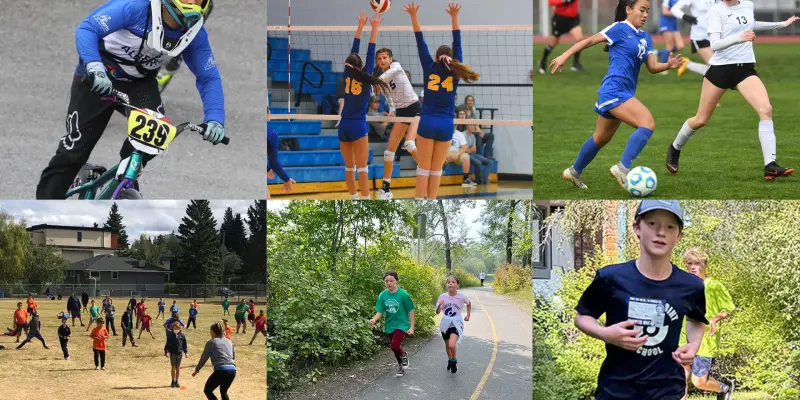

I still remember watching my nephew transform from a shy, screen addicted kid into a confident team captain within two years of joining his school soccer team. That change wasn’t magic. It was sports doing what sports do best building young people from the inside out.
Let me tell you something real: the Role of Sports in Youth Development goes way beyond just physical fitness. We’re talking about shaping entire personalities, building life skills, and creating foundations that last a lifetime.
And if you’re a parent wondering whether to enroll your kid in that basketball camp or let them stay glued to their tablet, this conversation is for you.
Why Sports Matter for Young People Right Now
Kids today face challenges we never had growing up. Social media pressure, screen addiction, decreasing attention spans, mental health struggles, and less outdoor play than any generation before. Sports aren’t just fun activities anymore they’re essential tools for healthy development.
The Role of Sports in Youth Development addresses these modern problems head on. Physical activity combats childhood obesity, team sports build real social connections, competitive play teaches resilience, and structured practice develops discipline. These aren’t just nice benefits they’re necessities.
Understanding the Role of Sports in Youth Development helps parents, teachers, and communities make better decisions about how kids spend their time. Because honestly, those hours matter. What our children do between ages 6 and 18 shapes who they become as adults.
The Core Benefits: What Sports Actually Do for Kids
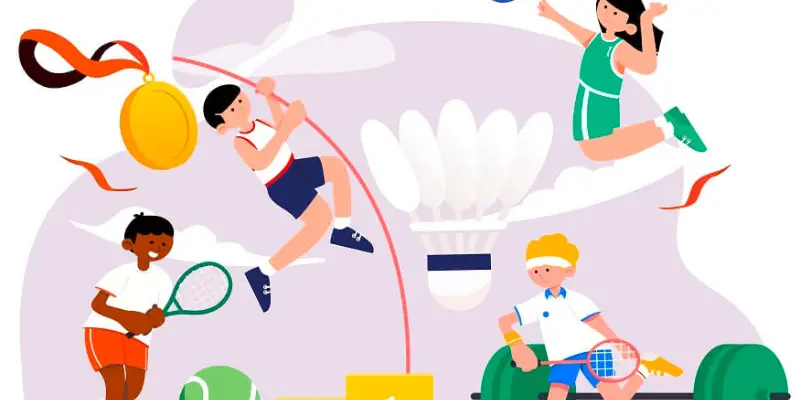
Let me break down the real, tangible benefits you’ll see when kids get involved in sports. Not theoretical benefits from research papers, but actual changes parents and teachers notice.
1. Physical Development and Health
This one’s obvious but worth saying: kids need to move. The Role of Sports in Youth Development starts with building healthy bodies that can handle life’s demands.
Regular sports participation fights childhood obesity, which has tripled in the last 30 years. Kids playing sports develop stronger bones, better cardiovascular health, improved coordination, and physical habits that stick with them for life.
But here’s what surprised me: physical activity directly impacts brain development. When kids run, jump, and play, they’re literally growing their brains. Better blood flow means better cognitive function. Movement creates new neural pathways. Physical challenge improves mental capacity.
Key Physical Benefits
| Benefit | Impact | Long term Result |
|---|---|---|
| Cardiovascular Fitness | Stronger heart and lungs | Reduced disease risk in adulthood |
| Bone Density | Stronger skeleton during growth | Lower osteoporosis risk later |
| Motor Skills | Better coordination and balance | Improved physical confidence |
| Weight Management | Healthy body composition | Established fitness habits |
| Muscle Development | Increased strength and endurance | Foundation for lifelong health |
The Role of Sports in Youth Development creates physical foundations that determine health outcomes for decades. A kid who learns to love movement at age 10 is more likely to stay active at 40.
2. Mental and Emotional Growth
Here’s where sports get really powerful. My friend’s daughter struggled with anxiety until she joined the swim team. Something about setting goals, achieving them, and being part of something bigger helped her manage stress better than anything else they’d tried.
Sports teach kids how to handle pressure. How to lose gracefully. How to win humbly. How to push through when everything in them wants to quit. These aren’t small skills they’re life skills.
Mental benefits include
- Reduced anxiety and depression
- Improved self-esteem and confidence
- Better stress management
- Enhanced focus and concentration
- Emotional regulation skills
- Resilience in facing challenges
The Role of Sports in Youth Development provides safe spaces to fail, learn, and try again. That’s massive for mental health. Kids learn that setbacks aren’t permanent, that effort leads to improvement, and that they’re capable of more than they thought.
Understanding the Role of Sports in Youth Development means recognizing sports as mental health tools, not just physical activities. A tough practice teaches persistence. A close game teaches managing nerves. A season-ending loss teaches processing disappointment.
3. Social Skills and Teamwork
Watch kids who play team sports interact with others. They communicate better, cooperate more naturally, and understand group dynamics in ways individual-focused kids often don’t.
Team sports create mini-societies where kids learn real social skills. Respecting coaches teaches them to respect authority figures. Working with teammates teaches collaboration. Competing against rivals teaches healthy competition.
Social development through sports
- Communication skills with peers and adults
- Conflict resolution in real time situations
- Leadership opportunities and experiences
- Understanding different perspectives
- Building genuine friendships
- Learning to work toward common goals
The Role of Sports in Youth Development includes creating social laboratories where kids practice being good humans. They learn to celebrate others’ success, support struggling teammates, accept coaching, and work with people different from themselves.
My nephew’s best friends came from his soccer team. Not just because they played together, but because they struggled together, won together, lost together, and grew together. The Role of Sports in Youth Development creates bonds that often last lifetimes.
4. Academic Performance Connection
Here’s something that surprises people: kids who play sports often do better in school. Not despite spending time on athletics, but because of it.
Physical activity improves cognitive function. The discipline learned in practice transfers to study habits. Time management skills developed juggling sports and homework become valuable life skills. The confidence gained on the field shows up in the classroom.
Academic benefits linked to sports
| Area | How Sports Help | Result |
|---|---|---|
| Concentration | Physical activity improves focus | Better attention in class |
| Time Management | Balancing practice and homework | Stronger organizational skills |
| Goal Setting | Athletic goals transfer to academics | Better academic planning |
| Discipline | Practice habits become study habits | Improved work ethic |
| Memory | Exercise enhances cognitive function | Better retention and recall |
The Role of Sports in Youth Development extends directly into academic success. Schools with strong athletic programs often see improved overall performance. It’s not coincidence it’s connection.
Character Building Through Competition
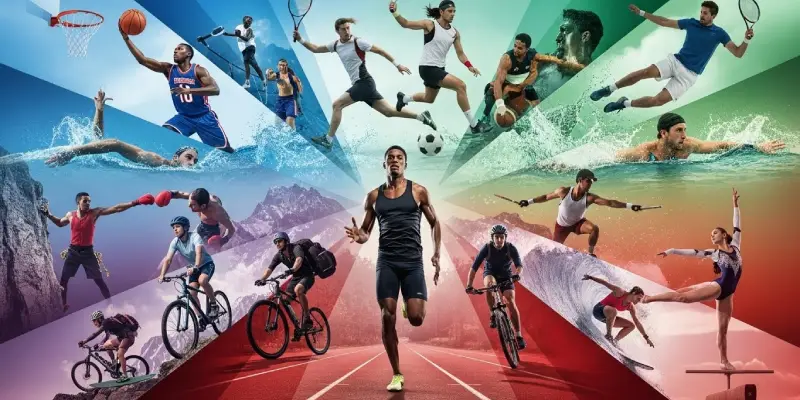
Competition gets a bad rap sometimes, but healthy competition teaches invaluable lessons. The Role of Sports in Youth Development includes learning how to compete with integrity.
Learning to Handle Success
Winning teaches kids to be gracious, to recognize others’ contributions, and to understand that success requires continued effort. The kid who scores the winning goal but forgets to thank the teammate who assisted? They learn quickly about humility.
Sports teach that today’s victory doesn’t guarantee tomorrow’s success. You’re only as good as your next game. That keeps kids grounded and motivated.
Processing Failure Productively
Even more important: sports teach kids how to lose. How to fail. How to fall short and get back up.
Every athlete faces defeat. Missing the game winning shot. Losing the championship. Not making the team. These moments hurt, but they’re incredibly valuable. The Role of Sports in Youth Development includes providing controlled environments where failure isn’t devastating but educational.
Kids learn that losing doesn’t define them. That setbacks are temporary. That effort matters even when results disappoint. These lessons transfer everywhere failed tests, rejected job applications, relationship struggles.
Building Work Ethic
Sports create direct connections between effort and results. Practice more, play better. Train harder, get stronger. Skip workouts, fall behind. It’s clear and immediate.
This teaches work ethic in ways lectures never could. Kids see teammates who work harder improving faster. They experience the satisfaction of earned success versus unearned participation trophies.
The Role of Sports in Youth Development establishes early understanding that nothing worthwhile comes easy, but hard work produces results. That’s a lesson that shapes entire careers.
Different Sports, Different Benefits
Team sports (soccer, basketball, volleyball) build social skills and cooperation. Individual sports (swimming, tennis, track) develop self discipline and personal responsibility. Combat sports (martial arts, wrestling) teach respect and confidence. Endurance sports (cross country, cycling) build mental toughness.
The Role of Sports in Youth Development varies by sport type, so matching kids with activities that fit their personality and needs creates better experiences. Try different options before committing to find the right fit.
Age Appropriate Sports Participation
Early Childhood (Ages 5-8)
Focus on fun, basic skills, and variety. Sports should feel like play. Multiple sports expose kids to different movements. The Role of Sports in Youth Development here builds positive associations with physical activity. Best activities include soccer, swimming, gymnastics, and T-ball.
Middle Childhood (Ages 9-12)
Kids can handle more structure, actual strategy, and position-specific training. The Role of Sports in Youth Development expands to tactical thinking and specialized skills. Team sports with defined positions and competitive leagues work well.
Adolescence (Ages 13-18)
Teenagers can specialize if they choose, compete at higher levels, and take leadership roles. Sports become part of identity formation during these years.
Overcoming Common Barriers
Parents often face real obstacles getting kids into sports. Let’s address them honestly.
Cost Concerns
Sports can be expensive. Equipment, league fees, travel costs add up fast. But options exist at every budget level.
Solutions
- Public recreation programs (usually affordable)
- School sports (included in education)
- Community leagues (lower cost than private clubs)
- Equipment sharing or second hand gear
- Scholarship programs many organizations offer
The Role of Sports in Youth Development is too important to let cost be the only barrier. Communities increasingly recognize this and create accessible options.
Time Constraints
Busy families struggle fitting sports into packed schedules. Between school, homework, activities, and family time, adding sports feels overwhelming.
Reality check
Kids spend an average of 7 hours daily on screens. We have time. We need to prioritize it differently. Start small. One practice weekly. Weekend games. Build from there.
The Role of Sports in Youth Development doesn’t require 20 hour training weeks for most kids. Consistent moderate participation beats sporadic intense involvement.
Fear of Injury
Parents worry about injuries, especially in contact sports. That concern is valid but shouldn’t prevent all athletic participation.
Perspective
- Proper coaching reduces injury risk significantly
- Protective equipment when used correctly works
- Learning to fall, brace, and protect yourself IS a life skill
- Inactivity carries its own health risks
Choose age appropriate sports, ensure proper supervision, use correct equipment. The benefits of the Role of Sports in Youth Development far outweigh the manageable risks.
Lack of Natural Ability
“My kid isn’t athletic” stops many parents. But sports aren’t just for natural athletes. They’re for everyone.
Not every kid becomes a star. Most won’t. But every kid can improve, can be part of a team, can learn discipline, can build confidence. The Role of Sports in Youth Development works regardless of talent level.
Find the right fit. The unathletic kid might love swimming, rock climbing, or martial arts even if team sports don’t click.
Creating Positive Sports Experiences
How sports are taught matters as much as what sports are taught. The Role of Sports in Youth Development depends heavily on coaching quality and environmental factors.
Finding Good Coaches
Great coaches understand they’re developing people, not just players. They prioritize:
- Positive reinforcement over constant criticism
- Teaching effort and improvement over winning
- Individual development alongside team success
- Character building through sport
Bad coaches can turn kids off sports forever. Good coaches create experiences that shape lives positively.
Balancing Competition and Fun
Sports should challenge kids without crushing them. Competition teaches valuable lessons, but shouldn’t eliminate joy.
Signs of healthy balance:
- Kids still enjoy practices and games
- Wins and losses don’t devastate
- Effort gets praised regardless of outcome
- Individual improvement gets celebrated
The Role of Sports in Youth Development includes keeping sports in proper perspective. It’s serious but shouldn’t be oppressive.
Parent Involvement Guidelines
Parents can make or break youth sports experiences. Good behaviors include attending games when possible, praising effort over results, and letting coaches coach. Harmful behaviors include living vicariously through kids, criticizing during games, and overemphasizing winning.
Understanding the Role of Sports in Youth Development means parents recognize they’re supporting their child’s journey, not directing it. The Role of Sports in Youth Development succeeds when parents maintain healthy boundaries and positive encouragement.
Long term Impact Into Adulthood
The benefits of youth sports don’t stop at age 18. They compound over lifetimes.
Career and Professional Benefits
Adults who played youth sports often show:
- Stronger work ethic
- Better teamwork skills
- Leadership capabilities
- Ability to handle pressure
- Resilience in setbacks
- Time management skills
Employers increasingly value these traits. The Role of Sports in Youth Development creates professional advantages that last entire careers.
Health Benefits Across Lifespan
Kids who develop fitness habits maintain them better as adults. They’re more likely to:
- Stay physically active throughout life
- Have lower obesity rates
- Experience fewer chronic diseases
- Maintain better mental health
- Live longer, healthier lives
The Role of Sports in Youth Development literally extends and improves life quality for decades after childhood ends.
Social Networks and Relationships
Many adults’ closest friendships formed through youth sports. Those bonds often outlast school connections, workplace relationships, and even some family ties.
Sports teach relationship skills loyalty, communication, conflict resolution, celebration, commiseration that transfer to all relationships throughout life.
Making Sports Work for Your Family
Start conversations by exposing kids to different sports, letting them choose activities, and emphasizing fun over performance. Set age appropriate goals focusing on effort and attitude rather than just outcomes.
When disappointments happen, acknowledge feelings, process together, find lessons, and maintain perspective. The Role of Sports in Youth Development includes learning to handle setbacks productively. Every failure becomes a teaching moment when approached correctly.
Conclusion
The Role of Sports in Youth Development extends far beyond games and trophies. We’re building the next generation their character, health, and resilience.
Sports aren’t magic, but they provide experiences that significantly increase kids’ chances of becoming healthy, capable, confident adults. The shy kid who finds confidence, the unfocused student who learns discipline, the lonely child who finds belonging these transformations happen constantly.
Understanding the Role of Sports in Youth Development helps parents and communities make better choices in a world full of screens and isolation. Whether you’re signing up your kid for soccer or coaching a youth team, you’re not just teaching games. You’re building people.
The Role of Sports in Youth Development gives kids tools and foundations that help them become their best selves. And that’s worth investing in.
FAQs
Q1: At what age should kids start playing sports?
Kids can start basic sports activities around age 4-5, with formal organized sports working best from age 6 onwards.
Q2: How many sports should a child play?
Young children benefit from trying multiple sports; specialization (if desired) can happen around age 12-14 based on interest.
Q3: What if my child isn’t naturally athletic?
The Role of Sports in Youth Development works for all ability levels focus on effort, improvement, and enjoyment rather than talent.
Q4: How much time should kids spend on sports weekly?
Elementary kids: 3-5 hours, middle schoolers: 5-8 hours, high schoolers: 8-12 hours depending on competitiveness and interest.
Q5: Are team sports better than individual sports?
Neither is universally better team sports build collaboration while individual sports develop self-reliance; both contribute to youth development.
Q6: How do sports help with mental health?
Sports reduce anxiety and depression through physical activity, social connection, goal achievement, and stress management skill development.
Q7: What’s the biggest benefit of youth sports?
While physical health matters, the Role of Sports in Youth Development most powerfully builds character, resilience, and life skills.
Q8: How do I choose the right sport for my child?
Consider their interests, personality, physical abilities, and try several options before committing to focus on one or two.
Q9: Should kids play sports year round?
Breaks prevent burnout seasonal variety or planned off seasons help maintain enthusiasm and reduce overuse injuries.
Q10: How do sports impact academic performance?
Sports generally improve academics through better focus, time management, discipline, and cognitive benefits from physical activity.
Sports reveal character but playing sports absolutely shapes it in ways that last forever.