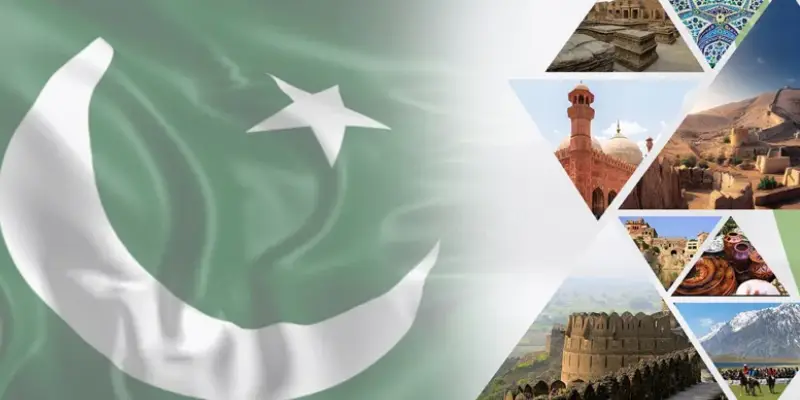

You know what hits me every time I think about Pakistan? It’s like walking into a room where everyone’s speaking a different language, wearing different clothes, cooking different foods, yet somehow, they’re all family. That’s the magic of this land.
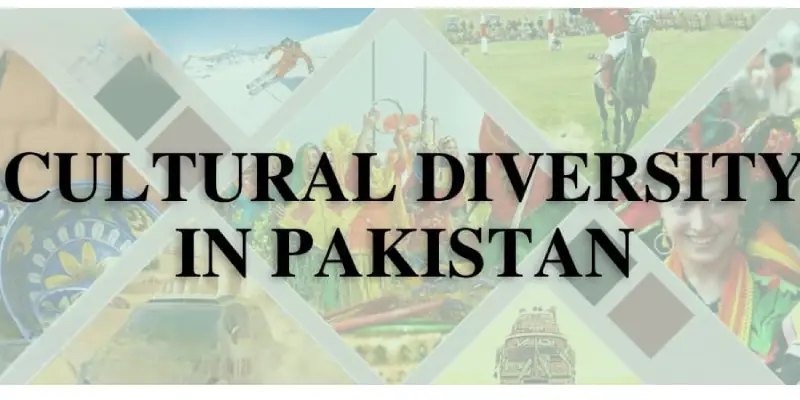
Why Pakistan’s Cultural Tapestry Matters
Picture this: you’re standing at the Wagah border at sunset. The energy, the pride, the colors. Now travel north to Hunza where apricot blossoms paint the valleys white.
Then swing by Karachi where the Arabian Sea whispers stories of traders from centuries past. Each place feels like a different country, yet they’re all Pakistan.
The Cultural Diversity of Pakistan isn’t just about statistics or facts. It’s about real people, real stories, and traditions that have survived empires, invasions, and time itself.
When we talk about the Cultural Diversity of Pakistan, we’re talking about over 220 million people who call this place home, each adding their own flavor to the mix.
The Language Symphony
Here’s something wild if you drive from Karachi to Khyber, you’ll hear the language change every few hundred kilometers. Urdu might be our national language, but it’s just one voice in a massive choir.
Languages That Color Pakistan
| Language | Region | Speakers (Approx.) | Unique Feature |
|---|---|---|---|
| Punjabi | Punjab | 80 million | Most widely spoken provincial language |
| Pashto | Khyber Pakhtunkhwa, Balochistan | 40 million | Poetry tradition spans centuries |
| Sindhi | Sindh | 30 million | Ancient script and Sufi literature |
| Balochi | Balochistan | 8 million | Oral storytelling tradition |
| Saraiki | Southern Punjab | 20 million | Distinct musical heritage |
| Urdu | Nationwide | 75 million (native) | National language, lingua franca |
| Hindko | KPK regions | 5 million | Bridge between Punjabi and Pashto |
| Brahui | Balochistan | 2.5 million | Dravidian language in Indo-Iranian region |
My friend Ayesha from Lahore married someone from Quetta. She told me their wedding was hilarious because her grandmother only spoke Punjabi, his grandmother only spoke Balochi, and they communicated through smiles and food. That’s Pakistan for you.
The Cultural Diversity of Pakistan shines through language. Walk through any Pakistani market and you’ll hear this beautiful chaos: vendors shouting in Punjabi, customers bargaining in Urdu, someone’s grandmother scolding kids in Pashto, all while a Sindhi folk song plays from a nearby radio.
The linguistic landscape of Pakistan reflects how the Cultural Diversity of Pakistan creates spaces where multiple identities coexist.
Provincial Identities & Their Treasures
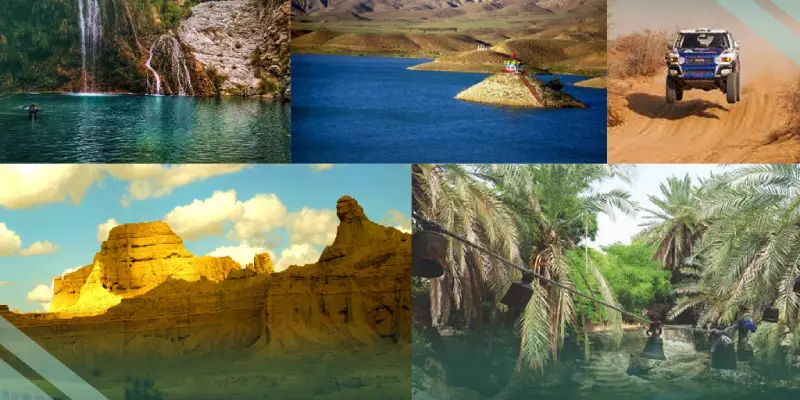
1. Punjab: The Heartland
Punjab doesn’t just feed Pakistan, it feeds your soul. The Bhangra beats during harvest season, the warmth of a rural village where chai is always brewing, the Sufi shrines where Thursday nights turn into spiritual concerts.
Punjabi culture gave us Bulleh Shah, whose poetry still makes people question everything they thought they knew about religion and love. The Cultural Diversity of Pakistan has roots deep in Punjab’s soil, where farmers and poets have walked the same land for generations.
Visit Lahore’s Walled City and you’ll see how the Cultural Diversity of Pakistan manifests in architecture alone Mughal, Sikh, British, and modern Pakistani all layered on top of each other.
2. Sindh: Where Rivers Meet History
Sindh is old. Like, really old. Mohenjo Daro old. The Indus River has been flowing through here for thousands of years, and somehow, the culture absorbed all that time.
Sindhi Ajrak (the block-printed shawl) isn’t just fabric. People wear it to weddings, funerals, protests, celebrations. It’s identity wrapped around your shoulders. And the Sindhi topi? That distinctive cap tells stories of resistance and pride.
Shah Abdul Latif Bhittai’s shrine in Bhit Shah becomes a universe of music every evening. The Cultural Diversity of Pakistan pulses through Sindh’s veins, where Hindu temples stand near Sufi shrines, where fisherfolk and landlords share the same festivals.
The way Sindh preserves its traditions while embracing modernity showcases how the Cultural Diversity of Pakistan isn’t stuck in the past.
3. Khyber Pakhtunkhwa: Mountains & Codes
KPK is where hospitality becomes a religion. Pashtunwali (the Pashtun code of honor) might sound ancient, but it governs daily life. Melmastia (hospitality) means you feed your guest even if you go hungry. That’s not a metaphor, people actually do that.
The Cultural Diversity of Pakistan gets rugged in these mountains. Every valley has its own dialect, its own dance, its own way of embroidering clothes.
The Khattak dance, performed with swords, isn’t just entertainment. It’s history in motion, stories of warriors told through footwork. Understanding the Cultural Diversity of Pakistan means understanding that a Pashtun’s word is his bond, that tea in these mountains comes with stories that last hours.
4. Balochistan: The Untold Stories
Balochistan is Pakistan’s largest province but least populated. That space creates something special. The Baloch people have preserved their culture against all odds.
Balochi embroidery is insane. The level of detail, the mirror work, the colors each piece takes months. Women pass down patterns through generations, no written instructions, just memory and skill.
The Cultural Diversity of Pakistan stretches widest in Balochistan, where you’ll find Baloch, Pashtun, Brahui, and Hazara communities, each maintaining distinct identities.
The way different ethnic groups in Balochistan contribute to the Cultural Diversity of Pakistan shows that unity doesn’t require uniformity.
Festivals That Bind Us
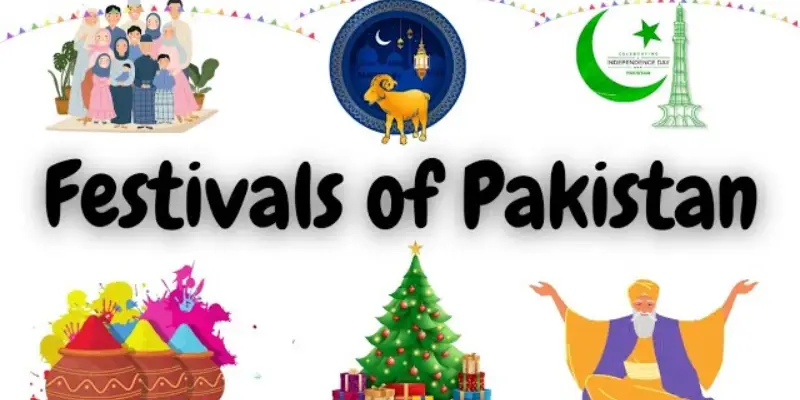
Religious Celebrations
Eid isn’t just one thing in Pakistan. In Punjab, it’s about visiting graves first thing in the morning. In Sindh, there’s this tradition of wearing new clothes down to your socks. In KPK, the entire village might gather for communal prayers in open fields.
Ramadan transforms the country. Streets empty before iftar, then explode with life after. The Cultural Diversity of Pakistan means breaking fast looks different everywhere Karachi has its boat basin iftar, Lahore has its food street, Peshawar has its chapli kebabs, each city adding its flavor. During religious festivals, you see how the Cultural Diversity of Pakistan creates shared experiences with regional twists.
Cultural Festivals
| Festival | Region | Significance | Best Time to Visit |
|---|---|---|---|
| Basant | Punjab | Spring celebration, kite flying | February-March |
| Shandur Polo Festival | Gilgit Baltistan | World’s highest polo ground | July |
| Urs of Lal Shahbaz Qalandar | Sindh | Sufi saint commemoration | Varies (lunar calendar) |
| Chilam Joshi | Kalash Valley | Spring thanksgiving | May |
| Lok Mela | Islamabad | National folk festival | November |
| Sibi Mela | Balochistan | Cultural fair & cattle show | February |
The Kalash festivals deserve special mention. This tiny community in Chitral valley has preserved pre-Islamic traditions for centuries. Their spring festival, Chilam Joshi, involves music, dancing, and rituals that seem frozen in time.
Food: Where Culture Gets Delicious
Talk about the Cultural Diversity of Pakistan and you have to talk about food. Our cuisine is basically a history lesson you can eat.
Regional Flavors
Punjab does hearty. Sarsoon ka saag with makki ki roti in winter, lassi thick enough to stand a spoon in, nihari that’s been simmering since before dawn. Lahori breakfast culture is its own religion paye, halwa puri, chanay, all before 9 AM.
Sindh brings the heat and the seafood. Sindhi biryani isn’t like other biryanis it’s got potatoes, prunes, and enough spices to make you sweat. And if you’re near the coast, the fish is so fresh it was swimming that morning.
KPK keeps it simple but powerful. Chapli kebab, namkeen karahi, peshawari naan. The meat is always halal, always fresh, and cooked over wood fire that adds this smoky flavor you can’t replicate.
Balochistan has sajji whole lamb marinated and roasted to perfection. It’s not just food, it’s an event. People gather, stories are shared, and that lamb disappears.
The Cultural Diversity of Pakistan shows up on every plate, where Mughal influences meet Central Asian techniques, where coastal communities add their catch, where mountain people preserve meat in ways their ancestors invented.
Street food alone demonstrates the Cultural Diversity of Pakistan karachi’s bun kebab, Lahore’s gol gappa, Peshawar’s kabuli pulao, all claiming space in our collective stomach.
Tea Culture Across Pakistan
Everyone drinks chai, but how they drink it tells you where they’re from. Kashmiri chai (pink, salty, topped with crushed nuts) versus doodh patti (milk tea, sweet, strong enough to wake the dead) versus Quetta’s green tea served with almonds.
Traditional Crafts & Artistic Heritage
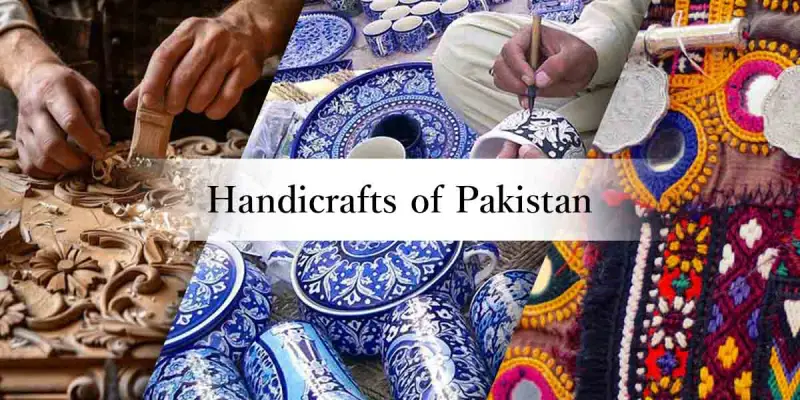
Textile Arts
| Craft | Region | Specialty | Time to Complete |
|---|---|---|---|
| Truck Art | Nationwide | Vehicle decoration | 2-3 months per truck |
| Ralli/Rilli | Sindh | Patchwork quilts | 3-6 months |
| Phulkari | Punjab | Floral embroidery | 1-4 months |
| Balochi Needlework | Balochistan | Mirror work embroidery | 4-8 months |
| Swati Shawls | KPK | Hand-woven shawls | 2-3 weeks |
| Blue Pottery | Multan | Glazed ceramics | Varies |
Pakistani truck art deserves global recognition. These vehicles become moving galleries every inch painted with flowers, calligraphy, portraits, geometric patterns, poetry. “Dekh Magar Pyar Se” (Look But With Love) written on the back of a truck hauling cement? That’s art meeting philosophy on the highway.
The Cultural Diversity of Pakistan lives in these crafts, where techniques passed down through generations meet modern creativity. Each region’s traditional crafts add depth to the Cultural Diversity of Pakistan, preserving skills that might otherwise disappear.
Music & Dance Forms
Music in Pakistan is regional, seasonal, spiritual, and secular all at once. Qawwali transcends boundaries whether it’s Nusrat Fateh Ali Khan or the Sabri Brothers, when those harmoniums start and voices soar, everyone’s moved.
Classical music has gharanas (schools) Gwalior, Patiala, each with distinct styles. Then there’s folk music: Sindhi kafi, Punjabi boliyan, Balochi lewa, Pashto tapey. Each tells stories of love, separation, harvest, war, longing.
Architectural Wonders
The Cultural Diversity of Pakistan is literally built into the landscape. Lahore Fort shows Mughal grandeur. Mohenjo-Daro whispers about urban planning from 2500 BCE. Makli Necropolis near Thatta has tombs and monuments spanning multiple architectural styles and centuries.
Badshahi Mosque, Faisal Mosque, Shah Jahan Mosque each represents different eras and aesthetic philosophies. Then you’ve got Baltit Fort in Hunza, over 700 years old, showing Central Asian influences.
The havelis of old cities, with their carved wooden balconies and inner courtyards, represent how the Cultural Diversity of Pakistan created living spaces that balanced privacy, family life, and community.
Clothing & Fashion Identity
Walk through any Pakistani city and the variety hits you. Women in burqas, in jeans, in shalwar kameez, in sarees, all sharing the same sidewalk. Men in shalwar kameez, in suits, in traditional Balochi dress with turbans.
Each province has signature styles:
- Punjabi: Colorful dupattas, paranda in braids, juttis (embroidered shoes)
- Sindhi: Ajrak and topi, mirror work on shirts
- Balochi: Heavy embroidery, loose shalwar, distinctive jewelry
- Pashtun: Simple shalwar kameez, pakol (woolen cap), waistcoats
- Gilgit-Baltistan: Woolen clothing, unique cap styles, practical mountain wear
Marriage Traditions
Pakistani weddings aren’t events, they’re productions. But how they unfold depends heavily on where you are.
Punjabi weddings might have mehndi, mayun, barat, walima, and several other events. Pashtun weddings emphasize simplicity (in theory) but still involve elaborate customs. Sindhi weddings have katchee misri where families exchange sugar crystals as a commitment.
The Cultural Diversity of Pakistan means wedding traditions vary wildly, yet certain elements remain constant henna, music, food mountains, and families coming together.
These celebrations showcase how the Cultural Diversity of Pakistan allows each community to maintain distinct practices while sharing in collective joy.
Religious Harmony & Spiritual Diversity
Pakistan is majority Muslim, but that’s not the whole story. There are Christians, Hindus, Sikhs, Zoroastrians, each contributing to the Cultural Diversity of Pakistan.
Sufi shrines draw people regardless of religion. Data Darbar in Lahore, Lal Shahbaz Qalandar in Sehwan, Abdullah Shah Ghazi in Karachi these places pulse with spiritual energy that crosses sectarian and religious lines.
The Cultural Diversity of Pakistan includes Shia, Sunni, Ahmadi, Ismaili Muslim communities, each with distinct practices and traditions. Churches in Lahore, Hindu temples in Sindh, Gurdwaras being restored these spaces matter to the full picture.
The Youth & Modern Culture
Young Pakistanis are creating something new. They’re rappers in Lyari mixing Balochi with hip hop. They’re fashion designers in Karachi reimagining traditional crafts. They’re tech entrepreneurs in Lahore building apps. They’re farmers in Punjab using social media to sell directly to customers.
This generation isn’t abandoning tradition; they’re remixing it. That’s the Cultural Diversity of Pakistan evolving in real time. They’re taking what their grandparents gave them and making it relevant for today. The digital age has amplified how the Cultural Diversity of Pakistan expresses itself globally.
Challenges & Preservation
Real talk: maintaining this diversity isn’t easy. Urbanization pulls people from villages where traditions lived. Education sometimes prioritizes English over mother tongues. Economic pressure makes it hard for artisans to continue traditional crafts when factory goods are cheaper.
But people are fighting back. NGOs document dying languages. Cooperatives support traditional artisans. Festivals celebrate regional cultures. Social media helps preserve and share customs that might otherwise fade.
The Food Scene Revolution
Pakistani food has gone global, but at home, there’s a revolution. Young chefs are documenting regional recipes, food bloggers are exploring forgotten cuisines, restaurants are highlighting provincial specialties beyond the usual suspects.
Hunza’s traditional dishes, Balochistan’s sajji, KPK’s charsi karahi, Sindh’s seyyal mani these aren’t just sustenance, they’re cultural documents. When a grandmother teaches her granddaughter to make haleem the old way, that’s the Cultural Diversity of Pakistan being preserved through taste and technique.
Sports & Regional Variations
Cricket unites Pakistan, but traditional sports tell regional stories. Kabaddi in Punjab, polo in Gilgit-Baltistan (the world’s highest polo ground is in Shandur), wrestling in various forms across provinces. These aren’t just games; they’re cultural practices with centuries of history.
The Influence of Geography
Pakistan’s geography shaped its culture. The mountains of the north created isolated communities with unique traditions. The plains of Punjab encouraged agriculture and the cultures that develop around farming cycles.
The coast influenced Sindh and Balochistan’s relationship with trade and the sea. The Cultural Diversity of Pakistan is literally carved by rivers, mountains, and deserts.
Literature & Storytelling
Every language in Pakistan has its literary tradition. Urdu poetry from Ghalib and Iqbal. Punjabi from Waris Shah (Heer Ranjha is the Romeo and Juliet of Punjab). Sindhi from Shah Latif. Pashto from Rahman Baba. These aren’t just books; they’re how people understand love, loss, God, and life.
Storytelling traditions continue. Dastangoi (oral storytelling) is being revived. Folk tales differ by region but share themes love that crosses boundaries, tricksters who outsmart the powerful, saints who perform miracles, warriors who sacrifice everything.
Environmental & Seasonal Festivals
Pakistan’s agricultural calendar creates cultural markers. Wheat harvest in Punjab brings celebrations. Cotton picking in Sindh has its own traditions.
The arrival of mangoes in summer is practically a national event, with each region claiming their variety is superior (Sindhri vs. Chaunsa vs. Anwar Ratol the debate continues).
The Role of Hospitality
Regardless of province, ethnicity, or language, hospitality is sacred in Pakistan. The Cultural Diversity of Pakistan shares this common thread guests are blessings.
Whether it’s a Punjabi village, a Pashtun tribe, a Baloch home, or a Sindhi household, you’ll be fed, offered the best seat, and treated like family.
This hospitality comes from multiple sources Islamic teachings about treating guests, cultural codes like Pashtunwali, and just something fundamental about how people here understand community and responsibility to strangers.
Contemporary Cultural Expression
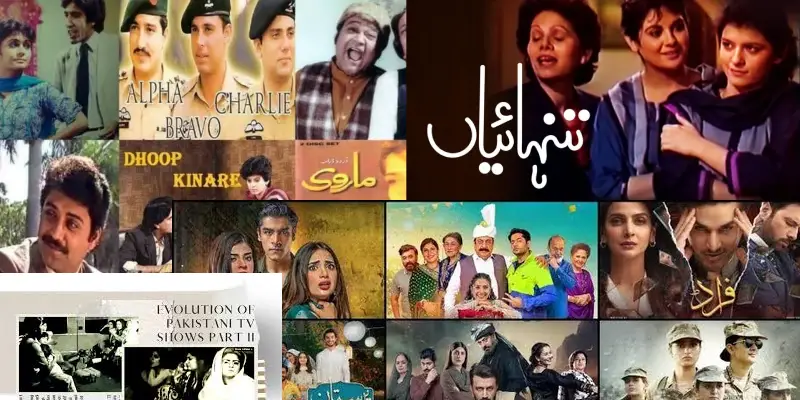
Pakistani dramas have become cultural ambassadors, showing family dynamics, regional differences, and social issues. They’re watched across borders, creating soft power through storytelling.
Music, from Coke Studio to underground metal bands, showcases the Cultural Diversity of Pakistan traditional instruments meet electronic beats, classical ragas meet rock guitars.
Fashion weeks in Karachi and Lahore feature designers who pull from regional traditions. You’ll see Sindhi ajrak reimagined as modern jackets, Balochi embroidery on contemporary silhouettes, Swati textile patterns on runway pieces.
The Diaspora Connection
Pakistanis abroad maintain connections to their regional cultures while creating new hybrid identities. British Pakistanis, American Pakistanis, Middle Eastern Pakistanis they’re all ambassadors of the Cultural Diversity of Pakistan, taking pieces of home and mixing them with their new environments.
Key Takeaways for Travelers & Culture Enthusiasts
If you want to experience the Cultural Diversity of Pakistan, here’s what I’d suggest:
Don’t just visit the famous spots. Yes, see Badshahi Mosque and Faisal Mosque, but also find the small shrines, the neighborhood food stalls, the craft markets where old men still practice trades their fathers taught them.
Learn a few words in different languages. “Sat sri akal” in Punjab, “As-salamu alaykum” everywhere, “Khushal me?” in Pashto. Watch people’s faces light up when you try.
Eat everything. Street food, home cooking, restaurant fusion. Your stomach might protest, but your soul will thank you. Attend a local festival if you can. Whether it’s a Sufi urs, a village mela, or a modern music festival, you’ll see Pakistan celebrating itself.
Talk to people. Pakistanis are storytellers. Ask questions, listen to responses, and be ready for chai and probably an invitation to someone’s home.
Remember that the Cultural Diversity of Pakistan isn’t a museum exhibit. It’s living, breathing, evolving. The teenager using TikTok to share Balochi recipes is part of this story just as much as the 90 year old weaving carpets in Multan.
Conclusion
The Cultural Diversity of Pakistan | Traditions, Languages & Heritage represents more than tourism material or academic study. It’s the daily reality of millions of people navigating multiple identities, preserving old traditions while creating new ones, honoring their ancestors while building futures for their children.
This diversity is Pakistan’s superpower. It makes us resilient, creative, adaptable. It means we can find common ground with people worldwide because we’ve been finding common ground with each other for decades.
Understanding the Cultural Diversity of Pakistan means understanding that a country can be many things at once. Conservative and progressive. Ancient and modern. Unified and diverse.
It means recognizing that strength doesn’t come from uniformity but from learning to harmonize different voices into something greater than any single note.
So whether you’re Pakistani trying to understand your own country better, or someone from anywhere else trying to understand us, remember this: Pakistan isn’t easy to define because it refuses to be just one thing. And honestly? That’s exactly how we like it.
FAQs
Q1: What makes the Cultural Diversity of Pakistan unique?
Pakistan has over 70 languages, multiple ethnic groups, and traditions spanning thousands of years all coexisting in one nation.
Q2: How many major languages are spoken in Pakistan?
The Cultural Diversity of Pakistan includes Urdu, Punjabi, Pashto, Sindhi, Balochi, Saraiki, and dozens of regional dialects.
Q3: What are the main provinces of Pakistan?
Pakistan has four provinces Punjab, Sindh, Khyber Pakhtunkhwa, and Balochistan, plus Gilgit Baltistan and Azad Kashmir.
Q4: Which festival best represents Pakistani culture?
No single festival represents all of Pakistan; the Cultural Diversity of Pakistan means each region celebrates differently.
Q5: What is the national language of Pakistan?
Urdu is the national language, but the Cultural Diversity of Pakistan means most people speak their regional language at home.
Q6: Is Pakistani food the same everywhere?
No, each province has distinct cuisines reflecting the Cultural Diversity of Pakistan from Punjabi curries to Balochi sajji.
Q7: What traditional crafts is Pakistan famous for?
Truck art, Sindhi ajrak, Balochi embroidery, Punjabi phulkari, and blue pottery showcase the Cultural Diversity of Pakistan.
Q8: How does religion influence Pakistani culture?
Islam is dominant, but Sufi traditions, regional customs, and minority religions add layers to the Cultural Diversity of Pakistan.
Q9: What role do weddings play in Pakistani culture?
Weddings are massive celebrations where the Cultural Diversity of Pakistan shines through different regional customs and traditions.
Q10: Can tourists experience Pakistan’s cultural diversity?
Absolutely, travelers can explore the Cultural Diversity of Pakistan through food tours, festivals, craft markets, and regional travel.
The Cultural Diversity of Pakistan continues to evolve, with each generation adding its chapter to this ongoing story. What remains constant is the spirit warm, welcoming, complex, and utterly unforgettable.