

My neighbor’s daughter, who’s in 9th grade, came to me last month with a question for her computer class project.
“Uncle, my teacher wants me to explain how artificial intelligence works,” she said. “But every article I read uses words I don’t understand. Can you explain it like I’m talking to a friend?”
Perfect question! If you’re confused about how artificial intelligence works, you’re definitely not alone. Everyone’s talking about it, but not many people explain it in plain, simple language.
So today, I’m going to explain how artificial intelligence works exactly the way I explained it to her no confusing technical words, no complicated jargon. Just simple, honest explanations that anyone can understand.
Whether you’re a student working on a project, a parent trying to understand what your kids are learning, or just someone curious about technology, this guide is for you. Let’s figure out how artificial intelligence works together.
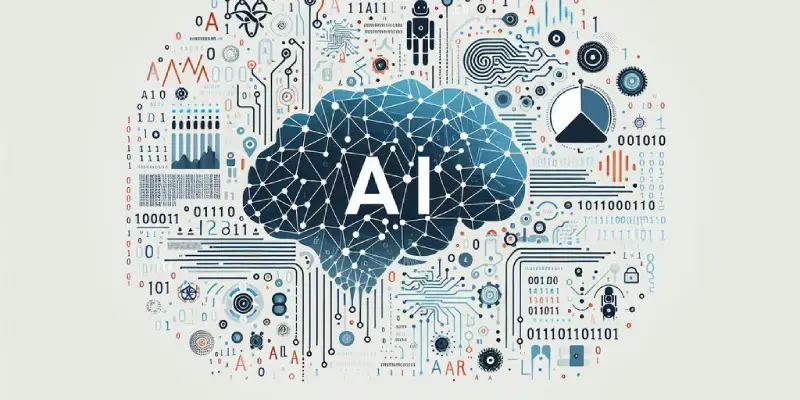
What is AI and How Does It Work?
Before we dive into how artificial intelligence works, let’s start with the basics. What is this technology everyone keeps talking about?
Think about the things you do every day that require thinking. Recognizing your friend’s face in a crowd. Understanding when someone is being sarcastic. Deciding which route to take to avoid traffic. Learning from your mistakes.
All these things need intelligence, right? Your brain does them naturally.
Now imagine teaching a computer or a machine to do similar things. That’s what happens when we look at how artificial intelligence works. It’s making machines and computer programs smart enough to do tasks that normally need human thinking.
When your phone’s camera recognizes faces and focuses on them, that’s how artificial intelligence works in your device. When Netflix suggests shows you might like, that’s how artificial intelligence works to keep you entertained.
When your email automatically filters spam, that’s how artificial intelligence works behind the scenes. Understanding how artificial intelligence works becomes easier when you realize it’s all around you, helping with everyday tasks.
A Simple Explanation of How Artificial Intelligence Works
Let me explain how artificial intelligence works using something you already know.
Remember learning to ride a bicycle? At first, you fell down a lot. But your brain learned from each fall. You adjusted your balance, figured out when to pedal harder, when to brake. Eventually, riding became automatic.
That’s similar to how artificial intelligence works. Except instead of a human brain learning, it’s a computer program learning from data and experience.
The computer doesn’t actually “think” like you do. It doesn’t get scared of falling or feel happy about success. But it can learn patterns and improve at tasks over time, which is exactly how artificial intelligence works.
When you chat on messenger and make a typo, autocorrect fixes it. How? Because that’s how artificial intelligence works – it has seen millions of typing mistakes before and learned what people usually mean.
That’s how artificial intelligence works at its core systems that can learn from examples and get better at specific tasks.
How Does Artificial Intelligence Actually Work?
Now let’s break down how artificial intelligence works step by step. Don’t worry, I’ll keep it simple.
Step 1: Collecting Data
First, AI needs information to learn from. Lots and lots of information. Think of data as textbooks for the AI. Just like you can’t become a doctor without reading medical books, AI can’t learn without data.
This data can be anything pictures, videos, text messages, numbers, voice recordings. The more quality data you give it, the better it learns. Understanding how artificial intelligence works means understanding that it’s hungry for data. No data means no learning.
Step 2: Finding Patterns
Once the AI has data, it starts looking for patterns. Imagine you’re trying to learn what makes a good student. You look at 1,000 students and notice patterns. Good students usually attend classes regularly, submit homework on time, ask questions when confused.
AI does the same thing, but with millions of examples and way faster than humans. If you’re training AI to recognize cats in pictures, it looks at thousands of cat photos and finds patterns. Pointy ears? Whiskers? Fur? Four legs? Certain shapes and colors?
This pattern recognition is crucial to how artificial intelligence works and how it learns.
Step 3: Learning Through Machine Learning
Here’s where it gets interesting. AI uses something called machine learning to improve over time. Think of machine learning as practice. The more you practice cricket, the better you get at batting. The more examples AI sees, the better it gets at its task.
You show the AI 10,000 pictures of cats. At first, it makes lots of mistakes. “Is this a cat?” It guesses. You tell it yes or no. It adjusts its understanding based on your feedback.
After seeing enough examples and getting enough feedback, it becomes really good at identifying cats, even in pictures it has never seen before. This learning process is a fundamental part of how artificial intelligence works and how it becomes useful.
Step 4: Making Decisions
Finally, after learning from all that data, AI can make decisions or predictions. When you ask Siri about the weather, it processes your voice, understands what you’re asking, and gives you an answer.
When Amazon recommends products, it decides what you might like based on what you’ve bought before. These aren’t random guesses. They’re decisions based on patterns the AI learned from massive amounts of data.
That’s how artificial intelligence works in action using learned patterns to make useful decisions.
Different Types: Understanding How Artificial Intelligence Works in Different Ways
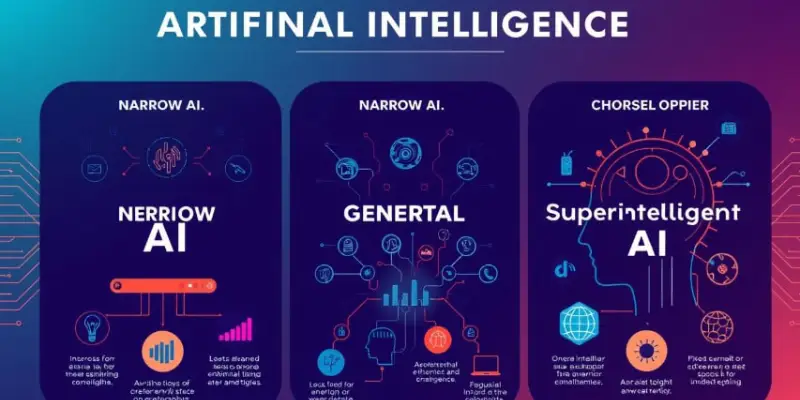
Not all AI is the same. Let me explain the two main types so you understand how artificial intelligence works in different forms.
Narrow AI (Also Called Weak AI)
This is how artificial intelligence works in 2026 AI that’s really good at one specific task but useless at anything else. Your phone’s face unlock? That’s narrow AI. It’s amazing at recognizing your face but can’t do anything else.
Siri and Alexa understanding your voice commands? Narrow AI. They’re great at that one job but can’t suddenly start driving cars or diagnosing diseases.
Netflix recommendations, Google Translate, spam filters, chess programs all narrow AI. Each does its specific job brilliantly but nothing beyond that.
This is 99.9% of how artificial intelligence works today. Every AI you interact with daily is narrow AI, designed and trained for one particular task.
General AI (Also Called Strong AI)
This is what artificial intelligence would be if it could do anything a human can do.
Imagine one AI system that could cook dinner, write poetry, solve math problems, have deep conversations, drive cars, play chess, paint pictures, and learn new skills on its own.
That’s general AI. It would be as flexible and capable as a human brain, able to understand and learn any intellectual task. Here’s the thing though this doesn’t exist yet! It’s still science fiction, like Jarvis from Iron Man movies or Data from Star Trek.
When people worry about robots taking over the world, they’re thinking of general AI. But that’s not how artificial intelligence works in 2026. We’re probably decades away from creating general AI, if it’s even possible.
Also learn about Veo 3 AI by visiting this site here: Veo 3 AI
Real Examples: How Artificial Intelligence Works in Things You Use
Let me show you how artificial intelligence works by pointing out where you already use it without realizing.
Smart Assistants
Siri, Google Assistant, and Alexa are perfect examples of how artificial intelligence works in consumer technology. When you ask “Hey Google, what’s the weather today?” here’s how artificial intelligence works:
- Understands your voice and words
- Figures out what you’re asking
- Knows where you are
- Finds the relevant weather information
- Gives you a useful answer
All of this happens in seconds. That’s how artificial intelligence works behind the scenes.
Recommendations You Get
Ever notice how YouTube always suggests videos you actually want to watch? Or how Netflix seems to know your taste in shows? That’s how artificial intelligence works to keep you entertained. These systems learn from your behavior.
You watched three cooking shows? The AI notices and suggests more cooking content. You skipped all the action movies? It learns you probably don’t like action.
It’s analyzing patterns in what millions of users watch and finding people with similar tastes to yours. Then it recommends what those similar people enjoyed.
Social Media Filters
When you post a photo on Instagram and your friends’ faces automatically get tagged, that’s face recognition AI. The AI learned what your friends look like from thousands of tagged photos. Now it can recognize them in new pictures.
When inappropriate content gets removed from social media, AI often catches it before human moderators even see it. The system learned what violates community guidelines from millions of examples.
This is how artificial intelligence works to keep platforms safer and easier to use.
Healthcare Applications
Doctors now use AI to help diagnose diseases from medical scans. The AI has been trained on millions of X-rays, MRIs, and CT scans. It learned what cancer looks like, what normal healthy tissue looks like, what different diseases look like.
When a doctor shows it a new scan, the AI can spot abnormalities that might be easy to miss. It doesn’t replace the doctor, but it helps them catch things earlier.
That’s how artificial intelligence works in medicine a powerful tool to help save lives.
Self Driving Cars
Cars that can drive themselves use multiple AI systems working together. One AI recognizes traffic lights and signs. Another identifies pedestrians and other vehicles. Another predicts where things are moving. Another makes driving decisions.
All of this happens in real time, processing data from cameras, sensors, and GPS. This is how artificial intelligence works at its most complex multiple systems coordinating to handle a difficult task that changes every second.
Banking and Fraud Detection
When your bank calls about suspicious activity on your card, AI probably noticed it first. The system learned your normal spending patterns. You usually shop in your city, spend moderate amounts, buy from familiar types of stores.
Suddenly there’s a purchase from another country for an unusual amount? The AI flags it as potentially fraudulent. That’s how artificial intelligence works protecting your money learning normal patterns and catching unusual ones.
Why Should You Learn About Artificial Intelligence?
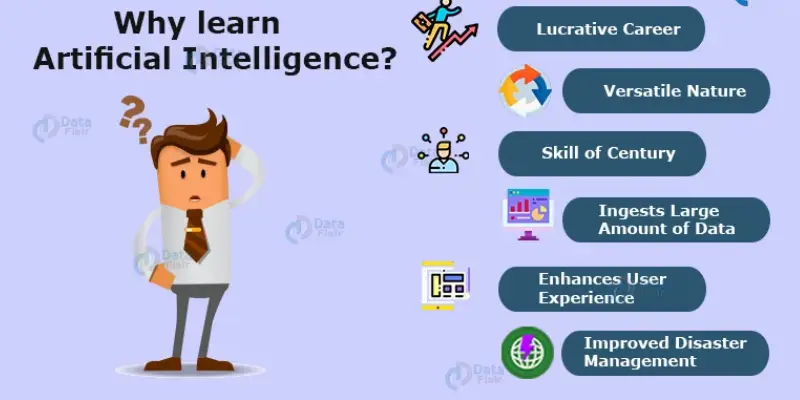
Understanding what artificial intelligence is matters more now than ever. Here’s why.
Jobs Are Changing
Many careers now involve working with or alongside AI. Even if you’re not building AI systems, understanding how artificial intelligence works helps you use these tools effectively in your work.
Jobs in AI itself are growing rapidly. Companies need people who understand machine learning, data science, and AI development. If you’re thinking about your future career, learning how artificial intelligence works opens many doors.
It’s Shaping the Future
AI is already changing healthcare, transportation, education, entertainment, and almost every other field you can think of.
Understanding what artificial intelligence is means you’re not just passively experiencing these changes. You can participate in shaping how AI develops and gets used.
The people who understand this technology will have more control over their future in an AI driven world.
Problem Solving Skills
Learning what artificial intelligence is and how it works teaches you to think differently about problems.
You learn to break complex problems into smaller parts. You learn about pattern recognition and data analysis. You understand how to make better decisions with information.
These skills are valuable even if you never work directly with AI.
Making Informed Choices
AI raises important questions. Should AI be used in hiring decisions? Should schools use AI to grade essays? Should police use AI for surveillance?
Understanding what artificial intelligence is helps you have informed opinions on these questions. You can make better choices about the technology you use and support.
Important Terms You Should Know
When learning what artificial intelligence is, you’ll hear these terms often. Here’s what they mean in simple language.
Machine Learning
This is how most AI learns from data and examples rather than being programmed with specific rules.
Instead of telling the computer “if the email says ‘lottery winner,’ it’s spam,” you show it 100,000 spam emails and 100,000 real emails. It figures out the patterns itself.
Machine learning is a core part of how artificial intelligence works in modern applications.
Deep Learning
Think of this as advanced machine learning that uses neural networks (systems inspired by how our brains work).
Deep learning is especially good at recognizing patterns in images, speech, and complex data. It’s what powers face recognition, voice assistants, and language translation.
When people talk about how artificial intelligence works doing impressively well, they’re often talking about deep learning.
Neural Networks
These are systems designed to work somewhat like the human brain, with interconnected nodes that process information.
You don’t need to understand the technical details. Just know that neural networks are the engines behind much of how artificial intelligence works today.
Natural Language Processing
This is AI’s ability to understand and work with human language. When you talk to Siri, when Google Translate converts languages, when your email writes suggested replies – that’s natural language processing.
It’s a crucial part of what artificial intelligence is in communication technology.
Computer Vision
This is AI’s ability to understand and interpret visual information like images and videos. Face recognition, self driving cars seeing the road, medical scans being analyzed all computer vision.
Computer vision is expanding what artificial intelligence is capable of in the visual world.
How to Start Learning: Understanding How Artificial Intelligence Works
Interested in diving deeper into how artificial intelligence works? Here’s how to begin.
Take an AI Course
Many online platforms offer courses explaining what artificial intelligence is, from beginner to advanced levels. Coursera, edX, Udacity, and Khan Academy all have free courses. Universities also offer AI courses online.
Start with beginner courses that don’t require programming knowledge. Learn the concepts first. You can always go deeper later.
Experiment With AI Tools
The best way to understand what artificial intelligence is is to use it yourself. Try ChatGPT and see how it responds. Use image generators like DALL-E. Play with Google’s AI experiments. Use voice assistants more actively.
Hands-on experience builds intuition that reading alone can’t give you.
Read and Stay Updated
AI is evolving rapidly. Reading news, blogs, and books keeps you current. Follow tech news sites. Join AI communities online. Subscribe to YouTube channels that explain AI simply.
Understanding how artificial intelligence works requires keeping up with how it’s changing.
Work on Simple Projects
Once you have basic understanding, try small projects. Train a simple AI to recognize handwritten numbers. Build a basic chatbot. Analyze some data using machine learning tools.
Projects help you truly grasp what artificial intelligence is beyond just theory.
Be Patient With Yourself
Learning what artificial intelligence is takes time. Don’t get discouraged if concepts seem hard at first. Everyone starts confused. Every expert was once a beginner asking basic questions.
Break learning into small chunks. Master one concept before moving to the next. Ask questions when stuck.
Common Myths About Artificial Intelligence
Let me clear up some confusion about what artificial intelligence is and isn’t.
Myth: AI Will Replace All Jobs
Reality: AI will change jobs, not necessarily eliminate them. New jobs will be created while some tasks get automated.
Understanding how artificial intelligence works shows it’s a tool that augments human capabilities rather than completely replacing them.
Myth: AI Is Smarter Than Humans
Reality: AI is better than humans at specific narrow tasks but lacks general intelligence, creativity, and understanding.
What artificial intelligence is today is specialized tools, not thinking beings.
Myth: AI Understands What It’s Doing
Reality: AI processes patterns without understanding meaning or context the way humans do.
When AI translates languages, it doesn’t understand the languages. It’s matching statistical patterns.
Myth: AI Is Objective and Unbiased
Reality: AI learns from data created by humans, so it can inherit human biases.
Understanding what artificial intelligence is includes knowing its limitations and potential for bias.
Myth: We’re Close to Creating Human Like AI
Reality: General AI that matches human intelligence is likely decades away, if achievable at all.
How artificial intelligence works today is still very narrow and specialized.
The Challenges Facing AI
Understanding what artificial intelligence is also means knowing its problems and limitations.
Data Requirements
AI needs huge amounts of quality data to learn effectively. Getting that data can be expensive, time-consuming, or sometimes impossible. Plus, if the data has biases or errors, the AI learns those too.
Lack of Explainability
Sometimes AI makes decisions and even experts can’t fully explain why. This is problematic when AI is used in important areas like medical diagnosis or criminal justice. People need to understand the reasoning.
Privacy Concerns
AI systems often need personal data to work well. This raises questions about privacy and data security. What artificial intelligence is capable of in terms of surveillance and tracking worries many people.
Energy Consumption
Training large AI models requires massive computing power and electricity. This has environmental costs that need to be addressed as AI becomes more widespread.
Ethical Questions
Who’s responsible when AI makes mistakes? How do we ensure AI benefits everyone fairly? Should there be limits on what AI can do? These ethical questions are crucial to shaping what artificial intelligence is allowed to be used for.
The Future of Artificial Intelligence
Where is AI heading? What will artificial intelligence be like in the coming years?
More Personalization
AI will understand individual needs and preferences better, creating more customized experiences in education, healthcare, entertainment, and shopping.
Improved Healthcare
AI will help diagnose diseases earlier, develop new treatments faster, and personalize medicine for individual patients.
Smarter Cities
Traffic management, energy distribution, waste collection, public safety AI will make cities more efficient and livable.
Better Education
AI tutors will provide personalized learning at each student’s pace, identifying where they struggle and adapting lessons accordingly.
Enhanced Creativity
AI tools will help artists, writers, musicians, and designers create in new ways, augmenting human creativity rather than replacing it.
More Ethical AI
As we learn from mistakes, AI systems will be designed with fairness, transparency, and accountability built in from the start. What artificial intelligence is will continue evolving, hopefully toward systems that benefit everyone while minimizing harm.
Conclusion
Remember that 9th grader I mentioned at the beginning? After I explained all this, she wrote her project and got an A. Her teacher said it was the clearest explanation of how artificial intelligence works he’d seen from any student.
But more importantly, she came back a few weeks later excited. “Uncle, I understand the news about AI now! And I’m thinking maybe I want to study this in college.”
That’s the power of understanding how artificial intelligence works. It’s not scary or impossibly complex once someone explains it clearly. AI is already part of your life. Your phone, your apps, your school, your entertainment AI is working quietly everywhere.
Now you understand what’s happening. You know how artificial intelligence works, why it matters, and where it’s heading. This knowledge gives you power. Power to make informed choices about technology.
Power to pursue careers in this field if interested. Power to participate in conversations about how AI should be used in society. Technology will keep advancing. How artificial intelligence works today will be different from how it works tomorrow.
But the core concepts we covered remain the same. You don’t need to be a scientist or engineer to understand this. You just need curiosity and willingness to learn. And you clearly have both since you read this entire guide.
Welcome to the world of AI. You’re ready to navigate it with confidence.
FAQs
What is artificial intelligence in the simplest terms?
AI is technology that makes computers and machines capable of learning from experience and performing tasks that typically require human thinking.
How does AI actually learn?
AI learns by analyzing large amounts of example data, finding patterns in that data, and improving its performance through feedback and practice.
What’s the difference between AI and machine learning?
Machine learning is a type of AI it’s the specific method where systems learn from data rather than being programmed with explicit rules.
Is AI dangerous to humans?
Current AI isn’t dangerous like in movies, but it can cause problems if used irresponsibly or contains biased data in important decision-making.
Can AI think like humans?
No, AI processes information through calculations and pattern recognition but doesn’t have consciousness, emotions, or genuine understanding like humans do.
Why is everyone talking about AI now?
AI became practical recently because computers are finally powerful enough and we have massive amounts of data available for training systems.
What jobs can I get if I learn AI?
AI skills open careers in machine learning engineering, data science, AI research, robotics, healthcare technology, and many other growing fields.
Do I need to know programming to learn about AI?
No, you can understand AI concepts without programming, though learning to code helps if you want to build AI systems yourself.
Will AI replace teachers and doctors?
AI will assist teachers and doctors by handling routine tasks and providing insights, but human judgment and empathy remain essential in these fields.
How can students start learning AI?
Start with free online courses for beginners, experiment with AI tools, read simple explanations, and work on small projects to build understanding.
What’s the difference between narrow and general AI?
Narrow AI is good at one specific task (like face recognition), while general AI would be capable of any intellectual task humans can do (doesn’t exist yet).
Why do companies want AI professionals?
Companies need AI to stay competitive, automate tasks, understand customers better, and solve complex problems faster than traditional methods.