
Pakistan has incredible cultural diversity, and festivals here bring people together to celebrate shared histories and keep old traditions alive.
This guide covers the 14 most famous Festivals of Pakistan, giving you a real look at Pakistani culture and what makes these celebrations so special. From religious events to cultural parties and national days, the Festivals of Pakistan show you what this country is really about.
About These 14 Famous Festivals
The Festivals of Pakistan mix religious devotion, cultural pride, and national celebration. These 14 major festivals happen throughout the year, each with its own style and meaning.
Whether you live here or you’re visiting, these Festivals of Pakistan give you amazing experiences and real insights into the country’s heritage and friendly culture.
1. Eid-ul-Fitr: The Festival of Breaking the Fast
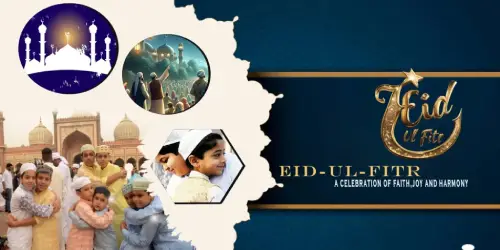
The first of the famous Festivals of Pakistan is Eid-ul-Fitr, a joyful holiday Muslims celebrate worldwide after the holy month of Ramadan ends.
Season
Happens in Shawwal (Islamic calendar dates change each year, usually May-June)
What Happens
Prayers
On Eid morning, Muslims gather for special prayers in open spaces or big mosques. Everyone wears their best clothes and greets each other with “Eid Mubarak.”
Feasts
After prayers, families get together for big meals with traditional dishes like biryani, kebabs, and the sweet sheer khurma. This food tradition makes Eid-ul-Fitr one of the most loved Festivals of Pakistan.
Charity (Zakat al-Fitr)
Before Eid prayers, Muslims give money or food to poor people so everyone can celebrate together.
Celebrations
The day goes on with visiting family, giving gifts, and having fun together. Kids get new clothes, toys, and money, girls eid mehndi while homes look beautiful with decorations.
Eid-ul-Fitr is all about happiness, being thankful, and community these are the main values you see in the Festivals of Pakistan.
2. Eid-ul-Adha: The Festival of Sacrifice
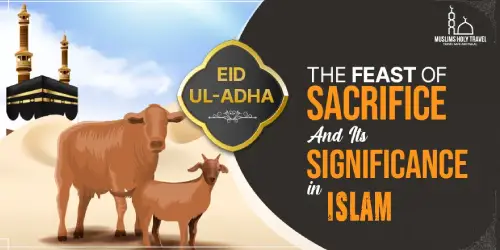
Eid-ul-Adha stands among the most significant Festivals of Pakistan, commemorating Prophet Ibrahim’s willingness to sacrifice his son in obedience to God.
Season
Occurs in Dhul Hijjah (Islamic lunar calendar), coinciding with Hajj pilgrimage typically July-August
Key Elements
Story of Sacrifice
This festival honors Prophet Ibrahim’s faith and God’s mercy in providing a ram for sacrifice, teaching valuable lessons about devotion and obedience.
Animal Sacrifice (Qurbani)
The central ritual involves sacrificing a goat, sheep, cow, or camel. The meat is divided into three equal parts: one for family, one for friends and relatives, and one for the needy exemplifying the charitable nature of Festivals of Pakistan.
Prayers and Feasts
Beginning with special Eid prayers, the day progresses into festive meals featuring dishes prepared from the sacrificed animal alongside traditional favorites.
Charity and Community
The emphasis on sharing with less fortunate members of society reflects the compassionate values inherent in the Festivals of Pakistan.
Celebrations
Families spend the day visiting loved ones, exchanging gifts, and strengthening community bonds through shared joy and gratitude.
3. Basant Festival: Welcoming Spring
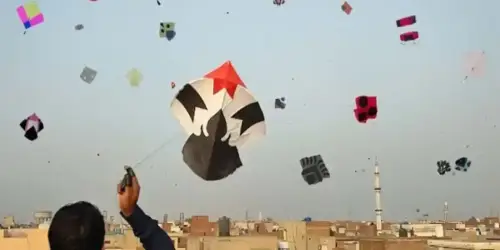
Basant Festival represents one of the most colorful cultural Festivals of Pakistan, marking spring’s arrival with spectacular kite flying traditions.
Season
Spring typically celebrated in February
Main Location
Lahore, the cultural heart of Punjab
Highlights
Kite Flying
The sky becomes a canvas of colorful kites as families and friends gather on rooftops for friendly competitions. The traditional cry “Bo Kata!” rings out when someone’s kite is cut.
Attire and Symbolism
Participants wear bright yellow outfits representing blooming mustard fields and the renewal spring brings.
Festival Atmosphere
Traditional music, dance performances, and elaborate feasts create an electric atmosphere throughout Lahore.
Cultural Significance
Basant symbolizes joy, community, and life celebration key themes across all Festivals of Pakistan.
Safety Note
The festival has faced restrictions due to safety concerns, but it remains culturally significant and continues in various forms.
4. Independence Day: Celebrating Freedom (14th August)

Among the patriotic Festivals of Pakistan, Independence Day holds supreme significance, marking the nation’s independence from British rule in 1947.
Season
Summer celebrated annually on August 14th
Celebrations Include
- National flag hoisting ceremonies across the country
- Grand parades and military displays, particularly in Islamabad
- Spectacular fireworks illuminating night skies
- Patriotic songs echoing through streets and homes
- Speeches by national leaders highlighting independence’s significance
- Buildings adorned with green and white flags
- Fostering pride, unity, and patriotism among all Pakistanis
Independence Day showcases national pride and unity, distinguishing it from other Festivals of Pakistan through its emphasis on collective national identity.
5. Pakistan Day: Remembering the Lahore Resolution (23rd March)
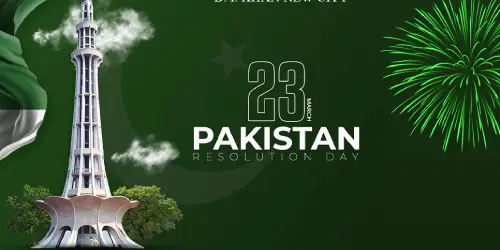
Pakistan Day ranks among the most important national Festivals of Pakistan, commemorating the historic Lahore Resolution of 1940.
Season
Spring observed annually on March 23rd
Key Observances
Historical Significance
The Lahore Resolution laid the foundation for Pakistan’s creation, calling for an independent Muslim state that became reality in 1947.
Morning Ceremonies
The day begins with a 31 gun salute in Islamabad and 21 gun salutes in provincial capitals.
Military Parade
A grand parade showcases the armed forces’ strength and capabilities, demonstrating national defense readiness.
Nationwide Events
Government buildings and public spaces display lights and flags honoring Pakistan Movement leaders and inspiring unity among citizens.
6. Mela Chiraghan: The Festival of Lights
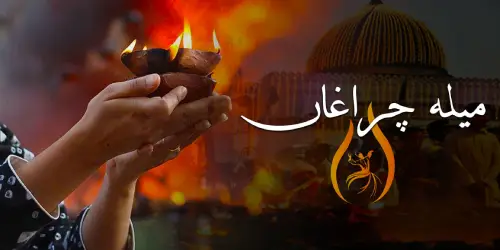
Mela Chiraghan is among the most spiritually significant Festivals of Pakistan, honoring revered Sufi saint Shah Hussain.
Season
Spring typically celebrated in March (dates vary)
Location
Lahore, Punjab
Key Highlights
Lighting of Oil Lamps
Countless oil lamps create a mesmerizing, peaceful atmosphere symbolizing spiritual enlightenment and Shah Hussain’s teachings.
Traditional Music and Dance
Qawwali and Sufi music fill the air, invoking divine connection and communal harmony.
Shrine Gatherings
Devotees gather at Shah Hussain’s shrine to pay respects and seek blessings.
Colorful Decorations
Streets and homes feature vibrant decorations celebrating the saint’s legacy.
Traditional Foods
The aroma of special foods and sweets enhances the festive spirit.
Vendor Stalls
Markets offer religious artifacts and local delicacies, contributing to the lively atmosphere.
Mela Chiraghan profoundly expresses Lahore’s rich cultural heritage and deep rooted Sufi traditions, making it unique among the Festivals of Pakistan.
7. Shandur Polo Festival: Sport at the Roof of the World
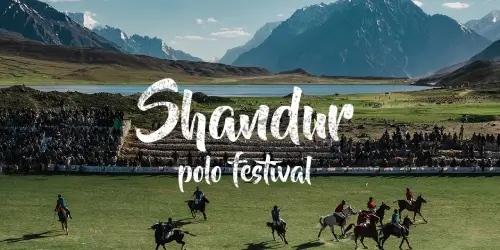
The Shandur Polo Festival represents one of the most unique Festivals of Pakistan, held at the world’s highest polo ground.
Season
Summer early July annually
Location
Shandur Pass (between Chitral and Gilgit Baltistan), approximately 12,200 feet above sea level
Festival Features
Traditional Polo Matches
Exhilarating matches between Chitral and Gilgit teams showcase traditional polo played with remarkable skill and passion.
Cultural Events
Traditional music, dance performances, and local craft exhibitions provide glimpses into regional cultural heritage.
Scenic Beauty
Stunning mountain landscapes and valley views create a breathtaking backdrop for festivities.
Community Gathering
The festival brings together people from different regions, fostering unity and celebration.
Local Cuisine
Visitors savor traditional foods and delicacies, experiencing the region’s culinary heritage.
The Shandur Polo Festival celebrates sport, culture, and community, highlighting the adventurous spirit found in the Festivals of Pakistan.
8. Lal Shahbaz Qalandar Urs: Spiritual Devotion
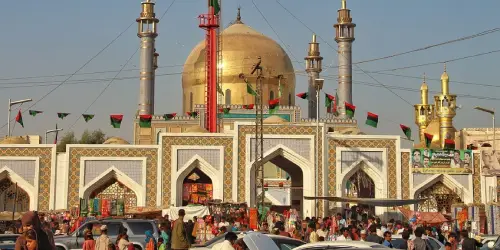
The Lal Shahbaz Qalandar Urs is a vibrant spiritual celebration among the Festivals of Pakistan, held in Sehwan Sharif.
Season
Summer 18th-20th Shahbaan (Islamic calendar), typically June-July
Location
Sehwan Sharif, Sindh
Key Highlights
Celebration of Sufi Saint
The festival honors Lal Shahbaz Qalandar, known for his message of love, peace, and unity.
Spiritual Gatherings
Devotees engage in prayers, Sufi poetry recitations, and discussions on the saint’s teachings.
Music and Dance
Traditional dhol drums and qawwali create devotional atmosphere, while dhamal (ecstatic dance) expresses spiritual fervor.
Cultural Events
Local artists perform, and traditional crafts are exhibited, showcasing regional heritage.
Community Unity
The Urs brings together people from diverse backgrounds, promoting brotherhood and shared values.
Local Cuisine
Traditional foods and delicacies offer authentic tastes of regional culinary traditions.
9. Ashura: Day of Remembrance
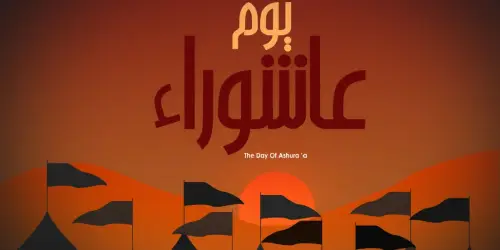
Ashura is a solemn occasion among the Festivals of Pakistan, observed on the 10th day of Muharram.
Season
First month of Islamic calendar (dates vary annually, typically July-August)
Key Observances
Historical Significance
Commemorates the Battle of Karbala (680 AD), where Imam Hussain and companions were martyred, symbolizing the struggle against tyranny.
Religious Observances
Muslims engage in prayers, fasting, and Quran recitations. Many participate in processions where the Karbala story is recounted.
Mourning Rituals
Communities perform chest beating (matam) and reenact Battle of Karbala events, expressing deep reverence for martyrs.
Charitable Acts
Distributing food and water to the needy reflects compassion and generosity values.
Community Gathering
The observance fosters unity and solidarity, bringing together people for communal reflection.
Ashura reminds Muslims of justice, sacrifice, and resilience principles values emphasized throughout the Festivals of Pakistan.
10. Chehlum (Arbaeen): 40 Days of Remembrance
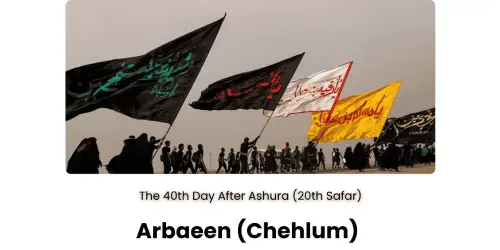
Chehlum, observed 40 days after Ashura, continues the mourning period among the Festivals of Pakistan.
Season
20th Safar (Islamic calendar) typically August-September
Key Features
40th Day Commemoration
Marks the culmination of the mourning period for Imam Hussain and his companions.
Processions
Large groups walk through cities, often covering long distances, expressing grief and solidarity with Karbala martyrs.
Mourning Rituals
Chest beating (matam) and elegies (marsiyas) recounting Karbala events serve as expressions of sorrow and reverence.
Religious Observances
Prayers, Quran recitations, and sermons provide opportunities for spiritual reflection and faith reaffirmation.
Community Unity
Brings together people from various backgrounds for collective remembrance and support.
11. Kalash Festivals: Unique Cultural Heritage
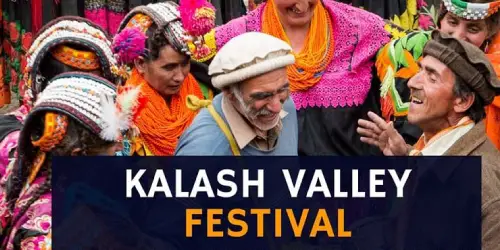
Kalash Festivals represent the culturally unique Festivals of Pakistan, celebrated by the Kalash people in Chitral Valley.
Season
Multiple festivals throughout the year
Location
Chitral Valley, Khyber Pakhtunkhwa
Main Festivals
Chilam Joshi (Spring Festival)
- Season: May
- Celebrates spring’s arrival
- Traditional music, dance, and rituals
- Colorful traditional attire
- Joy and renewal atmosphere
Uchal (Harvest Festival)
- Season: August-September
- Thanks gods for bountiful harvest
- Offerings of first fruits
- Traditional dances, music, and feasting
- Gratitude and community celebration
Cultural Elements
- Rhythmic drums and melodious flutes
- Storytelling and craft exhibitions
- Stunning Chitral Valley scenery
- Traditional games and activities
- Community bonding and cultural sharing
Kalash Festivals highlight cultural diversity within the Festivals of Pakistan, preserving ancient pre Islamic traditions.
12. Youm-e-Ali: Honoring Hazrat Ali
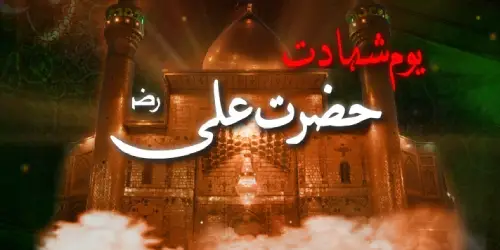
Youm-e-Ali is a significant observance among the Festivals of Pakistan, commemorating Hazrat Ali’s martyrdom.
Season
21st Ramadan (Islamic calendar) dates vary annually
Key Observances
Commemoration
Marks the martyrdom anniversary of Hazrat Ali, cousin and son-in-law of Prophet Muhammad (PBUH), assassinated in Kufa’s Grand Mosque.
Processions and Gatherings
Devotees participate in processions reciting elegies and paying homage to Hazrat Ali.
Majlis and Sermons
Religious scholars recount Hazrat Ali’s life, virtues, and sacrifices, providing opportunities for reflection.
Charity and Kindness
Following Hazrat Ali’s compassionate example, many distribute food and assist the needy.
Special Prayers
Quran recitations and prayers seek blessings for Hazrat Ali’s soul and community well-being.
Cultural Events
Poetry recitations, plays, and exhibitions highlight Hazrat Ali’s contributions to Islamic thought.
13. Eid Milad-un-Nabi: The Prophet’s Birthday
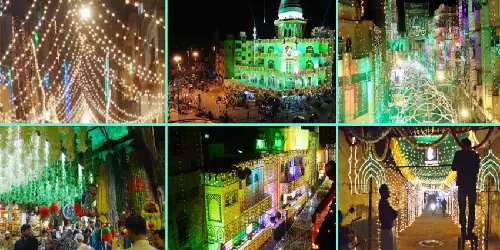
Among the joyous Festivals of Pakistan, Eid Milad-un-Nabi celebrates Prophet Muhammad’s (PBUH) birth.
Season
12th Rabi’ al-Awwal (Islamic calendar) typically October-November
Celebrations Include
Processions and Gatherings
Vibrant processions feature naats (poetry praising the Prophet) and colorful banners.
Decorations
Mosques and homes adorned with lights and decorations create festive atmosphere.
Special Prayers
Quran recitations and prayers seek blessings and peace.
Religious Sermons
Scholars recount the Prophet’s life, virtues, and teachings.
Charitable Acts
Following the Prophet’s compassionate example, many distribute food and assist the needy.
Cultural Events
Poetry recitations, plays, and exhibitions honor the Prophet’s legacy.
Unity and Solidarity
Fosters communal bonding and reaffirms values of compassion, justice, and piety.
14. Baba Bulleh Shah Urs: Poetry and Spirituality
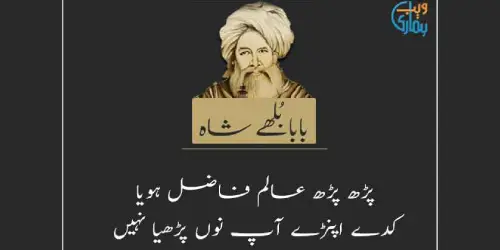
The final entry among the famous Festivals of Pakistan is Baba Bulleh Shah Urs, honoring the revered Sufi poet.
Season
Late August-September (dates vary)
Location
Kasur, Punjab
Festival Highlights
Honoring the Sufi Poet
Commemorates Bulleh Shah’s life and legacy, celebrating his profound poetry and spiritual wisdom that continues inspiring people.
Spiritual Gatherings
Devotees gather in reverence and devotion, creating spiritually uplifting atmosphere.
Music and Qawwali
Renowned qawwals perform Bulleh Shah’s poetry, creating enchanting, mystical ambiance with rhythmic beats and melodious tunes.
Poetry Recitations
Scholars and poets recite Bulleh Shah’s verses, providing opportunities for reflection and appreciation of his literary contributions.
Cultural Events
Storytelling, craft exhibitions, and traditional dances offer glimpses into regional cultural heritage and Bulleh Shah’s enduring influence.
Devotional Practices
Devotees recite prayers, offer flowers, and light candles at Bulleh Shah’s shrine, symbolizing deep connection and respect.
Community Bonding
The Urs fosters unity among attendees, encouraging sharing of spiritual experiences and reaffirming values of love, tolerance, and humanity.
Planning Your Visit to Pakistan’s Festivals
When you’re planning to see these 14 famous Festivals of Pakistan, here’s what you need to know:
When Things Happen
Religious Festivals
These follow the Islamic moon calendar, so dates shift by 10-11 days each year
National Festivals
These have fixed dates (Independence Day: August 14, Pakistan Day: March 23)
Cultural Festivals
Usually seasonal (Spring: Basant, Mela Chiraghan; Summer: Shandur Polo, Urs celebrations)
Helpful Tips
- Dress Right: Wear modest clothes that respect local customs
- Check Dates: Look up current year dates for moon calendar festivals
- Stay Safe: Follow safety rules during big crowds and processions
- Learn Local Ways: Know what’s expected at different festivals
- Taking Photos: Always ask before taking pictures of people during religious events
- At Sacred Places: Be respectful at shrines and religious sites
Why These 14 Festivals Matter
These 14 famous Festivals of Pakistan are important because they:
- Keep Traditions Alive: Old customs and traditions stay strong for the next generation
- Bring People Together: Different people come together to celebrate and bond
- Help You Grow Spiritually: You get chances for prayer and spiritual reflection
- Build National Pride: Shared celebrations make Pakistani identity stronger
- Help Local Business: Tourism and visitors support local communities
- Create Unity: People learn to understand and respect each other better
- Teach the Young: Kids learn about their rich heritage and history
Conclusion
The 14 famous Festivals of Pakistan show you how diverse, spiritual, and culturally rich this nation really is. From the religious devotion during Eid to the colorful fun of Basant, from spiritual gatherings at Sufi shrines to proud Independence Day celebrations, these festivals are what Pakistan is all about.
You might experience the excitement of high altitude polo at Shandur, see thousands of lights at Mela Chiraghan, pray during Eid, or join Kalash people in their unique celebrations each of these Festivals of Pakistan gives you something special you won’t forget.
These celebrations honor the past while bringing communities closer and creating great memories for everyone who joins. The Festivals of Pakistan keep changing with time but never lose their real meaning, so your kids and grandkids can enjoy the same joy, devotion, and cultural pride that’s been around for generations.
When you learn about and join these 14 famous Festivals of Pakistan, you’re helping keep cultural heritage alive, bringing different communities together, and celebrating the warm Pakistani spirit of tradition and hospitality.
FAQs
What’s the biggest festival in Pakistan?
Eid-ul-Fitr is the biggest, celebrated by millions of Muslims across the entire country after Ramadan ends.
When does Basant Festival happen?
Basant usually happens in February when spring arrives, mostly in Lahore with colorful kites filling the sky.
Can tourists join these festivals?
Yes, tourists are welcome at most festivals, just dress modestly and respect local customs during religious events.
Which festival has the most music?
The Urs festivals like Lal Shahbaz Qalandar and Baba Bulleh Shah Urs have amazing qawwali music and spiritual songs.
What do people eat during Eid?
Popular dishes include biryani, kebabs, korma, and sweet treats like sheer khurma and kheer during both Eids.
Where is the Shandur Polo Festival held?
It’s held at Shandur Pass between Chitral and Gilgit, which is the world’s highest polo ground at over 12,000 feet.
Do all festivals happen on the same date every year?
No, religious festivals follow the Islamic moon calendar so dates change, but national holidays like Independence Day stay fixed.
What’s special about Kalash festivals?
Kalash festivals are unique because they’re ancient pre-Islamic traditions kept alive by the Kalash people in Chitral Valley.
How long do these festivals usually last?
Most last 1-3 days, though some Urs celebrations can go on for a week with music and gatherings.
What should I wear to attend these festivals?
Wear modest clothing that covers your arms and legs, and women should carry a dupatta or scarf, especially for religious events.