

Last Tuesday, I watched something beautiful happen at a coworking space in Lahore.
A 24-year-old graphic designer named Zainab was crying at her desk. Not sad crying happy crying. She’d just landed her first international client, someone she met two weeks ago in the same space.
A developer named Hassan was sitting next to her, celebrating like it was his own win. Three other people joined in. Someone brought samosas. Within five minutes, ten strangers were celebrating Zainab’s success like family.
That’s what coworking communities do. They turn your professional journey into something you don’t have to walk alone especially for freelancers, startups, and people working in digital marketing in Pakistan, where networking and collaboration can change everything.
Let me tell you the real story behind these spaces the parts nobody talks about in the fancy brochures.
Why I Left My Home Office (And Never Looked Back)
Two years ago, I was working from home. Sounds perfect, right? Wake up, make chai, open laptop, work in pajamas. Except it wasn’t perfect. It was lonely. Really lonely.
By 11 AM, I’d realize I hadn’t spoken to another human all day. My living room was my office. My bedroom was my meeting room. The kitchen was my lunch spot. Everything blurred together. Work never ended because work was everywhere.
I’d finish a big project and there was nobody to celebrate with. I’d hit a problem and there was nobody to bounce ideas off. The walls felt like they were closing in something many people running an online business in Pakistan silently struggle with.
Then a friend dragged me to visit a coworking community in Lahore. “Just try it for a day,” she said. That one day changed everything.
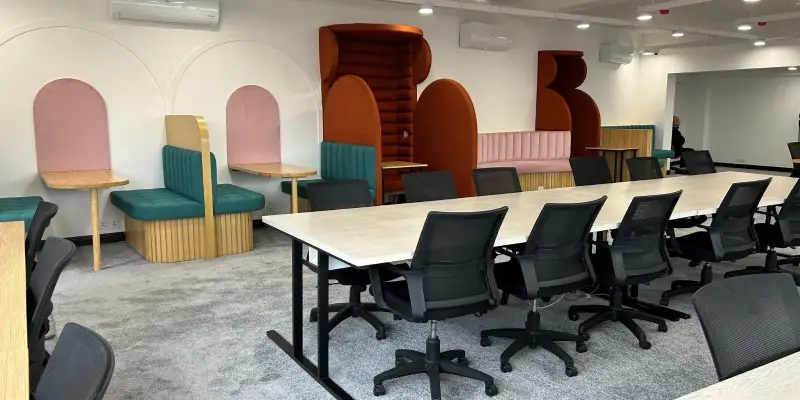
Walking into a coworking community feels different than walking into a regular office. There’s energy. People are actually happy to be there. Someone’s laughing at the coffee station. Two people are sketching ideas on a whiteboard. A group is having an intense but friendly debate about something technical.
I sat down at a hot desk, opened my laptop, and within an hour, three people had said hello. By lunch, someone invited me to their table. By evening, I’d exchanged contacts with five people and solved a problem that had been bugging me for weeks.
I signed up for a monthly membership the next day. That was two years ago. I haven’t looked back.
What Actually Happens in Coworking Communities
Let me paint you a real picture of what coworking community look like on a random Wednesday afternoon.
Corner desk
A developer named Ahmed is building an app for farmers. He’s been stuck on a feature for two days. Gets frustrated, walks to the coffee area, mentions his problem. A data scientist overhears, suggests a different approach. Problem solved in ten minutes.
Meeting room
Three freelancers who met last month are now working on a client project together. They combined their skills design, development, marketing and landed a client none of them could have handled alone.
Lounge area
Someone’s birthday. There’s cake. Twenty people are there, half of whom met the birthday person less than a month ago. Everyone’s genuinely happy for her.
Quiet zone
A writer is deep in focus mode, headphones on. Nobody disturbs her. That’s the unwritten rule in coworking community respect each other’s work time.
Terrace
Two startup founders are pitching ideas to each other, giving honest feedback. No sugar coating. No competition. Just mutual help.
This is what coworking community actually are. Not the Instagram photos. Not the fancy marketing. Just real people doing real work together.
The Friendship Problem Nobody Talks About

Here’s something I never expected about coworking communities I made real friends. Not networking contacts. Not “let’s grab coffee sometime” people. Real friends who I actually see, actually talk to, actually care about.
My friend Hira and I met at a coworking space eighteen months ago. We were both freelancing, both struggling with the same things difficult clients, late payments, self doubt about whether this whole freelance thing would work out.
We started having lunch together. Then coffee breaks. Then we’d stay after work hours just talking. She helped me negotiate my rates up. I helped her build her portfolio website. When her grandfather died, I was at the funeral. When I got engaged, she was at my mehndi.
That’s what coworking community do that I never expected. They give you a work community that becomes a life community.
My cousin works at a bank. He knows his coworkers’ names, sure. But does he know their dreams? Their struggles? Their real selves? Not really.
In coworking community, you see people without the corporate masks. You see the designer who’s trying to save money for her parents’ house. The developer who’s teaching himself English at night. The entrepreneur who failed twice before and is trying again.
You can’t help but root for each other.
What Makes Coworking Communities Different from Regular Offices
I’ve worked in regular offices. I’ve worked from home. I’ve tried coffee shops. Coworking community are different. Let me tell you why.
Regular offices
You’re surrounded by people doing the same job as you. Sales people sitting with sales people. IT people sitting with IT people. Everyone’s technically colleagues but often competitors for the same promotions, same recognition, same resources.
Coworking communities
You’re surrounded by people doing completely different things. The person next to you isn’t competing with you. They’re on their own journey. This creates something rare genuine support without hidden agendas.
Coffee shops
Sure, they’re public spaces with wifi. But nobody talks to strangers at Starbucks. You’re alone in a crowd. That’s somehow worse than just being alone.
Coworking communities
Designed for interaction. The layout encourages it. The events facilitate it. The culture rewards it. You’re not just allowed to talk to strangers it’s expected and welcomed.
Home office
Complete flexibility but complete isolation. No boundaries between work and life. No energy from others. No random conversations that lead to breakthrough ideas.
Coworking community
Flexibility with connection. Boundaries with energy. Structure with freedom. It’s the best of everything without the worst of anything.
The Business Magic That Happens in Coworking Communities
Let me tell you about Quick Office in Lahore, where I spend most of my working days now.
Last month, a guy named Bilal was working on a delivery app. He’s a developer but needed help with business model. He mentioned this casually during a Friday evening gathering.
Three people jumped in with suggestions. One introduced him to someone in logistics. Another shared templates for investor pitches. A third person, who had built and sold a startup before, mentored him for free.
Within two weeks, Bilal had refined his entire business model. Within a month, he had his first round of funding. He literally got investment because he worked in coworking communities instead of his bedroom.
This happens all the time. The marketing consultant meets the web designer who needs marketing help. The content writer meets the startup founder who needs content. The CA meets the entrepreneur who needs accounting setup.
But here’s the thing it’s not transactional. It’s not forced networking where everyone’s pushing business cards at each other. It’s organic. Natural. Helpful first, business second.
My friend Saad landed three of his biggest clients from connections made in coworking communities. Not because he was selling. But because people knew his work, trusted him, and recommended him when opportunities came up.
That’s the business magic of coworking communities. Opportunities find you when you’re focused on being genuine, helpful, and good at what you do.
The Mental Health Benefit Nobody Expected
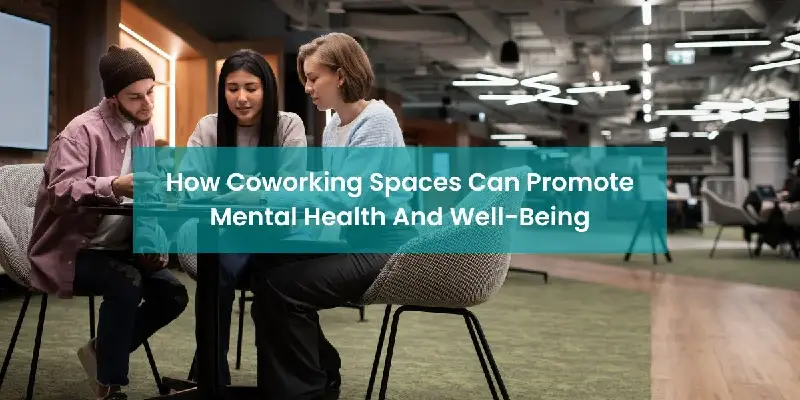
This part surprised me most about coworking communities. Working alone is terrible for mental health. I didn’t realize how bad it was until I stopped doing it.
When you work from home, bad days feel crushing. You make a mistake, lose a client, face rejection and you’re alone with those feelings. They spiral. You question everything. Am I good enough? Should I quit? Is this even working?
In coworking communities, bad days still happen. But they feel different.
I remember the day a client refused to pay me for a month’s work. I was furious and defeated. I walked into the coworking space visibly upset. Within an hour, three people asked if I was okay.
I told them what happened. They shared their own nightmare client stories. They gave practical advice on getting paid. They reminded me this one bad client doesn’t define my worth. By afternoon, I felt better. Not because the problem was solved, but because I wasn’t alone with it.
Coworking communities provide something money can’t buy daily human connection. Seeing other people grinding reminds you that struggle is normal.
Celebrating others’ wins reminds you that success is possible. Just being around working humans reminds you that you’re part of something bigger than your laptop screen.
My therapist friend says isolation is one of the biggest mental health challenges for remote workers. Coworking communities solve this without anyone even trying. You just show up, and suddenly you’re not alone anymore.
The Unexpected Learning in Coworking Communities
Universities teach theory. Jobs teach specific skills. Coworking communities teach something different real world wisdom from people currently doing the work.
Every week at QuickOffice, someone hosts an informal session. It’s not formal training. It’s just knowledge sharing. Last month, a senior developer talked about his biggest coding mistakes and how he fixed them. More valuable than any online course.
Two weeks ago, a freelancer shared how she structures her contracts to avoid payment issues. Pure gold for anyone freelancing. Last week, someone demonstrated AI tools that can speed up design work. We all learned something new.
But the best learning in coworking communities happens casually. You overhear a conversation about pricing strategy. You see how someone handles a difficult client call. You watch how experienced people manage their time.
I’ve learned more about business, freelancing, and professional growth in two years of coworking communities than in four years of university. Because this learning is practical, current, and from people who are actually succeeding right now.
Plus, when you’re stuck on something, you can just ask. Someone in coworking communities has probably faced the same problem and solved it.
What Coworking Communities Cost (And What They’re Actually Worth)
Let’s talk money because I know you’re wondering.
QuickOffice in Lahore charges around 15,000-25,000 rupees monthly depending on what you need. Hot desk, dedicated desk, or private office different prices for different needs.
Sounds expensive? Let me break down what you actually get in coworking communities:
Physical space
Desk, chair, electricity, AC, wifi. In Lahore summer, the AC alone is worth it.
Actual costs saved
- No electricity bills (a big laptop user can add 5,000+ to home bills)
- No generator/UPS costs during loadshedding
- No separate internet connection needed
- No office furniture to buy
- No maintenance headaches
Business costs saved
- Meeting rooms when you need them (renting conference rooms is expensive)
- Business address (many coworking communities let you use their address officially)
- Printing, scanning facilities when needed
Intangible value
- Daily human interaction (priceless for mental health)
- Learning from others (courses cost thousands)
- Business opportunities through connections (my three clients from coworking communities pay for my membership ten times over)
- Motivation and accountability (worth more than money)
When I calculate it honestly, coworking communities don’t cost me money. They make me money while saving my sanity.
Different Types of People in Coworking Communities
One beautiful thing about coworking communities the diversity. Let me introduce you to the types you’ll meet:
The Serial Entrepreneur: Started and sold two businesses. Always building the next thing. Drinks black coffee, takes calls on the terrace, mentors anyone who asks. Usually the person everyone wants advice from in coworking communities.
The Freelancer Squad: Designers, writers, developers, marketers all working for different clients but bonding over shared freelancer struggles. They’re the ones having lunch together every day in coworking communities.
The Startup Team
Young, energetic, convinced their idea will change the world. Sometimes loud (sorry), always passionate. Working 12 hour days. They’re the heart of most coworking communities.
The Remote Worker
Has a full time job somewhere else but works from coworking communities instead of home. Usually the quietest. Appreciates the structure and separation from home life.
The Transitioning Professional
Left corporate job, testing entrepreneurship waters. Nervous but excited. Needs the most support. Coworking communities help them navigate the scary transition.
The Senior Consultant
Experienced, selective about clients, works three days a week, plays golf the other two days. Provides wisdom to younger members in coworking communities.
The Creative Soul
Writer, filmmaker, designer comes to coworking communities for inspiration. Usually wearing interesting clothes. Makes everyone else’s workspace look boring.
The beauty? These different people create a rich ecosystem. Everyone brings something unique to coworking communities.
The Dark Side (Yes, There Is One)
I love coworking communities, but let me be honest about the challenges.
Noise
Sometimes it gets loud. Someone’s on a call. A group is brainstorming. It can be distracting. Good coworking communities have quiet zones, but you can’t always control the sound.
Privacy concerns
You’re working in public. Can’t always take sensitive calls. Can’t leave expensive equipment unattended. Need to be conscious of what’s on your screen.
Personalities clash
Put diverse people together and sometimes there’s friction. Someone who talks too much. Someone who chews loudly. Someone who doesn’t clean up after themselves. Coworking communities try to manage this, but humans are humans.
The social pressure
Some days you just want to work silently. But coworking communities have social expectations. Sometimes you’re not in the mood but feel obligated to join conversations.
WiFi wars
During peak hours, when everyone’s downloading or on video calls, internet can slow down. Good coworking communities invest in strong connections, but it’s still shared bandwidth.
Membership costs
For struggling freelancers or early stage startups, monthly fees can be burden. Some people need coworking communities most but can afford them least.
These aren’t dealbreakers. Just realities. The good far outweighs the bad. But it’s important to go in with realistic expectations about coworking communities.
How to Choose the Right Coworking Communities
Not all coworking communities are equal. Here’s what to look for:
Visit during working hours
Don’t judge by empty spaces. See it when it’s full. That’s when you know the real culture of coworking communities.
Talk to existing members
They’ll tell you the truth. Are people friendly? Is management responsive? Do members actually connect or just coexist in coworking communities?
Check the basics
WiFi speed, power backup, cleanliness, AC, coffee quality. Sounds minor but these matter daily in coworking communities.
Understand the community
Is it mostly corporate remote workers or entrepreneurs? Startups or established freelancers? Find coworking communities that match your vibe.
Location matters
Can you get there easily? Is parking available? Are there food options nearby? You’ll be coming daily to coworking communities convenience counts.
Flexibility in plans
Do they offer daily passes? Can you try before committing? Good coworking communities are confident enough to let you test first.
Events and activities
Do they organize community events? Workshops? These turn coworking communities from mere spaces into actual communities.
QuickOffice in Lahore does most of this well, which is why I’ve stuck around. But visit multiple coworking communities before deciding. The right fit makes all the difference.
The Future of Work is Community

Here’s what I believe: coworking communities aren’t a trend. They’re the future.
More people are freelancing. More companies are hiring remote. More entrepreneurs are starting businesses from laptops. This is only growing.
But humans aren’t meant to work alone. We’re social creatures. We need connection, collaboration, community.
Coworking communities solve the modern work paradox how to be independent professionally while connected socially. How to have flexibility without isolation. How to build your own thing without doing it completely alone.
In ten years, I think coworking communities will be as common as coffee shops. Every neighborhood will have one. Every city will have dozens. It’ll be normal to say I work from a coworking space like it’s normal to say I work from an office.
And honestly? That makes me excited for the future of work.
My Honest Recommendation
Should you join coworking communities? Depends on who you are.
You should join if
- You work from home and feel isolated
- You’re freelancing and need structure
- You’re starting a business and need support
- You’re remote working and miss human interaction
- You want to meet people in your industry
- You need separation between work and home
You might not need it if
- You genuinely love working alone
- You have a great home office setup and discipline
- You’re on very tight budget
- You travel constantly and won’t use it
- You work odd hours when coworking communities aren’t open
For me, joining coworking communities was one of the best decisions I’ve made. Not just for work, but for life.
I’m more productive. More creative. More connected. Happier.
And when Zainab cried tears of joy last Tuesday, I was there to celebrate with her. That’s worth more than any membership fee.
Start Your Coworking Journey
If you’re in Lahore, start at QuickOffice. They’re in the heart of the city, they understand coworking communities culture, and they actually care about building real community, not just renting desks.
If you’re elsewhere, find coworking communities near you. Visit. Try a day pass. Sit in the space. Feel the energy. Talk to the people.
You’ll know within hours if it’s right for you.
And if it is? Welcome to coworking communities. Welcome to a better way of working. Welcome to finding your people.
The desk next to mine is empty right now. Maybe it’ll be yours soon.
FAQs
Q1: What exactly are coworking communities?
Shared workspaces where freelancers, remote workers, and entrepreneurs work independently but together, forming supportive professional communities.
Q2: How much do coworking communities typically cost?
In Pakistan, expect 15,000-25,000 rupees monthly depending on city and facilities; daily passes usually 500-1,500 rupees.
Q3: Can I just work silently in coworking communities without socializing?
Yes, many members prefer working quietly; social interaction is available but never forced in good coworking communities.
Q4: Are coworking communities safe for expensive equipment?
Most have lockers, security cameras, and member only access still, don’t leave valuables unattended like you wouldn’t anywhere public.
Q5: Do I need to work in tech to join coworking communities?
No, coworking communities welcome all professions writers, consultants, designers, accountants, anyone needing workspace and community.
Q6: Can I meet clients in coworking communities?
Yes, most have meeting rooms you can book; many members specifically use coworking communities for professional client meetings.
Q7: What if I don’t like the people in coworking communities?
You’re not obligated to befriend everyone; coworking communities are large enough to find your compatible group naturally.
Q8: Are coworking communities just for young people?
No, successful coworking communities have diverse age ranges from twenties to sixties, each bringing different value.
Q9: Can I try coworking communities before committing to membership?
Most offer day passes or week trials; always test before committing to monthly membership in coworking communities.
Q10: What makes coworking communities different from just renting an office?
The community aspect shared learning, networking, support, and friendships that develop naturally among independent professionals.