

Remember that feeling when your June electricity bill arrived and you realized you were actually saving money? That sweet Rs7.41 per unit relief that made summer slightly more bearable?
Well, I hate to be the bearer of bad news, but that Electricity Relief package is ending. And when July turns into August, our bills are going up. Significantly.
I know what you’re thinking “Not again. We just got a break.” Trust me, I feel the same way. My family in Lahore was finally managing to run the AC without constant anxiety about the bill.
My cousin in Karachi started using his washing machine more than once a week. Small businesses in Faisalabad were cautiously optimistic about production costs.
Now, all that Electricity Relief is coming to an end, and we need to prepare ourselves for what’s coming.
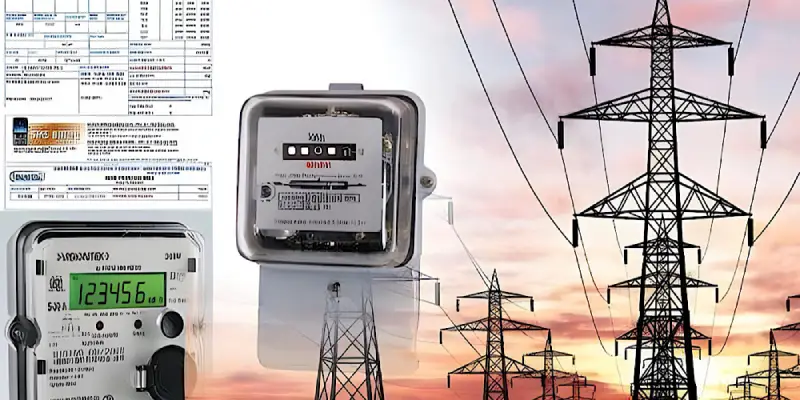
What Was the Electricity Relief Package?
Let me take you back to April 2025. Prime Minister Shehbaz Sharif announced a comprehensive package that honestly felt like a lifeline during scorching summer months.
This wasn’t just random political talk. The Electricity Relief was a key promise from PML-N’s election manifesto, something Nawaz Sharif had specifically committed to. And for once, they actually delivered on it.
The timing was perfect right before Eid. Families were already stressed about rising inflation, petrol prices, and everyday expenses. The Electricity Relief announcement came as genuine good news.
Same in this process with energy costs climbing, many consumers consider alternative ways to protect savings, such as gold vs real estate investment.
The Rs7.41 Per Unit Relief Breakdown
Here’s exactly how the Electric Relief was structured:
Rs1.90 per unit: Tariff reduction covering April to June (second quarter of 2025)
Rs1.55 per unit: Tariff reduction for May to July period (third quarter)
Rs1.71 per unit: Connected to petroleum price adjustments (when fuel prices stabilized, savings were passed to consumers)
Rs0.90 per unit: Through fuel cost adjustment mechanism
Rs1.35 per unit: Additional relief through various technical adjustments
Total: Rs7.41 per unit in Electricity Relief for domestic consumers.
Industrial Sector Got Even More
Industries received Rs7.59 per unit reduction in power tariffs. The logic was simple cheaper electricity means lower production costs, which means Pakistani products become more competitive internationally.
Factories in Sialkot making sports goods, textile mills in Faisalabad, and manufacturing units in Karachi all benefited from this Electric Relief. For several months, industrial production showed positive growth partly because of reduced energy costs.
Understanding the Impact: What This Electric Relief Actually Meant
Let me put this in real numbers so you understand what we’re about to lose.
For Average Households
A typical middle class family in Lahore or Karachi consuming 300 units monthly:
With Electricity Relief
- 300 units × Rs7.41 saved = Rs2,223 monthly savings
- Over 3 months: Rs6,669 saved
Without Electricity Relief (from August)
- Those Rs2,223 monthly savings? Gone.
- Annual impact: Rs26,676 extra in electricity costs
For families already struggling with inflation, losing this Electric Relief means difficult choices. Do you run the AC less? Cut back on other expenses? It’s not easy.
For Small Businesses
A small shop or restaurant using 800 to 1000 units monthly
Electricity Relief Savings
- 900 units × Rs7.41 = Rs6,669 monthly relief
- Quarterly savings: Rs20,007
Without this Electricity Relief, that’s Rs6,669 extra monthly expense. For businesses operating on thin margins, that’s huge. It might mean the difference between profit and loss.
For Industries
Large industrial consumers saw even bigger benefits from Electricity Relief:
A medium sized textile unit consuming 100,000 units monthly:
- 100,000 units × Rs7.59 = Rs759,000 monthly relief
- Quarterly savings: Rs2,277,000
When this Electricity Relief ends, these costs return. Production costs rise. Export competitiveness drops. Some factories might reduce shifts or staff.
Why Is the Electricity Relief Ending?
Good question. If the Electricity Relief was helping everyone, why stop it?
Government’s Fiscal Pressure
The federal government is under immense financial pressure. The Electric Relief package was costing billions of rupees monthly. With IMF program requirements and fiscal targets to meet, continuing such subsidies becomes difficult.
The government must balance between:
- Providing relief to citizens
- Meeting international financial commitments
- Reducing budget deficits
- Maintaining economic stability
Something had to give, and unfortunately, the Electric Relief became unsustainable.
Subsidy Rationalization Push
International lenders (IMF, World Bank) have been pushing Pakistan to reduce subsidies for years. They argue subsidies distort markets and create fiscal problems.
The Electricity Relief, while helpful to consumers, was technically a subsidy. From a purely economic policy standpoint, it couldn’t continue indefinitely.
Energy Sector Circular Debt
Pakistan’s power sector has chronic circular debt problems. Government owes money to power producers. Producers owe suppliers. The whole system is interconnected.
The Electric Relief added to this burden. While consumers saved money, someone had to absorb those costs either government or power distribution companies. Neither could sustain it long term.
No Political Will for Extension
As July 2025 approached, there were no announcements about extending the Electricity Relief. No cabinet meetings discussing continuation. No statements from energy ministry officials.
The silence was telling. The Electricity Relief was designed as temporary relief, and that’s exactly what it turned out to be temporary.
What Happens After July: The Hard Reality
Starting August 2025, here’s what changes:
Immediate Bill Increase
The Rs7.41 per unit Electricity Relief disappears completely. If you were paying Rs15 per unit with relief, expect around Rs22-23 per unit without it (accounting for other tariff components).
Your August bill will show:
- Higher per unit rate
- No relief adjustment line item
- Potential additional FCA adjustments
- Possible new quarterly adjustments
NEPRA’s Proposed Hike
Making matters worse, NEPRA (National Electric Power Regulatory Authority) already held hearings on an additional Rs0.10 per unit increase through May’s fuel cost adjustment.
So not only does Electricity Relief end, but base rates might increase further. Double impact.
Cumulative Effect on Bills
Let’s calculate total impact for a family using 300 units:
July 2025 (with Electric Relief)
- Base rate: Rs16 per unit
- After relief: Rs8.59 per unit
- Total bill: Rs2,577
August 2025 (without Electric Relief)
- Base rate: Rs16 per unit
- Plus FCA: Rs0.10
- No relief applied
- Total rate: Rs16.10 per unit
- Total bill: Rs4,830
Increase: Rs2,253 (87% jump)
That’s the harsh reality when Electricity Relief ends.
Is There Any Hope? Potential Relief Ahead
Not all news is bad. There’s small possibility of minor relief through other mechanisms:
June FCA Might Be Negative
Fuel cost adjustments work both ways. If fuel costs decreased in June, the FCA for July bills could be negative (meaning reduction).
Energy sector sources suggest June FCA might offer Rs0.30 to 0.50 per unit relief. Not much compared to Rs7.41 Electric Relief, but something.
Seasonal Consumption Drops
August-September typically see slightly lower electricity consumption as weather cools in some regions. Lower usage means lower bills, even at higher rates.
But this is marginal relief, not replacement for the Electric Relief package.
Possible New Announcement
There’s always chance government announces new targeted Electric Relief. Maybe not Rs7.41, but perhaps Rs2-3 per unit for specific consumer categories.
Political pressure increases when bills spike dramatically. Government might respond with modified relief scheme.
However, as of July 2025, no such announcement has been made.
Updated News: What Happened Since the Announcement
Let me share the latest developments regarding Electricity Relief ending:
July 2025 Bills Reflect Last Phase
The final Rs1.55 per unit component of Electric Relief appeared in July electricity bills. Consumers saw this relief one last time.
Energy ministry confirmed no directive issued for August continuation. The Electric Relief chapter is officially closing.
Consumer Complaints Increasing
NEPRA and WAPDA consumer complaint centers report surge in inquiries about Electric Relief ending. People want clarity on:
- Why relief is ending
- Whether any alternatives exist
- How to manage higher bills
Industrial Sector Concerns
Federation of Pakistan Chambers of Commerce and Industry (FPCCI) expressed concern about ending industrial Electric Relief. They argue:
- Higher energy costs hurt export competitiveness
- Small industries might shut down
- Job losses could follow
Their lobbying for selective industrial Electric Relief continuation has so far been unsuccessful.
Political Opposition Criticism
Opposition parties criticized government for ending Electric Relief during ongoing inflation. They argue relief was never real just “borrowed time” before inevitable increases.
Some politicians demanding permanent tariff reforms rather than temporary Electricity Relief packages.
IMF’s Position
IMF officials indicated satisfaction with subsidy rationalization, including Electric Relief ending. They view it as positive step toward fiscal discipline.
This suggests international pressure was significant factor in not extending Electric Relief.
How to Prepare: Practical Tips for Managing Without Electric Relief
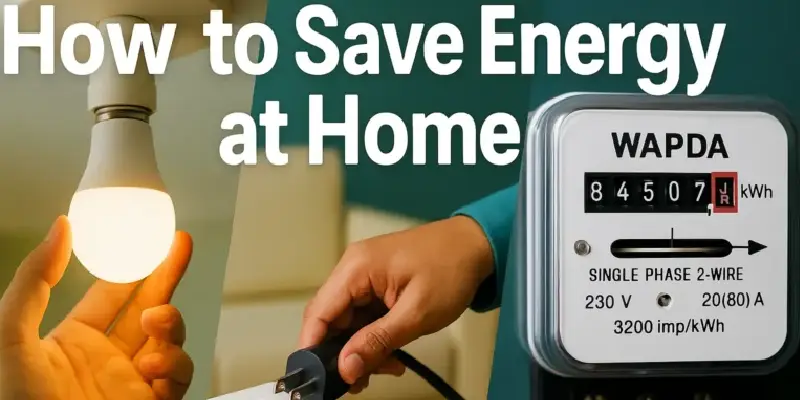
Since Electric Relief is ending, here’s practical advice for managing higher bills:
Reduce Consumption Strategically
For Air Conditioning
- Set thermostat to 24-25°C instead of 18-20°C
- Use fans along with AC to circulate cool air
- Close unused rooms and cool only occupied spaces
- Service AC units for optimal efficiency
For Major Appliances
- Run washing machines and dishwashers with full loads
- Air dry clothes instead of using dryers
- Cook multiple items together to maximize oven use
- Unplug chargers and appliances when not in use
For Lighting
- Switch to LED bulbs completely (they use 75% less electricity)
- Turn off lights in empty rooms
- Use natural daylight whenever possible
These steps won’t replace Electricity Relief, but they’ll cushion the impact.
Switch to Off Peak Hours
Many distribution companies charge lower rates for off peak consumption (typically late night/early morning). If you have Time of Use meters:
- Run heavy appliances after midnight
- Charge devices during off peak hours
- Pre-cool your home before peak hours
Install Solar Panels (Long term Solution)
With Electricity Relief gone and rates climbing, solar becomes more attractive:
Break even calculation
- 5kW solar system: Rs6-8 lakhs
- Monthly savings: Rs15,000-20,000
- Payback period: 3-4 years
Government’s net metering policy allows selling excess electricity back to grid. Without Electric Relief to rely on, solar offers permanent solution.
Apply for Subsidized Tariffs
If you qualify for protected consumer category (consuming under 200 units monthly), ensure you’re correctly classified. These consumers get continued government support even without broad Electric Relief.
Budget Adjustment
Accept reality: your monthly budget needs adjustment. The Electric Relief was temporary. Plan accordingly:
- Reduce discretionary spending
- Prioritize essential expenses
- Create emergency fund for utility bills
- Consider supplemental income if possible
What This Means for Pakistan’s Economy
Ending Electric Relief has ripple effects beyond household bills:
Inflation Impact
Higher electricity costs feed into inflation. When businesses pay more for power, they pass costs to consumers. Goods and services become more expensive.
Economists estimate ending Electric Relief could add 0.5-1% to inflation rate in August-September period.
Purchasing Power Reduction
Middle class families will have less disposable income. Money previously spent on dining out, entertainment, or savings now goes to electricity bills.
This reduces consumer spending, affecting businesses and economic growth.
Industrial Competitiveness
Pakistani exports compete globally on price. Higher energy costs make our products more expensive. Without industrial Electricity Relief:
- Textile exports might decline
- Manufacturing jobs at risk
- Trade deficit could widen
Political Consequences
Electricity Relief ending during government’s term will have political implications. Opposition will cite it as broken promise. Public sentiment may turn negative.
Next election cycle will likely see electricity costs as major campaign issue.
Comparing with Regional Countries
How does Pakistan’s electricity situation compare regionally, especially regarding Electricity Relief mechanisms?
India
India provides targeted subsidies to farmers and low-income consumers. But middle-class pays market rates. No broad Electricity Relief like Pakistan attempted.
Average rates: Lower than Pakistan for most categories.
Bangladesh
Bangladesh invested heavily in power generation. Reduced load-shedding but increased tariffs. Limited subsidies available.
They chose generation capacity over Electricity Relief different policy approach.
Sri Lanka
Sri Lanka faced economic crisis leading to no Electricity Relief availability. They had severe power cuts instead.
Pakistan’s temporary Electricity Relief was luxury compared to their situation.
Long term Solutions Beyond Temporary Electricity Relief
Pakistan needs structural reforms, not just temporary Electricity Relief packages:
Generation Mix Diversification
Reduce dependence on expensive imported fuel. Increase:
- Hydro power from existing rivers
- Solar and wind renewable energy
- Coal-based indigenous generation
Transmission Loss Reduction
Pakistan loses 15 to 20% electricity in transmission and distribution. Reducing this to 8 to 10% would make Electricity Relief unnecessary.
Theft and Non Payment Control
Billions lost annually to electricity theft and non-payment. Better enforcement would reduce need for Electricity Relief to honest consumers.
Circular Debt Resolution
Break the cycle of debt in power sector. Proper payments between all parties would stabilize tariffs, reducing need for temporary Electricity Relief measures.
Tariff Rationalization
Current tariff structure is complex and inequitable. Cross-subsidies create distortions. Honest reform better than periodic Electricity Relief announcements.
What You Should Do Now
As Electricity Relief ends, take these immediate actions:
This Week
- Check your last three bills to understand consumption patterns
- Calculate expected August bill without Electricity Relief
- Adjust budget accordingly
This Month
- Implement energy saving measures
- Consider investing in energy efficient appliances
- Research solar installation if viable
Long term
- Plan for permanently higher electricity costs
- Don’t expect new Electricity Relief programs soon
- Focus on reducing consumption rather than hoping for relief
Government’s Official Statement
The energy ministry’s position on ending Electricity Relief:
“The electricity relief package was always intended as temporary measure to assist consumers during transition period. The government absorbed significant fiscal burden to provide this relief. With improving economic indicators and IMF program requirements, continuation is not feasible at this time.”
Translation: Don’t expect Electricity Relief extension or replacement anytime soon.
Conclusion
The ending of Electricity Relief in July 2025 marks return to higher electricity costs for Pakistani consumers. The Rs7.41 per unit relief that helped families and businesses for three months is gone, and August bills will reflect this harsh reality.
Was the Electricity Relief helpful? Absolutely. Did it make summer more manageable? Yes. But it was temporary by design, and that temporary period is now over.
We’re back to facing high electricity costs without government buffer. The Electricity Relief ending reminds us that subsidies are expensive and rarely sustainable long term.
Now we must adapt. Reduce consumption, manage budgets better, and push for long term structural reforms that make future Electricity Relief packages unnecessary.
The Electricity Relief chapter is closed. How we respond individually and collectively will determine how painful the transition becomes.
Prepare your budget. Adjust your consumption. And hope that someday, instead of temporary Electricity Relief packages, we’ll have an energy sector that provides affordable, reliable power without needing government intervention.
Rising electricity bills can be a sign of deeper economic shifts, similar to concerns discussed in what happens if Pakistan defaults.
FAQs
Q1: When exactly does the Electricity Relief package end in Pakistan?
The Electricity Relief package officially ends in July 2025, with the last relief appearing in July bills; from August 2025 onwards, consumers will no longer receive the Rs7.41 per unit reduction in their electricity bills.
Q2: How much was the total Electricity Relief provided per unit?
The total Electricity Relief provided was Rs7.41 per unit for domestic consumers and Rs7.59 per unit for industrial consumers, distributed across various components including tariff reductions, petroleum adjustments, and fuel cost adjustments.
Q3: Why is the government ending the Electricity Relief program?
The Electricity Relief is ending primarily due to fiscal pressure on government, IMF program requirements for subsidy rationalization, energy sector circular debt concerns, and the unsustainable long term cost of maintaining such relief.
Q4: Will there be any new Electricity Relief package announced for August 2025?
As of July 2025, no new Electricity Relief package has been announced or indicated by the government; energy ministry sources confirm no directive for continuation beyond July, suggesting consumers should prepare for full tariff rates.
Q5: How much will my electricity bill increase after the Electricity Relief ends?
After Electricity Relief ends, bills will increase by approximately Rs7.41 per unit consumed; for a typical household using 300 units monthly, this means an additional Rs2,223 monthly or about 87% bill increase depending on consumption.
Q6: Is the Electricity Relief ending affecting industrial consumers differently?
Yes, industrial consumers benefited from Rs7.59 per unit Electricity Relief compared to Rs7.41 for domestic users; they face even higher impact with relief ending, potentially affecting production costs, export competitiveness, and employment.
Q7: Can I still get subsidized electricity rates after Electricity Relief ends?
Protected consumers using under 200 units monthly may still qualify for subsidized tariffs separate from the ending Electricity Relief package; verify your classification with your electricity distribution company to ensure proper billing category.
Q8: What was the main purpose of the Electricity Relief package when it started?
The Electricity Relief was introduced in April 2025 to fulfill PML-N’s election manifesto promise, provide relief during high inflation, help consumers manage rising energy costs during summer, and stimulate industrial production through reduced tariffs.
Q9: Are there any alternative relief mechanisms replacing the Electricity Relief?
Currently no replacement for Electricity Relief has been announced; consumers might see minor relief through negative fuel cost adjustments if fuel prices decrease, but this will be significantly less than the Rs7.41 per unit relief.
Q10: How can I reduce my electricity bill after the Electricity Relief ends?
Reduce bills by implementing energy-efficient practices like using LED bulbs, optimizing AC temperature to 24-25°C, using appliances during off-peak hours, installing solar panels long-term, and ensuring proper classification in subsidized consumer categories if eligible.
For more updates on Pakistan’s energy sector and consumer information, visit visualpakistan.com